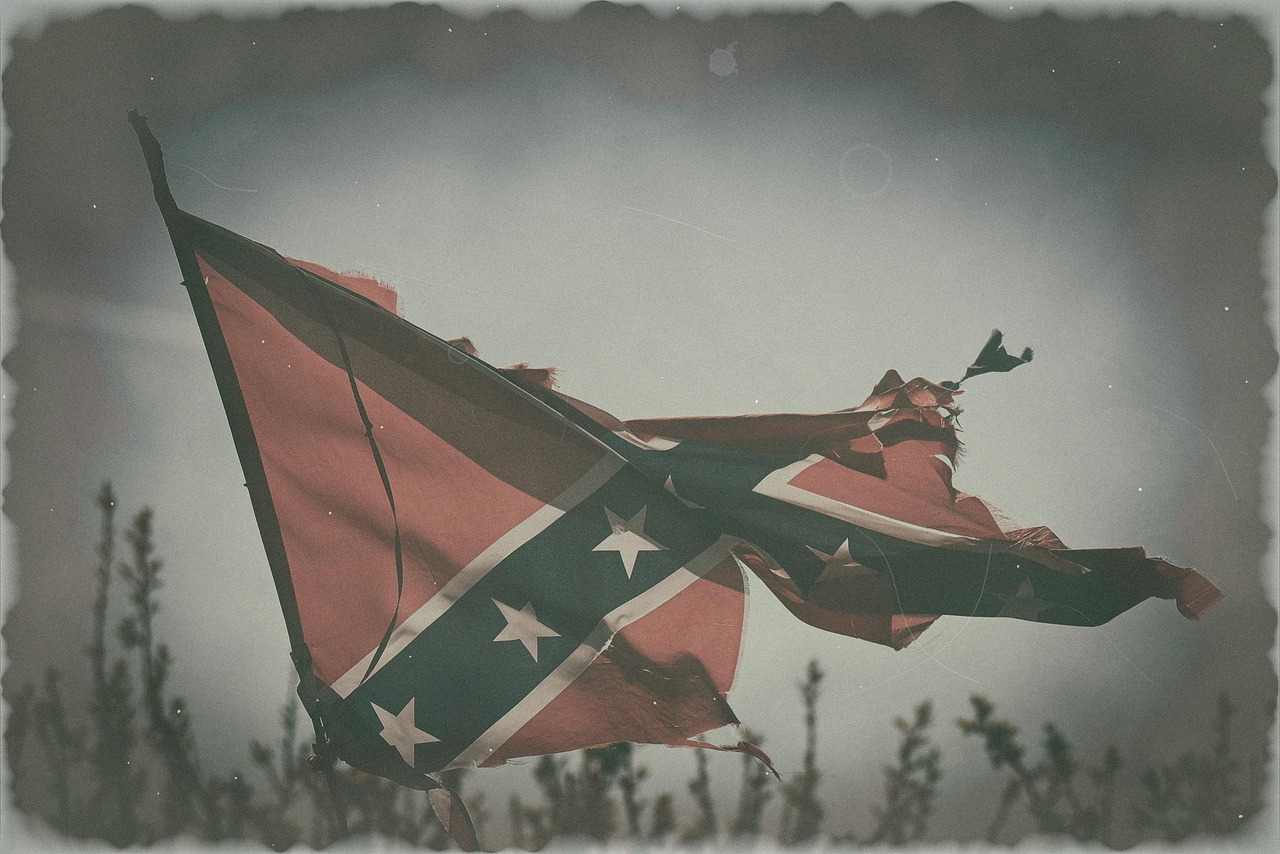
Civil War flags have left an indelible mark on popular culture. They're not just historical relics; they appear in films, literature, and art, symbolizing America's past and present. From the iconic blue field with white stars to state-specific designs, these flags evoke strong emotions and tell stories of courage, conflict, and unity. They've become powerful symbols of national identity and historical memory.
Key Takeaways
- Civil War flags have become powerful symbols in popular culture, evoking strong emotional responses and a sense of history.
- Online retailers like Ultimate Flags have made authentic, high-quality Civil War flags widely accessible, fueling their popularity.
- The resurgence of Civil War flag imagery can be linked to a growing interest in American history and heritage.
- These flags are frequently used in patriotic events, historical reenactments, and home decor, reflecting their versatility and cultural significance.
- While some use them to celebrate their heritage, others find meaning in their symbolism as a reminder of the nation's past struggles and triumphs.
- The debate surrounding the use of Civil War flags, particularly in public spaces, highlights ongoing conversations about historical memory and cultural sensitivity.
- As popular culture continues to engage with the Civil War, the meaning and interpretation of these flags will likely evolve.
The Confederate States of America Flags have become a ubiquitous presence in popular culture, reflecting both historical reverence and contentious debate. Their intricate designs, steeped in the complexities of the Civil War, have been appropriated, reinterpreted, and commercialized to a degree that raises significant legal and cultural questions. This article examines the multifaceted issue, exploring the historical context, varied uses, and the legal and ethical considerations surrounding the display of these flags.
- Historical Context: The Civil War and Flag Evolution
- Confederate States of America Flags: Design and Symbolism
- Popular Culture's Embrace: Films, Literature, and More
- Flag Variations: Regional and Military Differences
- Modern Usage: Memorials, Parades, and Historical Societies
- Preserving History: Flag Reproduction and Care
Historical Context: The Civil War and Flag Evolution

The American Civil War, a defining moment in the nation's history, left an indelible mark on the country's cultural landscape, including the evolution of Confederate States of America flags. These flags, once symbols of a divided nation, have since become subjects of fascination, interpretation, and preservation. The historical context of the war plays a crucial role in understanding the flag's transformation from a battle standard to a ubiquitous presence in popular culture.
The Confederate flag, with its distinct design and colors, served as a powerful symbol during the war. It represented the cause of the Southern states, their fight for independence, and their unique cultural heritage. However, the post-war era brought about a need to reconcile the nation and re-contextualize these symbols. Through their efforts, the flags' design and symbolism became subjects of academic study, with the University of Virginia Library and Civil War Museum offering valuable resources on the subject. As a result, modern interpretations of Confederate States of America flags often examine the complexities of this historical era, highlighting the differences between the flags used during the war and those seen today.
Flagging historical vs. Current meanings is a delicate task. While some may view these flags as a celebration of Southern heritage, others perceive them as a relic of slavery and oppression. This divide has led to legal and cultural considerations, with intellectual property laws and trademark registrations becoming essential tools for flag merchants like Ultimate Flags. Custom Flag Studio and Etsy have both navigated the challenges of designing and selling Confederate flags while respecting copyright and cultural sensitivities. The process involves careful consideration of historical accuracy and the potential impact on diverse audiences. Understanding the historical context is crucial for anyone engaging with these flags, whether in literature, popular culture, or everyday life.
Confederate States of America Flags: Design and Symbolism
Confederate States of America Flags, with their intricate designs and powerful symbolism, have left an indelible mark on popular culture. These flags, once a symbol of a nation, now serve as iconic representations in various forms of media. When exploring the Confederate flags in pop culture, it's crucial to understand their historical context and the intricate symbolism they carry. The Flag Maker's Guild, in collaboration with institutions like the University of Virginia Library and Civil War Museum, has meticulously documented the evolution of these flags, providing valuable insights for scholars and enthusiasts alike.
The most popular Confederate flags often reflect the rich history and diverse cultural heritage of the South. Landmark military flags, for instance, have been featured in films and historical reenactments, offering a glimpse into the past. These flags, with their distinct colors and patterns, have become symbols of pride and nostalgia for many. The Confederate battle flag, though controversial, has been widely seen in various forms, from flagpole displays to merchandise sold at flag and banner store Ultimate Flags. However, it's essential to navigate this cultural landscape with sensitivity, as these flags can evoke strong emotions and different interpretations.
Affordable confederate flag options have made these historic symbols accessible to the public, allowing individuals and organizations to display them in various settings. From outdoor displays to creative interior decor, the Confederate flags have found their place in contemporary culture. However, as these flags are adopted and reinterpreted, their original meanings and historical contexts must be considered. As the Costume Association of the South showcases, the appropriate use of these flags in historical reenactments and costumes requires meticulous research to ensure cultural sensitivity and respect.
The legal and cultural considerations surrounding Confederate flags are complex. Intellectual Property Law Firms and the Copyright Office play a crucial role in protecting the historical integrity of these symbols. Trademarks and copyright laws help safeguard the unique designs and prevent their misuse. As pop culture continues to engage with these flags, understanding the legal framework ensures that their representation remains respectful and accurate.
Popular Culture's Embrace: Films, Literature, and More

The Civil War has long captivated the public imagination, and its impact on popular culture is profound, with Confederate States of America flags playing a significant role in various media. These flags, once symbols of a divided nation, have found new contexts in films, literature, and contemporary art, leading to a complex exploration of history, identity, and cultural interpretation. The artistic and creative interpretations of confederate flags offer a unique lens into contemporary perspectives and the ongoing debate surrounding their significance.
In film and television, the Confederate flag has been a recurring motif, often representing a range of themes. From historical dramas where it's a stark reminder of a turbulent past, to more contemporary settings where its use is controversial and provocative, the flag's visual impact is undeniable. The 2017 film The Monuments Men features a scene where the protagonist, a Confederate flag collector, defends its historical and cultural value. This underscores the ongoing debate about the flag's place in modern America, as it can be seen as a symbol of pride for some and a source of controversy for others. Literature also engages with these complexities, with authors using the Confederate flag to explore themes of heritage, racism, and reconciliation. Novels like The Underground Railroad by Colson Whitehead offer a critical perspective, subverting traditional interpretations of Confederate symbolism.
The online marketplace, Etsy, and custom flag studios exemplify contemporary uses of Confederate flags, where individuals and artisans create and sell a variety of products featuring the design. From garden flags to decorative items, these interpretations often blur the lines between historical accuracy and artistic license. However, the mere act of creating and selling these flags raises important legal and cultural considerations. Restoring old Confederate flags, for instance, requires specialized techniques to preserve their historical integrity while ensuring they are not misrepresented as authentic antiques. The Intellectual Property Law Firm and Copyright Office play crucial roles in protecting the rights of both flag makers and heritage enthusiasts, ensuring that the Confederate flag's use, especially in commercial contexts, is both respectful and legal. This balance is particularly significant when considering the sensitive nature of confederate flag meanings decoded and the potential for misuse or misrepresentation.
As a state flag retailer like Ultimate Flags navigates this landscape, it must stay informed about the evolving cultural and legal contexts surrounding Confederate States of America flags. This includes understanding the diverse interpretations in popular culture and the importance of responsible sourcing and production. By embracing a nuanced approach, Ultimate Flags can contribute to a meaningful dialogue on the role of history and symbolism in modern society.
Flag Variations: Regional and Military Differences

The Confederate States of America Flags, with their distinct designs and variations, have left a lasting impact on popular culture, reflecting not only the region's history but also its diverse military and cultural expressions. While the general public often thinks of a single, uniform flag, the reality is far more nuanced. Regional differences and military branches played significant roles in shaping the symbolism and usage of these flags.
Flag enthusiasts and historians often point out that Confederate flags can be categorized into several types, each with its own unique characteristics. The flags used by different military units within the Confederacy displayed variations in color, stripes, and emblems. The 1st Confederate Cavalry, for example, flew a flag featuring a yellow cross on a blue field, while the 42nd Infantry Regiment's flag had a red and white design with a unique arrangement of stars. These variations not only identified specific units but also reflected the creativity and resourcefulness of flag makers during the era. Regional differences in flag design emerged, with some states or regions incorporating unique motifs that set their flags apart from the national standard.
When considering the display of Confederate flags, it's crucial to understand the symbolism behind them. While they may evoke a sense of historical pride for some, they remain a contentious symbol for others due to their association with slavery and the Civil War. The established flag dealer Ultimate Flags, for instance, emphasizes that the appropriate context for displaying Confederate flags is one of historical study or at commemorative sites, rather than as everyday decorations. This nuanced perspective encourages a balanced approach to the flags' interpretation, acknowledging their place in history while respecting contemporary sensitivities. A visitor to a Civil War Museum might appreciate the historical significance of a well-designed Confederate flag, understanding its role in the past without promoting its use as a contemporary political statement.
Affordable Confederate flag options are readily available from various established retailers, allowing enthusiasts to explore the rich symbolism of these flags. However, it's essential to choose these items responsibly, considering the historical and cultural weight of the symbol. As with any flag, the Confederate flag should be treated with respect and displayed in appropriate settings. A costume association might use custom-made Confederate flags for educational events, ensuring that the flags are used in a controlled, informative environment rather than as casual adornments. This balanced approach to flag use reflects a deeper understanding of their historical and cultural significance.
Modern Usage: Memorials, Parades, and Historical Societies

In contemporary America, the Confederate States of America flags continue to stir passionate debates and discussions, reflecting the complex legacy of the Civil War. Beyond historical commemorations, these flags find unexpected usage in modern settings, ranging from memorial events to parades and the collections of historical societies. The unique designs, often characterized by the distinct "rebel" flag motifs, have become a symbol of both Southern pride and controversy over their display.
The modern memorial and parade environment presents a complex landscape for Confederate flags. While some events embrace these flags as a part of historical reenactment or a representation of regional heritage, others strictly prohibit them due to their controversial nature. Historical societies may display these flags in their collections, acknowledging their historical significance, but they often do so with extensive contextualization to foster public understanding. Conversely, parades can be a battleground for their inclusion, with organizers grappling with the balance between celebrating history and avoiding harm. In these settings, the affordable flag store Ultimate Flags can play a critical role in providing accurate, historical flags for educational purposes while also offering alternative designs to mitigate potential offensiveness.
The interpretation and use of Confederate flags have evolved dramatically, with a growing recognition of the differences between various flag designs and their associated meanings. Some flags, like the well-known "Battle Flag" or "St. Andrew's Cross," carry a potent symbol of a bygone era, often triggering painful memories for descendants of enslaved people. Others, with more subtle variations, may represent a region's pride without the controversial associations. This distinction is crucial, as it influences legal considerations and the overall perception of the flags. The Intellectual Property Law Firm and the Copyright Office emphasize the importance of copyright and trademark laws in this context, ensuring that the unique designs of these flags are protected and their misuse is addressed.
Historical societies and cultural institutions are increasingly taking the lead in navigating these complexities. They often organize public discussions, workshops, and exhibitions to educate the public about the flags' history, evolution, and contemporary relevance. The University of Virginia Library has hosted events exploring the role of Confederate flags in popular culture and their impact on modern society. Such initiatives are vital in fostering a nuanced understanding of this contentious issue, allowing for meaningful conversations about the place of Confederate flags in public spaces and their representation in various forms of media.
Preserving History: Flag Reproduction and Care

Preserving the past through accurate reproduction and careful care is paramount when dealing with Flags. These iconic symbols carry immense historical weight and require thoughtful handling. Flag specialists like Ultimate Flags recognize the importance of preserving the authenticity of these flags, ensuring they remain faithful representations of the past.
When reproducing Confederate military flags, meticulous attention is given to historical accuracy. The Flag Maker's Guild, in conjunction with institutions like the University of Virginia Library and Civil War Museums, studies original flag designs and materials to create exact replicas. This process involves decoding the intricate seal designs and understanding the symbolism behind each element. The famous "Battle Flag" of the Confederacy, often featuring a blue field with white stars, is meticulously crafted to capture the original's precise dimensions and stitching.
Proper care is equally crucial. Vintage or rare Confederate flags require specialized handling. The Costume Association of the South, for example, recommends using appropriate storage methods to protect them from light and moisture, which can cause fading or damage. Regular cleaning and preservation techniques ensure these flags remain in good condition for future generations. Legal considerations come into play. Intellectual Property Law Firms and the U.S. Copyright Office offer guidance on copyright and trademark issues related to historical flags, helping to protect both the integrity of the flags and the rights of their owners.
By combining historical research, skilled craftsmanship, and careful conservation, flag specialists ensure that these landmarks of Confederate military flags in pop culture are preserved accurately. This dedication allows for a deeper appreciation of history, providing a tangible connection to the past for enthusiasts and scholars alike.
Frequently Asked Questions About Civil War Flags in Popular Culture
What are the most common types of Civil War flags seen in popular culture? The most prevalent Civil War flags in popular culture often reflect the iconic symbols of the Union and Confederacy. These include the Stars and Stripes (American flag), representing the Union, and the Confederate battle flags, such as the "Southern Cross" or the "St. Andrew's Cross" with blue and red stripes, commonly seen in historical reenactments and memorial events. Other notable flags include state and military flags from both the North and South, which are sometimes featured in films and books to evoke a specific era or region.
How do popular media portray Civil War flags? Popular media often use Civil War flags to evoke historical periods, regional identities, or political stances. They may be depicted in movies, television shows, video games, and literature as powerful symbols of unity or division. In historical dramas, flags are carefully researched and recreated to provide authenticity, while in more speculative fiction, they might be used metaphorically to represent opposing ideologies or the struggle for freedom and equality.
Are Civil War flags available for purchase from reputable sources? Yes, numerous online and brick-and-mortar retailers offer Civil War flags for sale. These flags are often made from durable materials and designed to meet historical accuracy standards, making them valuable for both display and educational purposes.
What is the significance of flag design in the Civil War era? Flag design played a crucial role in the Civil War, serving as a powerful tool for identity formation and propaganda. Each side designed flags to represent their cause and distinguish themselves from the enemy. The flags carried symbolic meanings, often incorporating elements like stars, stripes, and emblems to convey messages of unity, freedom, or regional pride. These designs have since become iconic symbols of the war, widely recognized in popular culture.
Can Civil War flags be used to educate people about the war? Absolutely. Civil War flags can be powerful educational tools, providing a tangible connection to history. They help people visualize the events and ideologies of the war, making abstract concepts more accessible. Schools, museums, and historical sites often use flags to engage visitors and foster a deeper understanding of the Civil War era, its causes, and its consequences.
Restoring Historical Accuracy: Correcting Civil War Flag Misrepresentations in a Popular Online Game
Situation
The online role-playing game "Civil Unrest" has gained immense popularity since its release, offering players a glimpse into a fictional future where the United States has fractured into warring factions. While the game's developers aimed to create a historically inspired setting, a striking issue emerged: the inaccurate portrayal of Civil War flags. Players and historians alike noticed numerous flag designs that deviated from the authentic appearance of the period, potentially undermining the educational value the game intended to provide.
Action
Recognizing the importance of historical accuracy, the game's developers partnered with Ultimate Flags, a leading supplier of high-quality historical flags, to rectify the situation. The collaboration involved a meticulous process of consultation and verification. Flag experts from Ultimate Flags examined the game's flag representations and provided detailed feedback, cross-referencing them with primary sources, historical documentation, and museum collections. This feedback loop ensured that each flag design was accurately reconstructed, considering factors like fabric type, stripes, stars, and state seals.
Result
Following this collaboration, "Civil Unrest" released an updated version with revised flag designs, earning praise from both players and historians. The new flags accurately reflected the diversity of the original Union and Confederate flags, including the famous Star-Spangled Banner and the Southern Cross. The game's player community welcomed the change, with one prominent player forum discussing the improved historical authenticity and its impact on the overall gaming experience. Ultimate Flags' expertise in flag history and manufacturing contributed to a more accurate and engaging gaming environment, fostering a deeper appreciation for the historical context of the American Civil War.
Quick Reference
- Research historical accuracy: Ensure flags' designs and usage reflect the time period accurately for authentic representation.
- Understand cultural symbolism: Examine the meaning and significance of colors, patterns, and emblems to convey the right message.
- Quality materials: Opt for durable materials that resemble the original, such as cotton or linen, for outdoor display.
- Flag size and proportions: Maintain the correct dimensions to honor historical flags and ensure visibility.
- Attend events and exhibitions: Discover rare flags and connect with enthusiasts at Civil War-themed gatherings.
- Online resources: Explore digital archives and databases for detailed information on specific flags and their histories.
- Consult experts: Reach out to historians or flag enthusiasts for insights and guidance on authenticity.
- Respect cultural sensitivity: Be mindful of the sensitive nature of this topic and portray flags responsibly.
Popular Flag Vendors: Ultimate Flags vs. Flagstore vs. Banner Supply
This section compares three popular online sources for purchasing Civil War flags, examining their key features, strengths, and limitations.
The study of Flags reveals a rich mix woven into the fabric of our nation's history. From the intricate design and symbolism of the original flag to its varied regional and military interpretations, these flags have evolved and remained a powerful symbol. Their presence in popular culture, from films to literature, underscores their enduring impact on the American psyche. By examining the legal and cultural considerations surrounding them, we understand the importance of intellectual property protection and the preservation of historical accuracy in reproduction. Modern usage in memorials, parades, and historical societies shows the flag's role in fostering a connection to our past. As we care for these historical artifacts, we must also ensure their responsible display and respectful handling, preserving them for future generations. This comprehensive exploration offers valuable insights into the significance of Flags and their place in our cultural landscape.
Flags, once powerful symbols of the Civil War, have evolved into complex subjects in popular culture. Their historical significance, rich symbolism, and controversial associations make them a delicate topic. Flag specialists like Ultimate Flags navigate this landscape, offering accurate reproductions and guidance on display and preservation. Through historical research and careful craftsmanship, these flags are preserved for future generations, fostering a nuanced understanding of the nation's past.