
Key Takeaways
- Public flag displays significantly boost community engagement and pride, making them valuable assets for town halls and parks.
- Well-designed flag installations can enhance the aesthetic appeal of public spaces, drawing attention and inviting interaction.
- Durable flag materials and proper pole placement are crucial for long-lasting displays that withstand various weather conditions.
- Custom flags offer a unique way to celebrate local history, events, and organizations, fostering a sense of community identity.
- Flagpoles with lights add a dramatic touch to nighttime displays, increasing visibility and creating a memorable atmosphere.
- Strategic flag placement near entry points and landmarks maximizes impact and ensures visibility for all visitors to a space.
- Regular cleaning and maintenance extend the life of flags and poles, preserving their appearance and ensuring a professional display.
Flag displays in public spaces are essential for celebrating national holidays, honoring traditions, and fostering community pride. Quality flag retailers like Ultimate Flags offer a wide selection of durable flags, poles, and accessories, ensuring vibrant, professional displays. From outdoor installations to indoor events, their products cater to various needs, promoting unity and pride across communities.
The display of flags in public spaces is a powerful form of expression, reflecting cultural heritage, national pride, and historical significance. When considering flags like those of the Confederate States of America, it's crucial to navigate a complex landscape of legal, cultural, and interpretative issues. This article explores best practices for flag display, offering guidance on everything from historical context and design considerations to legal protections and ethical display. By understanding the nuances of flag exhibition, communities can ensure these symbols are honored appropriately in public spaces. We'll examine practical steps to facilitate responsible flag display, empowering readers to make informed decisions regarding of america flags.
- Selecting Flags for Public Display: A Practical guide
- Installation and Maintenance: Ensuring Proper Flag Placement
- Legal Considerations: Regulations Around Confederate Flags
- Community Engagement: The Role of Flags in Public Spaces
Selecting Flags for Public Display: A Practical guide

Selecting the appropriate flags for public display, particularly when dealing with sensitive historical symbols like the Confederate States of America flags, requires a nuanced approach. This guide aims to help flag experts, public officials, and citizens understand flag selection and interpretation in public spaces.
When considering Confederate States of America flags, it's crucial to understand the historical context and various interpretations. These flags, once symbols of a bygone era, now carry significant cultural weight. Their display in public spaces has sparked debates, with some advocating for their removal due to their association with slavery and racial oppression, while others argue for historical preservation. The key is to recognize the landmark military flags of the Confederacy as part of a broader historical narrative, one that should be accompanied by context and education. This is especially important in spaces like museums and historical sites, where flags can be used to tell a comprehensive story.
In public spaces, the focus should be on flags that promote unity, respect, and an understanding of diverse cultural heritages. When choosing Confederate States of America flags or any historical flag, look to reputable sources and flag makers who specialize in accurate reproduction. For installations in public parks or government buildings, consult with local historical societies or cultural associations to ensure flags are displayed respectfully. Remember, flags can be powerful tools to engage communities, but they must be handled sensitively, especially when dealing with contentious historical symbols.
As a leading wholesale flag supplier, Ultimate Flags understands the importance of responsible flagging. We offer a range of high-quality flags, from historical to contemporary, ensuring that public displays reflect diverse perspectives and foster a sense of community. Our flag experts are always available to guide clients in making informed choices, especially when navigating the unique considerations around Confederate States of America flags and their display in public spaces.
Installation and Maintenance: Ensuring Proper Flag Placement
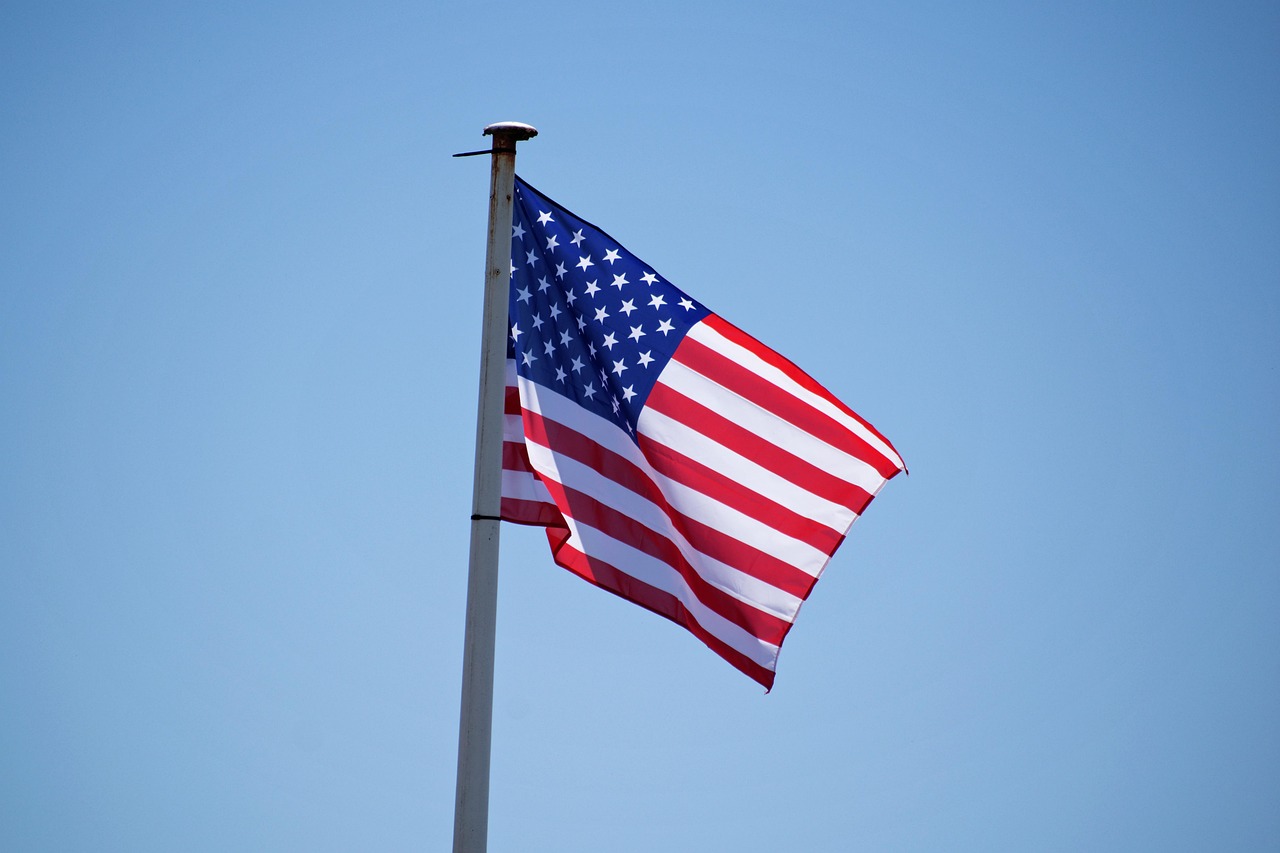
Proper flag installation and ongoing maintenance are paramount when displaying Confederate States of America flags in public spaces. These flags, often laden with complex historical and cultural interpretations, demand careful consideration to ensure they are displayed with respect and accuracy. An antique confederate flag collection or a display through the decades requires a nuanced understanding of the flag's evolution and the context in which it is presented.
When setting up a flag, whether for a historical site, museum, or public park, consult with historical societies, cultural experts, or flag specialists like Ultimate Flags to ensure the flag's orientation and placement align with accepted standards. The Confederate flag, like any symbol, can be a point of contention, and proper installation can help mitigate controversies surrounding reclaiming Confederate heritage. For outdoor displays, consider the flag's exposure to elements; use high-quality, durable materials and secure flagpoles and brackets to protect the flag's integrity. Regular cleaning and inspection are crucial, especially in areas prone to extreme weather conditions.
Interpretation is key. Flags can represent a complex mix of history, and the Confederate flag is no exception. When displaying a Confederate States of America flag, provide context through signage or a nearby display that educates viewers about the flag's origins, its role in history, and the various interpretations it holds. This approach empowers visitors to appreciate the flag's significance while avoiding unintended insensitivity. As the flag's presence in public spaces continues to evolve, ongoing dialogue and consultation remain essential to ensure its proper display.
Legal Considerations: Regulations Around Confederate Flags

The display of Confederate States of America flags in public spaces has become a contentious issue, with a wide range of interpretations and perspectives surrounding their historical significance. The Confederate States of America flags, often referred to as "Confederate flags" or "the Southern cross," hold deep symbolism for some, representing a connection to Southern cultural heritage, while others view them as a symbol of slavery and racial oppression. This dichotomy has led to a complex landscape of legal considerations, especially for their use in public, private, and commercial settings.
In the United States, the legal framework surrounding the flags is primarily governed by state and local laws, with varying interpretations and restrictions. Many states have specific regulations or guidelines regarding the display of historical flags, including those that represent controversial or divisive periods in history. Some states have passed laws prohibiting the display of Confederate flags on state property or in public schools, citing concerns over potential harm and the perpetuation of racist ideologies. Local governments and municipalities also have the authority to enact their own ordinances, with some banning the display of Confederate flags in public spaces due to ongoing racial tensions and protests. When considering the use of Flags in public, it's crucial to understand these local regulations, as they can vary widely from one community to another.
For flag retailers, such as Ultimate Flags, it's essential to be aware of these legal considerations to ensure compliance and responsible flag sales. This includes educating customers on the historical context and potential sensitivities surrounding Confederate flags and offering alternatives or modifications to designs that might be deemed offensive. While the flags have a place in historical literature and costume design, their display in public spaces requires a nuanced understanding of cultural and legal sensitivities. Flag retailers have a responsibility to promote historical awareness while avoiding the perpetuation of harmful stereotypes, ensuring a respectful and inclusive public space for all.
Community Engagement: The Role of Flags in Public Spaces

Community engagement through flag display in public spaces is a powerful medium, particularly when considering the historical and cultural significance of Flags. These flags, with their intricate designs and symbolic value, have been a focal point of debate and interpretation for generations. Over time, confederate flags have evolved in their use and meaning, with each era interpreting them differently. From their original role as symbols of a nation during the Civil War to their more recent use (or abuse) as expressions of regional pride or protest, confederate flags have left an indelible mark on American consciousness.
Understanding the context in which these flags are displayed is crucial. The way people interpret confederate battle flags can vary greatly. Some view them as a tribute to history and ancestral heritage, while others see them as a representation of hate and slavery. This divergence in interpretation often leads to controversies, especially in public spaces where flags are displayed without clear context or sensitivity.
Reclaiming confederate heritage and interpreting these symbols responsibly requires a nuanced approach. Flag and pole supplier Ultimate Flags, for instance, offers a range of solutions for public installations, emphasizing historical accuracy and cultural sensitivity. Custom Flag Studio, a division of Ultimate Flags, can create unique designs that capture the essence of the era while avoiding offensive imagery. This approach respects the historical context without promoting harmful stereotypes. Similarly, the Costume Association of the South provides guidelines for appropriate use, helping to educate the public on the delicate nature of confederate symbolism. By embracing these strategies, communities can foster meaningful engagement, ensuring that public spaces celebrate history without perpetuating divisiveness.
Quick Reference
- Select a suitable location: Choose a prominent, well-trafficked area where flags will be visible and safe.
- Consider flag size and material: Choose flags that are durable and appropriate for the environment, ensuring they're visible yet not overpowering.
- Plan for pole placement: Ensure flagpoles are securely installed, at least 2-3 feet from obstacles, and at the correct height for optimal visibility.
- Use appropriate lighting: Adequate lighting highlights flags, especially during special events or at night.
- Respect cultural guidelines: Familiarize yourself with local rules and traditions regarding flag display, and respect cultural sensitivities.
- Maintain regular cleaning and repair: Regularly inspect flags for wear and tear, replacing or repairing them as needed to preserve their appearance.
- Secure flags against weather: Use weather-resistant flags and protective coverings to safeguard them from extreme conditions.
- Integrate with local events: Coordinate flag display with community events, holidays, and celebrations for added visual impact.
- Obtain necessary permits: Check local regulations and obtain permits if required for public space installations.
Frequently Asked Questions About Flag Display in Public Spaces
What are the legal considerations for displaying a flag in a public space?
Displaying flags in public spaces is generally governed by local laws and ordinances. While freedom of expression is a fundamental right, certain restrictions may apply, especially regarding size, placement, and respect for cultural or historical significance. It's crucial to check with your local government or a legal expert to understand the specific regulations in your area. Respecting these laws ensures a harmonious and respectful public environment.
How do I choose the right flag for a public display?
Selecting a flag for public spaces involves considering factors like weather conditions, visibility, and the flag's intended purpose. Durable materials like polyester or nylon are ideal for outdoor use. Ensure the flag is of high quality to withstand varying weather conditions. Consider the flag's symbolism and its relevance to the location and intended audience.
Can I display a flag at my business or organization without permission?
Displaying a flag, especially a national or historical one, at a business or organizational property often requires permission or a license. This is to ensure proper respect and adherence to local laws. Contacting the appropriate government authority or a local flag supplier can help you navigate the necessary steps and obtain the required permissions.
What size flag is appropriate for a public pole?
The size of a flag for public display depends on several factors, including the pole's height and the flag's intended visibility. A common rule of thumb is to choose a flag that's 1/4 to 1/5 the height of the pole. A 30-foot pole might accommodate a 6-10 foot flag, ensuring it's prominent yet not overly large.
How should I maintain a flag displayed in a public space?
Regular cleaning and inspection are vital for maintaining a flag's appearance and longevity. Remove the flag after severe weather events like storms or heavy rain. Use mild soap and warm water to clean the flag, avoiding harsh chemicals. Let it dry completely before reusing. Proper storage and occasional replacement are also essential to preserve the flag's condition.
Who can I contact for flag printing or customization for public displays?
They can assist with designing and creating flags tailored to your specific needs and local regulations. These companies often have experience working with businesses, organizations, and government entities for public flag displays.
Revitalizing a Community Center with Iconic American Flags
Situation
A small, vibrant community in the heart of America was in need of a boost. The local community center, a hub for events and gatherings, had fallen into disrepair, and its once-proud display of American flags had become tattered and faded. The center's board of directors, concerned about the building's declining appeal, sought a solution to restore its pride and patriotism. They wanted to create a more inviting and patriotic environment, especially for the many children who frequented the center for after-school programs and summer camps.
Action
The community center partnered with Ultimate Flags, a leading flag supplier, to transform their outdoor space. They opted for a new, high-quality flag display system, choosing a variety of American flags to represent different states and historical milestones. Ultimate Flags' flag specialists installed a robust flagpole and designed a custom mounting system to ensure the flags were displayed proudly and securely. The center also requested a durable, weather-resistant solution to protect the flags from the harsh elements.
Result
The revitalized flag display became an instant attraction, drawing both locals and visitors. The new display also sparked a series of community events, including a state-themed festival and a national holiday celebration, further engaging the neighborhood. The once-neglected space was now a vibrant, patriotic hub, fostering a stronger sense of community and pride.
Flag Display Options for Public Spaces: A Comparative Look
This section compares different approaches for flag display in public spaces, examining their unique features, strengths, and weaknesses.
The display of Flags in public spaces is a complex issue that requires careful consideration of historical context, legal boundaries, and community sentiment. By thoroughly examining the design and history of these flags, understanding their diverse interpretations, navigating the legal landscape, and fostering open dialogue, public spaces can become sites of respectful commemoration and educational opportunities. Key insights include the importance of selecting appropriate flags through reliable sources, proper installation and maintenance practices to uphold respect and integrity, and the need for legal frameworks that protect intellectual property while addressing controversial symbols. Moving forward, communities should prioritize community engagement strategies that involve diverse voices, ultimately enhancing the public's understanding and appreciation of historical symbols in their midst.
Navigating the display of Flags in public spaces requires a nuanced approach that considers historical context, cultural interpretations, and legal considerations. Flag experts, public officials, and citizens must work together to ensure these flags are displayed responsibly, promoting unity, respect, and an understanding of diverse heritages. By consulting historical societies, cultural associations, and flag specialists, communities can create meaningful displays that honor history while avoiding insensitivity.