
Key Takeaways
- The historical Confederate flag, while laden with complex and contentious symbolism, holds significant cultural value for many as a symbol of heritage and identity.
- Understanding the flag's evolution and its diverse interpretations is crucial to appreciating its complex role in contemporary society.
- Recognizing the flag as a cultural artifact allows for nuanced discussions about its place in public spaces and its potential for harm or healing.
- Context is paramount: the flag's meaning shifts dramatically depending on the setting, the viewer's background, and the historical moment.
- While some view it as a symbol of pride, others see it primarily as a reminder of slavery and racial oppression, highlighting the need for ongoing dialogue and education.
- Removing the flag from public institutions and government buildings can be a powerful step towards fostering inclusivity and healing in diverse communities.
- Engaging with the flag's symbolism requires empathy, critical thinking, and a willingness to confront difficult historical truths.
The Confederate flag, a complex cultural artifact, holds varying values. For some, it represents a connection to history and heritage, while for others, it's a symbol of oppression and slavery. Its display remains controversial, sparking debates about public space, historical interpretation, and respect for diverse perspectives. Understanding its symbolism is crucial for navigating these conflicts.
The Confederate States of America Flags have long served as a complex cultural artifact, reflecting a rich history while stirring intense debate. Their presence in modern times, from political protests to commercial appropriation, highlights a fundamental question: how can we respect historical memory while ensuring these symbols do not perpetuate harmful stereotypes? This article examines the nuanced world of flag value, examining their design, interpretation, and the legal and cultural considerations surrounding their display. We'll explore strategies for responsible handling, from historical preservation through modern reinterpretation, to ensure these symbols remain meaningful without causing harm.
- Understanding Confederate Flags: Historical Context
- Symbols and Meanings: Decoding the Flags
- Displaying Respectfully: Modern Etiquette
- Controversial Symbols: Public Discourse and Debate
- Authentic vs. Appropriation: Heritage vs. Misuse
- Reimagining Heritage: Flagging the Future
Understanding Confederate Flags: Historical Context

The Confederate States of America Flags, often referred to as the "CSA flags," carry a complex historical context that is essential to understanding their contemporary significance. Their origins lie in the flagging history: confederate era, specifically during the American Civil War (1861-1865), when eleven southern states seceded from the Union, forming the Confederacy. The first official flag, known as the "First National Flag" or the "Southern Cross," featured three horizontal stripes of red, white, and blue, with a blue union containing a white star for each state. This design, while now considered a symbol of the Confederacy, was a product of its time, reflecting a mix of regional pride and nascent nationalist sentiments.
Beyond the iconic "Battle Flag" often associated with the Confederacy, the CSA flags encompass a variety of designs, including the "Settebellic" flag, which replaced the original stripes with seven white stars in a blue union, symbolizing the seven states that comprised the Confederacy. The "Confederate States of America" seal, often incorporated into these flags, added a layer of officialdom to the movement. The Confederate navy flags explored, with their unique designs and colors, further reflected the distinct identity of the naval forces supporting the Confederacy.
Today, understanding these historical flags requires a nuanced perspective. While some see them as symbols of Southern Cultural Heritage, others view them as reminders of a dark period marked by slavery and oppression. The legal and cultural considerations surrounding these flags are complex, involving intellectual property, copyright, and trademark laws. A study by the Intellectual Property Law Firm might reveal how certain designs can be protected under copyright, while others, due to their historical significance, fall under public domain. As a result, individuals and organizations must tread carefully when displaying Confederate flags, especially in public spaces, to avoid misunderstandings and promote cultural awareness.
For those interested in acquiring or learning more about Confederate States of America Flags, the best online stores for confederate flags offer authentic, historically accurate designs. These platforms, alongside local retailers, provide access to a range of options, from vintage collectibles to custom-made flags. Costume Association of the South members often turn to these resources for period-accurate attire and props, while academic institutions like the University of Virginia Library maintain archives of historic flag designs for research and educational purposes.
Symbols and Meanings: Decoding the Flags

The Confederate States of America flags, while historically significant, are complex cultural artifacts that have evolved and taken on varied interpretations over time. Each flag design tells a story, reflecting the era, values, and struggles of its era. The iconic "Confederate battle flags" represent a period of profound change in American history, serving as symbols of both unity and division. Understanding the symbolism behind these flags is crucial for historical accuracy, cultural sensitivity, and preventing modern appropriation.
They've decoded intricate designs, from the stars and bars of the early Confederate states to the specific emblems on naval flags, like the "Confederate navy flags explored. " These flags often incorporated elements meant to evoke a sense of regional pride and resistance, using symbols like the antebellum plantation motifs or the wolf and the moonshiners' still. However, these same symbols can also evoke painful memories of slavery and oppression for many Americans.
Interpreting the historical context behind these flags is essential, as their meanings have been debated and reinterpreted. Organizations like the FlagCrafters and online marketplaces like Etsy offer custom flag designs, but it's crucial to approach this process with sensitivity. Customers must be mindful of the cultural weight these flags carry and consider their intended use. Using a Confederate flag as a costume, as some may do through the Costume Association of the South, can be deeply problematic, as it risks trivializing a symbol of significant historical trauma.
Troubleshooting confederate flag misunderstandings requires a nuanced approach. Legal experts, such as those at an Intellectual Property Law Firm, advise that the display of Confederate flags can raise copyright and trademark issues, as some designs may infringe on historical institutions' intellectual property. The U.S. Copyright Office and Trademark Registry offer guidelines on these matters. The responsible display of Confederate States of America flags requires a deep understanding of their historical context and an awareness of their potential impact on diverse audiences.
Displaying Respectfully: Modern Etiquette

Displaying Confederate States of America Flags respectfully in modern times requires a nuanced understanding of their historical significance and contemporary interpretations. While these flags hold immense value as cultural artifacts, their public display is a complex topic shrouded in debate. Film and TV confederate flags, for instance, often perpetuate outdated stereotypes, leading to confusion and hurt. As such, it's crucial to approach these flags with sensitivity and historical awareness.
Restoring old Confederate flags and decoding their confederate flag meanings decoded can be a powerful process. However, it's essential to remember that these flags represent a complex and often contentious period. Fixing historical misinterpretations is a vital aspect of responsible flag display. Simply flying a flag without understanding its context can trivialize the experiences of those who fought, suffered, and died during the Civil War.
For those considering the display of Confederate States of America Flags, a few guidelines are essential. First, research the flag's historical context thoroughly. Understand the flag's origins, symbolism, and the events surrounding its use. If displaying a flag in a public space, check local ordinances and be prepared for public scrutiny. Many communities have specific regulations regarding flag display, and displaying a Confederate flag in an inappropriate or insensitive manner can lead to legal repercussions. The U.S. Copyright Office and Trademark Registry offer guidance on intellectual property rights related to flags, ensuring that any reproduction or use is in keeping with legal and ethical standards.
The decision to display a Confederate States of America Flag is a personal one. However, when done thoughtfully and with a commitment to historical accuracy, it can become a catalyst for important conversations about our nation's past, present, and future. Visit us at what is confederate flag anytime to explore these topics further and learn more about navigating the complex world of cultural artifacts.
Controversial Symbols: Public Discourse and Debate

The Confederate States of America Flags have long been a subject of intense public discourse, particularly for their display in public spaces. These flags, with their complex history and deeply charged symbolism, represent a period of American history that is both celebrated and bitterly contested by different groups. Decoding Confederate seal designs and understanding the nuances of these symbols are crucial steps in navigating this debate.
At the heart of the controversy lies the question of whether these flags should be displayed as a tribute to Southern heritage or as a contentious symbol of slavery and racial oppression. Proponents often argue that flying the Confederate flag is an expression of regional pride and a commemoration of ancestors who fought during the Civil War. Conversely, opponents view it as a perpetuation of racist ideologies and a barrier to racial progress, citing its use by white supremacist groups. This divide has led to numerous legal battles, with cases reaching the Supreme Court and other courts addressing the legalities of confederate flag display.
The conversation has expanded to include the interpretation of confederate symbols in modern times. As these symbols resurface in popular culture, from film and TV to literature, a new generation grapples with their meaning. This has prompted a re-examination of the flag's place in public life, including its display at historical sites and museums. The University of Virginia Library and the Civil War Museum have both taken steps to address the controversy by limiting or removing certain confederate flags from their collections and exhibits.
One practical approach to resolving these public display debates is to engage in open dialogue and seek solutions that respect all perspectives. Flags could be displayed as part of an educational exhibit that provides context and encourages visitors to decode confederate seal designs and understand the historical complexities surrounding them. By promoting cultural awareness and providing space for different interpretations, it's possible to move beyond the controversy and appreciate the flag's role in American history while acknowledging its problematic aspects.
Authentic vs. Appropriation: Heritage vs. Misuse

The Confederate States of America Flags, a symbol steeped in historical complexity, represent a delicate balance between preserving cultural heritage and avoiding misuse. Authentic Confederate flags, whether from antique collections or carefully crafted by specialists, hold significant historical value. These flags, meticulously restored or preserved, offer insights into a pivotal era in American history. An antique Confederate flag collection housed in a respected museum like the University of Virginia Library can serve as a powerful educational tool, allowing visitors to understand the symbolism behind the colors and patterns.
However, the modern confederate flag appropriation poses a significant challenge. While some individuals and groups claim to honor their ancestors by displaying these flags, others see it as a perpetuation of harmful stereotypes and a rejection of the values for which the Confederacy stood. This dichotomy is further complicated by the fact that many modern interpretations of Confederate symbols lack historical context and understanding of their original meanings. Flagging historical vs. Current meanings can lead to misunderstandings, with some seeing a simple display as a show of respect while others interpret it as a denial of civil rights.
Navigating this complex landscape requires a nuanced approach. Understanding confederate flag colors, their symbolism, and the stories behind them is crucial. It's essential to consider the impact of flag displays, especially in public spaces. Organizations like Intellectual Property Law Firms and the Copyright Office can provide guidance on legal considerations, ensuring displays respect intellectual property rights and do not infringe on cultural sensitivities. In political protests, for instance, confederate flags are often used as symbols of resistance, but participants must be mindful of the broader implications and potential for misunderstanding.
When an authentic Confederate flag is no longer desired or can't be properly preserved, visiting us at confederate flags in political protests can offer a safe outlet for expression. However, the primary focus should be on education, promoting cultural awareness, and addressing historical misinterpretations. By embracing these principles, individuals can contribute to a more informed and respectful dialogue surrounding the Confederate States of America Flags.
Reimagining Heritage: Flagging the Future
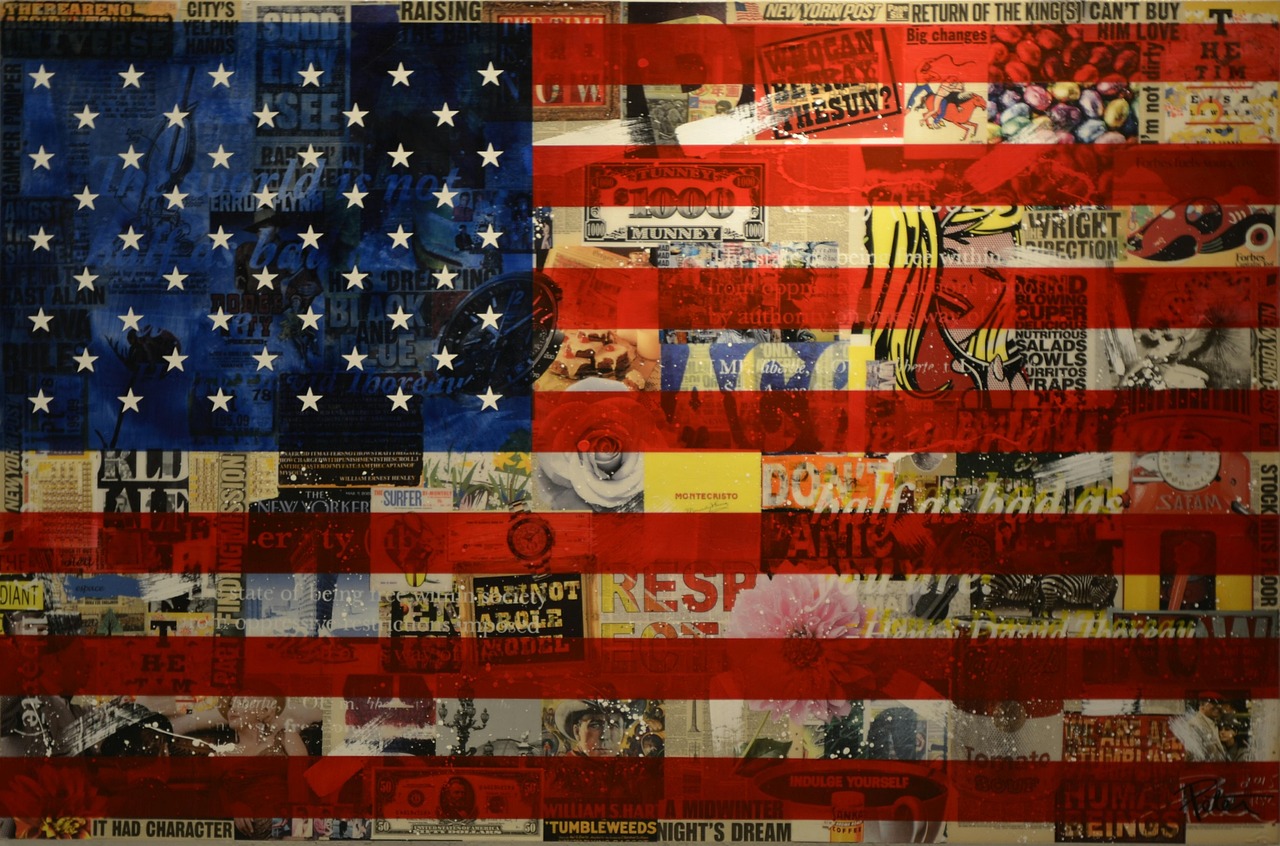
Reimagining Heritage: Flagging the Future
The Confederate States of America Flags have long been a subject of intense debate and interpretation. Today, as we navigate a world where symbols carry profound cultural weight, it's crucial to understand that their historical significance is complex and multifaceted. Promoting cultural awareness is not merely about understanding the past but also about how these symbols are perceived and used in the present. The meaning of the Confederate flag has evolved far beyond its original historical context, with modern confederate flag appropriation raising important questions about identity, heritage, and respect.
Reimagining Confederate heritage requires a nuanced approach. For many, these flags represent a connection to Southern cultural roots and a desire to preserve historical memory. However, others see them as symbols of oppression and division, reminders of a time when slavery was institutionalized. This clash of perspectives underscores the need for open dialogue and critical examination. The process of troubleshooting confederate flag misunderstandings can be a valuable step towards resolving public display debates.
Where to find authentic Confederate flags is a question that reflects the broader debate. While online stores like Etsy and Custom Flag Studio offer a variety of options, it's essential to be mindful of the context in which these flags are displayed. Authentic flags from reputable manufacturers, such as Flag Maker's Guild, can serve as educational tools when used in museums or historical exhibits. However, their display in public spaces must be approached with care, considering the potential for harm or misinterpretation. Costume associations might use these flags in controlled environments, but their use in public should be scrutinized, as it can perpetuate harmful stereotypes.
Reimagining Confederate heritage involves a thoughtful reevaluation of these symbols in the 21st century. By promoting cultural awareness and understanding the multifaceted nature of these flags, we can work towards a future where the flags, if displayed, do so with purpose, respect, and an understanding of their complex history.
Comparing Confederate Flag Interpretations: Historical, Cultural, and Controversial Views
This section compares various perspectives on the Confederate flag as a cultural artifact, highlighting its historical context, cultural significance, and the ongoing controversies surrounding its display.
| Feature | Historical Interpretation | Cultural Significance | Strengths | Limitations | Cost/Performance |
|---|---|---|---|---|---|
| Key Features: | Examines the flag's origins, symbolism, and its role in the American Civil War. | Explores its usage, perceptions, and meaning across different demographics and regions. | Provides a nuanced understanding of the flag's complex history and diverse cultural interpretations. | Can be emotionally charged and polarizing, leading to misrepresentations and misunderstandings. | Varies; requires thorough research, historical context, and cultural sensitivity for accurate interpretation. |
| Best Use Cases: | Historical research, educational contexts, examining the impact of symbolism on society. | Analyzing cultural appropriation, understanding heritage, and promoting dialogue about racial issues. | Facilitates informed discussions, promotes critical thinking, and encourages cultural awareness. | May be difficult to reconcile conflicting perspectives and address sensitive topics respectfully. | Requires time, resources, and expertise for thorough analysis and responsible presentation. |
| Strengths: | Offers insights into America's complex history, the causes and consequences of the Civil War, and the evolution of racial attitudes. | Encourages cultural reflection, critical examination of stereotypes, and dialogue about reconciliation and justice. | Contributes to a more inclusive and understanding society by acknowledging and addressing historical injustices. | Can be used to promote harmful narratives and ideologies if not carefully considered and contextualized. | Sensitive handling is crucial; professional guidance and expertise are often required for nuanced interpretations. |
| Limitations: | Risk of simplifications, generalizations, and omissions that distort the historical reality. | Can be misunderstood or misused, leading to further division and misunderstanding. | Requires careful consideration of context, source material, and potential biases. | Lack of standardized interpretation guidelines can result in conflicting and inaccurate representations. | May not be suitable for all audiences, particularly those with traumatic associations or strong emotional attachments. |
| Cost/Performance: | Primarily a resource of knowledge and understanding; financial cost varies with research methods and resources. | Can be both expensive and time-consuming, depending on the depth of analysis and the need for expert input. | High potential for positive impact, but requires commitment, sensitivity, and responsible handling. | May not yield immediate or tangible results; long-term societal change depends on sustained effort and dialogue. | Varies widely; access to historical records, academic expertise, and community engagement play significant roles. |
Quick Reference
- Identify the historical context: Understand the flag's origins and the era it represents to interpret its cultural value.
- Research symbolism: Explore the colors, symbols, and designs for hidden messages and cultural significance.
- Distinguish from other flags: Learn the differences between Confederate flags and other regional or national banners.
- Consider display purpose: Determine if the flag is for celebration, remembrance, or protest, as context matters.
- Respect cultural sensitivities: Be mindful of the flag's impact on different communities and avoid offensive displays.
- Check local laws: Familiarize yourself with regulations regarding public flag displays to ensure compliance.
- Seek authentic sources: Purchase flags from reputable suppliers to support historical accuracy and heritage.
- Engage in cultural dialogue: Discuss the flag's meaning with others to promote understanding and resolve misunderstandings.
- Reimagine and respect: Find ways to honor the past while avoiding appropriation and preserving cultural respect.
Frequently Asked Questions About Flag as Cultural Artifact Value
What is the historical significance of flags, particularly in the context of the Confederacy?
Flags have long served as powerful symbols, representing identity, heritage, and even political ideologies. The Confederate flag, a complex and contentious symbol, is a prime example. Historically, it represented the Southern states during the American Civil War, embodying a variety of meanings for different groups. For some, it's a reminder of a lost cause, a time of slavery and segregation. For others, it's a connection to family history and a celebration of Southern heritage. This duality, along with the flag's association with white supremacy, has sparked ongoing debates about its display, especially in public spaces.
Why do some people fly Confederate flags today?
Today, the Confederate flag is flown by individuals and groups for various reasons. Some see it as a symbol of Southern pride, heritage, and cultural identity. Others use it to express political beliefs, often opposing racial equality and social justice movements. A small minority may display it as a statement against government authority or as a white supremacist symbol. It's crucial to understand that these modern uses are often disconnected from the flag's historical context, leading to confusion and conflict.
When should Confederate flags be displayed, if at all?
The display of Confederate flags is a highly sensitive issue. While some argue for historical preservation and freedom of expression, others see them as a symbol of oppression and hate. Generally, it's recommended to avoid displaying Confederate flags in public spaces, especially educational institutions, government buildings, and places of worship. Their presence can cause distress, trigger traumatic memories, and perpetuate harmful stereotypes. However, private individuals may display them, but should be mindful of the potential impact on others.
What are the legalities surrounding the Confederate flag?
The legal status of the Confederate flag varies by location. In the U.S., there's no federal law against displaying the flag. However, some states and municipalities have passed laws or ordinances banning its display on government property or in certain public spaces. It's essential to check local laws and regulations to understand the permissibility of displaying the Confederate flag in specific areas.
How can I display Confederate flags respectfully, if I choose to do so?
If you decide to display a Confederate flag, do so responsibly and respectfully. Consider the historical context and the potential impact on others. Place it in a context that acknowledges its controversial nature, such as a museum or historical display. Avoid displaying it in a way that glorifies or romanticizes the Confederacy, especially in proximity to events or locations associated with slavery or racial violence. Always be prepared to educate others about the flag's history and the reasons for its controversy.
What are some alternative ways to appreciate or learn about Southern history and heritage?
There are numerous ways to explore and appreciate Southern history and heritage without relying on the Confederate flag. Visit historical sites, museums, and landmarks that tell the full story of the region's past, including its struggles and triumphs. Participate in cultural events, festivals, and gatherings that celebrate Southern culture through music, food, art, and literature. Engage with educational resources, documentaries, and books that offer diverse perspectives on the region's history and its ongoing evolution.
Restoring Historical Pride: A Community Embraces Its Confederate Flag Heritage Responsibly
Situation
In a small Southern town, the confederate flag, a symbol deeply rooted in local history, became a point of contention. Residents wanted to honor their ancestors' legacy while facing growing public pressure to remove the flag from public spaces. The flag, once a source of pride and community identity, was increasingly perceived as a symbol of racism and divisiveness. The town council was tasked with finding a solution that respected historical context while ensuring the flag's display aligned with contemporary social values.
Action
The town council initiated a comprehensive consultation process. They organized community meetings, inviting residents from diverse backgrounds to share their perspectives. Historical experts were engaged to provide context on the flag's origins and its evolution in American culture. This open dialogue aimed to uncover the flag's true meaning within the community and differentiate it from its contemporary connotations.
The council also studied successful examples of flag display and interpretation in other regions. They consulted with museums and historical societies about exhibiting and educating the public about Confederate flags as cultural artifacts. This approach aimed to provide a nuanced understanding of the flag's historical significance while acknowledging its controversial nature.
Result
The community's engagement led to a series of practical initiatives. A local museum was revitalized to feature a permanent exhibit on the Confederate flag, its historical role, and ongoing debates surrounding its symbolism. Educational programs were developed to teach students about the flag's complex history, encouraging critical thinking and cultural awareness.
The town council implemented guidelines for responsible flag display, allowing for respectful public demonstrations during historical events and ceremonies. These displays were accompanied by interpretive signage explaining the flag's historical context.
The town's approach sparked national dialogue, inspiring other communities grappling with similar issues. The successful restoration of the Confederate flag as a cultural artifact led to a more nuanced public discourse, demonstrating that historical symbols can be embraced responsibly while promoting cultural understanding.
The flags, rich in historical context and symbolic weight, demand nuanced understanding and respectful display. By exploring their intricate designs, historical significance, and evolving interpretations, we've uncovered the importance of distinguishing authentic heritage from appropriation. The ongoing public discourse surrounding these flags underscores the need for cultural awareness and responsible display. Moving forward, recognizing the potential for misunderstanding, we must prioritize respectful and informed flagging, whether in historical contexts, pop culture, or political protests. This article has equipped readers with a comprehensive toolkit for navigating the complex world of Confederate flags, promoting a deeper understanding of their cultural value, and fostering more constructive conversations about their place in contemporary society.
Flags: Understanding, Interpreting, and Reimagining Heritage
The flags, rooted in the Civil War era, carry complex historical narratives. Their designs, from the "First National Flag" to the "Settebellic" and navy flags, symbolize regional pride and the Confederacy's identity. Today, these flags spark debate, with interpretations ranging from Southern cultural heritage to reminders of slavery and oppression. Legal considerations, including intellectual property and copyright, add complexity.
Promoting cultural awareness demands understanding their historical context and modern uses. Repurposing them in political protests or costumes requires careful consideration. Authentic flags from reputable sources, when displayed properly, can educate. However, public spaces necessitate scrutiny to avoid misinterpretation and harm.
Reimagining Confederate heritage involves critically examining these flags' meanings, resolving public display debates, and engaging with cultural experts. The goal is to foster a respectful dialogue, ensuring these symbols, if displayed, do so with historical context and understanding.