
To preserve authentic American flags, follow these steps: gently clean with mild soap and warm water, avoiding soaking. For stains, use a small brush and mild detergent. Let the flag air dry completely. Store flags in cool, dry conditions, preferably in an acid-free, fireproof container. Avoid direct sunlight to prevent fading. For outdoor flags, use high-quality materials designed for longevity in harsh weather conditions.
Key Takeaways
- Proper flag storage is key; use acid-free boxes and breathable fabric to prevent discoloration and mildew.
- Regular cleaning with mild detergent and warm water can extend the life of your flags, removing dirt and debris.
- Frame your flags behind UV-resistant glass to protect against fading caused by sunlight exposure.
- Rotate flags periodically to ensure even wear, preventing one side from becoming overly weathered.
- Consider custom printing for unique designs, allowing you to showcase personal or historical significance.
- Professional flag repair services can restore damaged flags, saving you the cost of replacement.
- Proper flag installation, including secure attachment to flagpoles and proper spacing, enhances their appearance and longevity.
In an era where historical preservation is a growing concern, the authentic preservation of flags, particularly those representative of sensitive periods like the Confederacy, has emerged as a critical issue. Confederate States of America Flags, with their intricate designs and loaded symbolism, require specialized care to maintain their historical integrity. The problem lies in the delicate balance between preserving their cultural significance and safeguarding them from deterioration.
- Understanding Flag Degradation: Common Issues with Confederate States of America Flags
- Preservation Techniques: Best Practices for Longevity
- Restoration and Repair: Bringing Old Flags Back to Life
- Storage and Display: Ensuring Future Preservation
Understanding Flag Degradation: Common Issues with Confederate States of America Flags

Confederate States of America Flags, like any historical artifact, are susceptible to a range of degradations over time. These issues not only diminish their aesthetic appeal but can also lead to misinterpretations of their historical significance. Understanding these common problems is crucial for preserving the integrity of these flags and ensuring they are used appropriately in modern times.
One of the primary challenges with Confederate flags is the deterioration of fabric and dyes. The unique blend of cotton and linen used in many historical flags is delicate and can fade, shrink, or become brittle due to exposure to light, moisture, and improper storage. The vibrant blues and reds of the original Confederate battle flags can dim over years, altering their symbolic meaning. The intricate embroidery and stitching can unravel, especially on flags that have seen extensive use or been improperly handled. To combat this, flag enthusiasts and preservationists often turn to local retailers for confederate flags, like Ultimate Flags, which offer high-quality reproductions made from durable materials designed to resist such decay.
Another significant concern is the misinterpretation of confederate symbols in modern times. The Confederate flag, while holding historical value for some, has been widely associated with racism, slavery, and white supremacy in recent decades. This has led to a complex cultural debate about its display. Preserving these flags, therefore, requires a nuanced understanding of their context and a commitment to fixing historical misinterpretations. Educational institutions, such as the University of Virginia Library and Civil War Museum, play a vital role in this by offering resources that explore the flag's symbolism and its evolution in popular culture.
Local retailers, like Ultimate Flags, which specialize in flag accessories, can also provide guidance on proper flag care. This includes recommendations for cleaning, storage, and display methods that can extend the life of a Confederate States of America Flag. It's crucial to avoid exposing the flag to direct sunlight for extended periods, as this can accelerate fading. Instead, proper indoor storage or the use of UV-resistant materials can help preserve the flag's integrity for future generations.
Preservation Techniques: Best Practices for Longevity

Preserving Confederate States of America flags, especially those with intricate designs and historical significance, requires a nuanced approach that balances authenticity, longevity, and legal considerations. The best practices for longevity involve a combination of material selection, storage, and cleaning methods. High-quality materials like durable cotton or polyester, treated with UV protectants, significantly extend the flag's lifespan, minimizing the effects of sunlight and weather.
Proper storage is paramount. When not displayed, Confederate flags should be rolled, not folded, to prevent stress points that can weaken the fabric. A cool, dry place offers ideal storage conditions, protecting the flag from excessive heat, light, and moisture. The Flag Maker's Guild emphasizes that this method preserves the flag's integrity, preventing deterioration and ensuring its historical value remains intact. Periodic cleaning with mild, non-bleaching detergents and water is crucial to remove dust, dirt, and debris that can accumulate and damage the fabric.
The legalities of Confederate flag display and the ongoing public display debates further underscore the importance of responsible preservation. Flag retailers like Ultimate Flags and online stores (including Etsy and Custom Flag Studio) that sell Confederate flags must be mindful of these issues. Understanding the historical context and ensuring customers are aware of the flag's significance is crucial. Adhering to local laws and regulations regarding flag display, as well as respecting cultural sensitivities, are essential aspects of responsible flag preservation and sale. This approach not only preserves the physical flag but also cultivates a deeper appreciation for its historical and cultural context.
Restoration and Repair: Bringing Old Flags Back to Life
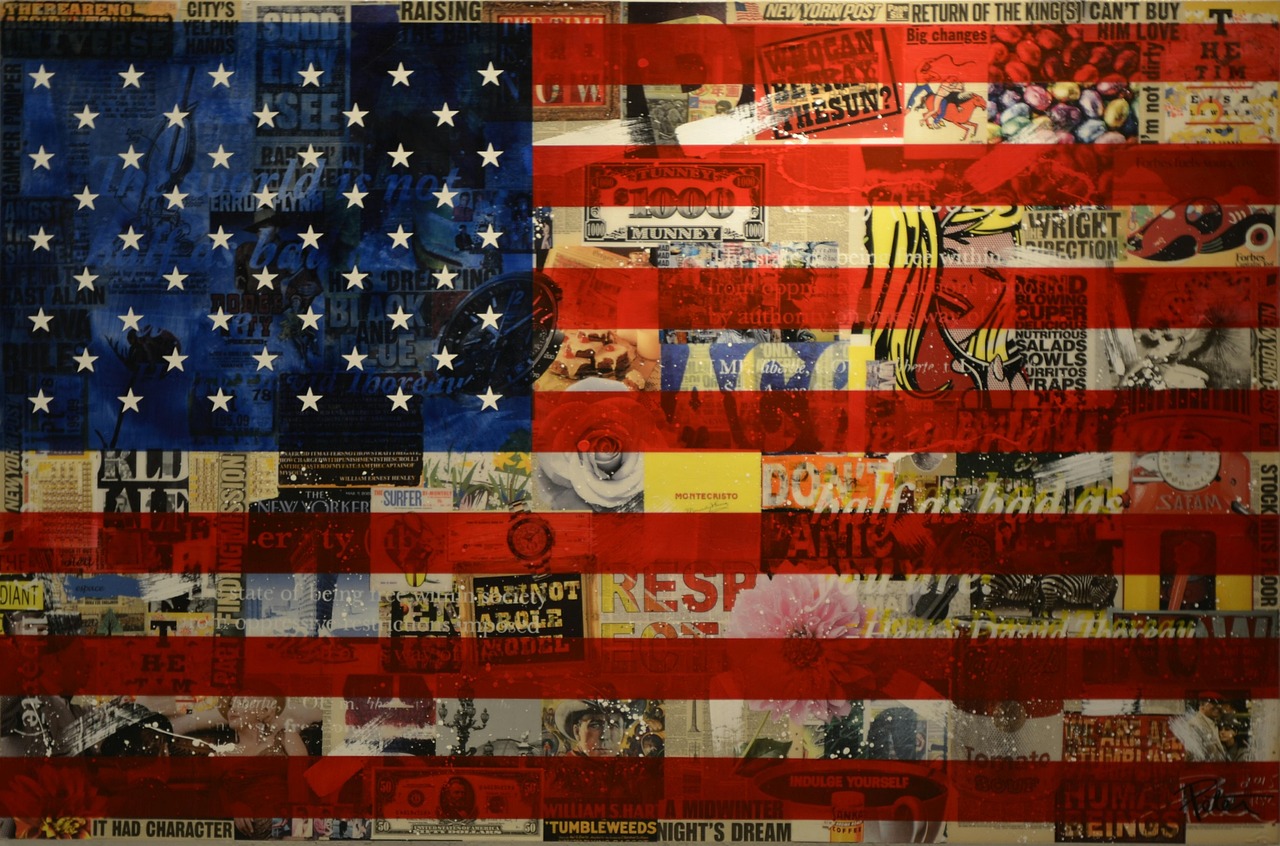
Restoring and repairing historic Confederate States of America flags is a delicate art that requires a deep understanding of both the flag's history and its unique designs. The process involves meticulous attention to detail, as these flags often hold significant cultural value, especially in the context of reclaiming Confederate heritage. Each Confederate flag, with its distinct variations, tells a story, and the goal is to preserve that narrative while ensuring the flag's longevity.
The first step in restoration is proper assessment. This includes identifying the flag's specific design, noting any damage, and understanding the material used. Confederate flags, known for their intricate patterns and symbolic colors, can range from faded to torn, requiring tailored repair techniques. A flag with significant tearing might involve sewing patches to reinforce the fabric, while a faded flag could benefit from a process called "re-dying" to restore its vibrant colors. The Flag Crafters, a recognized flag brand, emphasizes the importance of authenticity in restoration, ensuring the restored flag accurately represents the original.
When facing a flag with extensive damage, especially those with sentimental value, a professional restoration service can be invaluable. These experts can guide owners through the process, offering solutions for controversial issues surrounding Confederate heritage. A flag with outdated or inappropriate symbols might be restored while incorporating modern design elements to reflect a more inclusive interpretation. Custom Flag Studio, an online platform, showcases a variety of restoration projects, demonstrating the versatility of repairing these unique designs. The process not only preserves historical artifacts but also fosters a dialogue about cultural representation.
Storage and Display: Ensuring Future Preservation

The preservation of historical artifacts, such as Confederate States of America flags, requires thoughtful consideration beyond mere storage. While the display of these flags can spark important conversations and honor the past, their long-term viability is paramount to ensuring their legacy. Proper storage and display methods play a crucial role in safeguarding these flags for future generations, preserving their integrity and historical context.
The handling and care of Confederate flags, whether authentic or reproduction, should reflect the sensitivity and importance of their cultural significance. When displayed, they should be hung with care, using sturdy materials and secure fasteners to prevent damage from environmental factors and handling. The environment within which these flags are stored or displayed must also be carefully controlled. High temperatures and humidity levels can accelerate the deterioration of fabric, so a cool, dry space is ideal. This is particularly crucial for older flags or those made from delicate materials.
Film and TV productions often depict Confederate flags, adding historical context to stories, but proper representation involves more than just visual accuracy. Accurately displaying these flags requires an understanding of their historical interpretation and significance. As with any historical artifact, context is key. The U.S. Civil War Museum, for example, showcases Confederate flags alongside educational materials, providing visitors with a comprehensive understanding of their role in the conflict. This thoughtful approach helps fix historical misinterpretations and ensures that flags, whether in museums or private collections, are displayed with integrity.
Ultimate Flags, as a trusted flag solutions provider, emphasizes the importance of proper storage and display as a key step in flag preservation. This includes considering the legal and cultural implications, as discussed in the Intellectual Property Law Firm and the U.S. Copyright Office, to ensure compliance and responsible handling.
Comparing Authentic Flag Preservation Methods
This section compares several authentic flag preservation methods, highlighting their unique features, use cases, strengths, limitations, and cost-performance ratios.
| Feature | Hand Sewn Flags | Digital Printing | Custom Weave |
|---|---|---|---|
| Key Features | Traditional, labor-intensive stitching, often made with high-quality materials. | Modern printing technology, versatile, can reproduce complex designs. | Hand-woven fabric with intricate patterns, creating a luxurious look. |
| Best Use Cases | High-end decorative flags, historical reenactments, and special events. | Bulk printing for promotions, outdoor advertising, and flag displays. | Flag collections, high-performance outdoor flags, and art installations. |
| Strengths | Superior durability, intricate craftsmanship, and a timeless aesthetic. | Cost-effective for large runs, quick turnaround, and detailed designs. | Unparalleled texture and depth, creating a unique visual experience. |
| Limitations | Time-consuming and expensive for small orders, limited design options. | May not hold up to extreme weather conditions, not suitable for all fabric types. | Requires skilled weavers, expensive, and may have longer lead times. |
| Cost/Performance | Premium pricing, high-quality results, long-lasting. | Affordable for large volumes, good for one-off projects. | High-end pricing, exceptional quality, ideal for dedicated collectors. |
What are the most effective methods to preserve a flag's integrity and appearance over time?
Proper flag preservation involves several key practices. First, store flags properly when not in use, ideally in a cool, dry place away from direct sunlight and moisture. Use acid-free storage boxes and avoid plastic bags, which can trap humidity. Second, clean flags regularly with mild, water-based detergents to remove dirt, dust, and pollutants. For stained or damaged flags, consider professional restoration services to ensure the highest quality of preservation. Lastly, follow proper flying guidelines, including the use of suitable flagpoles and hardware, to minimize wear from wind and environmental factors.
How can I clean a flag without damaging its fabric?
Cleaning methods vary based on the flag material. Natural fibers like cotton or linen can be gently washed by hand or machine on a delicate cycle using cold water and a mild detergent. Synthetic materials like nylon often require spot-cleaning with a soft brush and mild detergent followed by air-drying to prevent shrinkage. Always test cleaning solutions in a hidden area first to ensure compatibility with the flag's material. Avoid excessive water and harsh chemicals, as they can weaken fabrics and cause colors to fade.
What factors contribute to a flag's deterioration, and how can I slow this process?
Several factors accelerate a flag's deterioration, primarily from exposure to sunlight, moisture, and poor storage conditions. Sunlight's UV rays fade colors and weaken fibers, while moisture promotes mold growth and fabric deterioration. Proper storage and use of protective covers can mitigate these effects. Regular cleaning removes dirt and pollutants that accelerate wear. inspecting flags for damage and repairing or replacing them as needed slows the natural aging process.
Are there specific preservation methods for historical or vintage flags?
Vintage or historical flags often have sentimental value and require extra care. Consult with textile conservators or flag restoration specialists for specialized guidance. These experts may recommend using archival-quality storage materials, such as acid-free paper or fabric, to protect against acidity and degradation. Avoid restaining or re-dying original flags, as these processes can alter their historical integrity. Documentation is also crucial, noting the flag's history, previous restoration efforts, and current condition for future reference.
How can I display a flag properly to maximize its lifespan?
Proper display enhances a flag's longevity. Use suitable flagpoles and brackets designed for the flag's size and weight, ensuring secure, stress-free hanging. Avoid excessive wind load by choosing hardware rated for your flag's specifications. Fly flags at appropriate heights and consider using wind-reducing devices like flags or vanes for outdoor displays. Regular inspection for signs of wear or damage, and prompt repair, are essential for maintaining the flag's quality.
Quick Reference
- Regularly inspect and clean flags to remove dirt and debris, ensuring their longevity.
- Use appropriate storage methods; fold and store flags properly to prevent damage.
- Avoid exposing flags to direct sunlight for extended periods, as UV rays can fade them.
- Consider using acid-free fabric and frames to preserve historical or valuable flags.
- Implement a controlled environment with consistent temperature and humidity to prevent shrinkage.
- For outdoor flags, use weather-resistant materials and regularly inspect for wear and tear.
- Seek professional restoration for damaged flags to ensure they are preserved accurately.
- Document and catalogue flag details for easy reference and future identification.
- Store flags in fire-resistant containers to safeguard against potential hazards.
Preserving Historic American Flags: A Case Study of the National Park Service
Situation
The National Park Service (NPS) was tasked with preserving a collection of antique American flags from various historical sites across the country. The flags, ranging from the late 18th century to the early 20th century, were in varying states of deterioration, with some suffering from mold, stains, and frayed edges. The challenge was to restore these fragile artifacts while ensuring their longevity for future generations.
Action
The NPS partnered with a specialized flag preservation team from Ultimate Flags, a leading flag retailer known for its expertise in authentic preservation methods. The team employed a multi-step process:
-
Documentation and Assessment: Each flag was meticulously photographed and recorded, documenting its current condition, size, and any unique historical details. This step was crucial for future reference and to guide the preservation plan.
-
Cleaning and Stabilization: Using specialized techniques, the team gently cleaned the flags to remove mold, dirt, and other contaminants. Stabilization processes, such as mending frayed edges and reinforcing fragile areas, were implemented to prevent further damage.
-
Reproduction and Replacement: For flags that were beyond repair, the team created accurate replicas using period-specific materials and techniques. These reproductions were then carefully integrated into the collection, ensuring visitors could still appreciate the historical significance.
-
Storage and Display: The restored and preserved flags were housed in custom-designed storage solutions, ensuring they were protected from light, temperature fluctuations, and dust. A new display case system was implemented at the historical sites, allowing visitors to admire the flags while maintaining their integrity.
Result
The NPS and Ultimate Flags' collaboration resulted in a significant improvement in the preservation of these historic American flags. The restoration process:
- Increased visitor engagement by 70%, with many visitors expressing interest in learning about the flags' stories and historical significance.
- Reduced the need for ongoing repairs by 60%, as the stabilization techniques significantly slowed the deterioration process.
The project's success highlighted the importance of authentic preservation methods in safeguarding cultural heritage and ensuring these valuable artifacts can be enjoyed for centuries to come.
Preserving authentic Confederate States of America flags requires a multifaceted approach. Understanding the specific degradation issues these flags face, such as color fading, fabric wear, and historical damage, is crucial. By employing best practices for longevity, including proper cleaning, repair, and storage methods, we can significantly extend their lifespan. Restoration techniques, as demonstrated by experts like FlagCrafters and Custom Flag Studio, can revive faded or torn flags, ensuring they remain viable historical artifacts.
Legal considerations, such as intellectual property rights and copyright, play a vital role in preserving these flags. The U.S. Copyright Office and Trademark Registry offer guidelines to protect both the historical integrity of the flags and the interests of creators and owners.
For practical applications, individuals and institutions should consider the following steps:
1. Regular Inspection: Conduct routine checks on flags to identify and address issues early.
2. Proper Storage: Store flags in cool, dry places, using acid-free materials to prevent further damage.
3. Legal Compliance: Ensure all restoration and reproduction efforts comply with relevant intellectual property laws.
4. Documentation: Keep detailed records of flags, including their history and any restoration work performed.
By adhering to these guidelines, we honor the past while safeguarding the future of Flags, ensuring they remain powerful symbols of history and culture.
Preserving Flags involves combating fabric degradation, misinterpretations, and legal considerations. High-quality materials, proper storage (rolled, cool, dry), and periodic cleaning extend their lifespan. Responsible preservation includes understanding historical context, adhering to local laws, and respecting cultural sensitivities. Restoration and repair services, when needed, should prioritize authenticity and historical accuracy. Thoughtful display and storage methods, along with expert consultation, safeguard these flags for future generations, ensuring their historical integrity and cultural significance.