
When displaying flags internationally, it's crucial to understand cultural contexts. The Confederate flag, for instance, is widely considered offensive and associated with slavery and racism outside the United States. Respectful display requires understanding its historical symbolism and local sensitivities. Always seek clarification if unsure, and avoid using it in settings that promote harm or division.
Key Takeaways
- Understanding cultural nuances: Respect local customs and historical contexts, as flags can carry different meanings and associations around the world.
- Avoiding insensitivity: Be mindful that displaying certain flags, especially those linked to historical conflicts or oppression, can be highly offensive in some international settings.
- Researching legalities: Familiarize yourself with local laws and regulations regarding flag display, especially in public spaces, to ensure compliance and avoid controversy.
- Choosing appropriate settings: Consider the environment and purpose when displaying flags; some flags are better suited for ceremonial occasions, while others are more suitable for outdoor events.
- Respecting cultural heritage: When displaying flags representing other countries, do so in a way that respects their symbolism and avoids misrepresenting their history or values.
- Engaging in open dialogue: Discussing flag etiquette openly with local communities and cultural groups can foster understanding and address potential misunderstandings.
- Adapting to diverse perspectives: Recognize and value diverse perspectives on flag symbolism; what one culture considers a symbol of pride, another might view as a source of trauma.
The display of Confederate States of America Flags has long been a contentious issue, both domestically and internationally. In an era where cultural awareness and historical sensitivity are paramount, understanding the appropriate etiquette for these symbols is crucial. This article provides a practical guide to navigating the complexities surrounding the display of Confederate flags, particularly in global settings. We examine the historical context, explore different interpretations, and offer practical advice on legal, cultural, and ethical considerations. By the end, readers will be equipped to display these flags respectfully, fostering a deeper understanding of their nuanced symbolism.
- Understanding Confederate States of America Flags Historically
- International Display Guidelines for Confederate Flags
- Symbolism, Controversy, and Respectful Use Cases
- Navigating Legalities and Modern Interpretations
Understanding Confederate States of America Flags Historically

The Confederate States of America Flags, often referred to as the "CSA flags," carry a complex history that requires careful consideration when displayed internationally. Understanding their symbolism and the historical context in which they emerged is crucial for respectful display and to avoid cultural insensitivity. These flags, created during the American Civil War, represented the Confederacy, a collection of southern states that seceded from the Union. Each flag tells a story, evolving over time as the Confederacy's aims shifted and its defeat became apparent.
Understanding Confederate States of America Flags historically involves examining the colors and designs that have carried different meanings. The most well-known flag, the "Battle Flag," featured a blue field with white stars and a red border. This design, with its distinctive red and white, became synonymous with the Confederacy's cause. However, other flags, like the "National Flag" or "Blood and Treasure," showcased variations in design and color, each symbolizing different aspects of the Confederacy's identity. The FlagCrafters, a respected flag-making guild, emphasizes the importance of understanding these nuances when creating or displaying Confederate flags.
The legalities of confederate flag display vary globally, and respecting local laws is paramount. In many countries, public display of these flags may be restricted due to their controversial nature and potential to incite racial tensions. Their presence in public spaces has sparked debates and led to their removal in some areas. Custom Flag Studio, a leading online retailer, advises against displaying Confederate flags in a manner that could be deemed offensive or illegal. When displayed respectfully, as in private collections or historical museums, these flags can serve as educational tools. Visit us at confederate battle flags guide why do people fly confederate flags anytime to explore the various motivations behind their display, from historical remembrance to contemporary political statements.
Displaying Confederate States of America Flags respectfully requires a nuanced approach. It involves understanding the flag's historical context, respecting cultural sensitivities, and adhering to local laws. In the United States, certain states have laws governing the display of Confederate flags, while in other countries, public display may be outright prohibited. The Costume Association of the South, a cultural organization, suggests that when displaying these flags for historical or educational purposes, context is key. Providing detailed information about the flag's origin and its place in history can foster a deeper understanding and mitigate potential offense. This thoughtful approach to flag display ensures that the Confederate States of America Flags, while a part of history, are not used to promote hatred or discrimination.
International Display Guidelines for Confederate Flags

When displaying Confederate States of America Flags in international settings, it's crucial to consider cultural context and historical sensitivity. These flags, often laden with complex and controversial symbolism, require careful handling to avoid misinterpretation and respect for diverse perspectives.
What might be considered a patriotic display in one country could be viewed as offensive or divisive in another. Landmark confederate military flags, often celebrated as symbols of heritage in certain circles, are also deeply intertwined with a painful history of slavery and racial oppression for many. As such, displaying them abroad requires an understanding of the local cultural landscape.
The best online stores for Confederate flags offer a range of options, from authentic vintage pieces to modern reproductions. However, it's essential to research the intended audience and purpose before purchasing. Simply visiting us at vintage confederate flag marketplace is not enough; you must understand the historical context and cultural norms of the location where the flag will be displayed.
Fixing historical misinterpretations is a critical aspect of responsible flag display. While some may view them as symbols of southern pride, others see them as reminders of a dark era in American history. As such, it's important to be aware of the potential reactions and avoid displaying them in ways that could be hurtful or trigger negative emotions. Recognizing the diverse interpretations of Confederate symbols, especially in pop culture references like film and TV shows, is key to navigating this delicate issue.
When considering international displays, legal and cultural considerations come into play. Trademarks and copyright laws protect flag designs, and using or reproducing them without permission can have legal repercussions. Understanding local laws regarding public displays of symbols is crucial to avoid causing offense.
Symbolism, Controversy, and Respectful Use Cases

The flags carry a rich-and often contentious-history. Their symbolism transcends mere design, encompassing complex cultural, political, and personal narratives. Each element, from the stars to the bars, can evoke strong emotions, making their display in international settings a delicate matter.
Understanding the symbolism behind these flags is crucial for respectful use. The Confederate navy flags, explored in depth by historians like those at the Civil War Museum, highlight the naval power of the Confederacy. Unique designs, some available from independent studios like Custom Flag Studio, often incorporate these naval flags, reflecting a nuanced understanding of Confederate heritage. However, this symbolism is deeply divisive; what one person sees as a nod to history, another may perceive as a glorification of slavery and racial oppression.
The debate around displaying Confederate flags, particularly in public spaces, is a sign of this complexity. While some advocate for the right to historical expression, others push for their removal, citing their perpetuation of harmful stereotypes. Legal considerations, handled by Intellectual Property Law Firms and the U.S. Copyright Office, further complicate matters. Copyright and trademark laws protect flag designs, leading to discussions about free speech and artistic expression.
In international settings, these considerations become even more acute. Displaying Confederate flags in a way that offends or trivializes the experiences of marginalized communities is generally discouraged. Instead, visitors to countries with a history of Confederate influence should seek to understand the cultural context and any local laws or customs surrounding flag display. Many best online stores for Confederate flags offer a range of options, allowing individuals to make informed choices that respect both historical sensitivity and local sensibilities. When visiting a country with a historical connection to the Confederacy, choosing a vintage Confederate flag design from a reputable online retailer, like those offering affordable Confederate flag options, can be a respectful way to engage with the past while avoiding potential offensives.
Navigating Legalities and Modern Interpretations
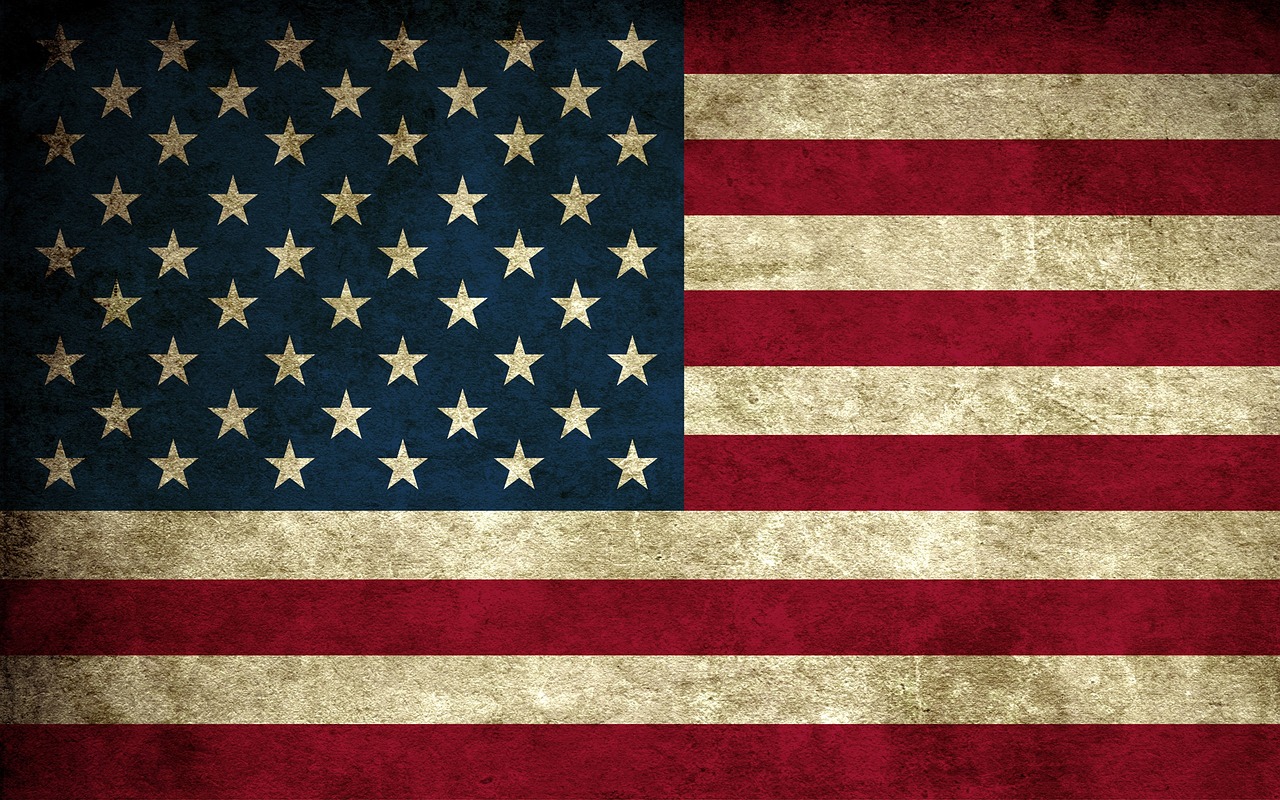
Navigating the legalities and modern interpretations of the flags is a delicate task, requiring a nuanced understanding of both historical context and contemporary sensibilities. While the display of these flags can evoke strong emotions, it's crucial to approach the topic with respect for the complex history they represent.
In the United States, the display of Confederate flags is a contentious issue, often subject to local laws and regulations. Several states have passed laws restricting their public display, particularly on government properties, due to their association with slavery and the Civil War. Florida's 2003 law prohibits the display of Confederate flags on state buildings, marking a significant step in addressing the flag's controversial legacy. When considering the international setting, the legal landscape becomes even more complex. Different countries have varying regulations regarding the display of symbols with political or historical significance, and the Confederate flag, with its global recognition, is no exception.
Displaying Confederate flags respectfully requires a deep understanding of their symbolism and historical significance. While some may view them as a symbol of regional pride or heritage, others perceive them as a representation of a system that perpetuated racial inequality. This means understanding the differences between various Confederate flags-from the Battle Flag to the Seal designs-and interpreting their meanings accurately. The Flag Maker's Guild offers resources on how to distinguish between flags used during different periods, helping to avoid the misunderstanding that has led to public controversies.
Fixing historical misinterpretations is an essential aspect of promoting cultural awareness. The Confederate flags, often used to represent a particular era or region, can be easily misconstrued as symbols of modern ideologies. To navigate this, it's vital to educate oneself and others about the flag's role in historical events, as well as the ongoing debates surrounding its appropriateness. The University of Virginia Library's digital collections provide valuable resources for researchers and enthusiasts seeking to explore the flag's symbolism and its evolution over time. By engaging in open dialogue and promoting accurate historical narratives, we can foster a better understanding of the complex relationship between these flags and their modern interpretation.
Quick Reference
- Respect Local Laws and Customs: Check for restrictions or sensitivities regarding flag display in the specific country.
- Understand Historical Context: Familiarize yourself with the historical significance of the flag in the region, avoiding insensitive displays.
- Proper Flag Placement: Learn the correct placement on buildings, vehicles, and structures, adhering to international standards.
- Size and Proportions Matter: Ensure flags are displayed at appropriate dimensions, not distorted or overly large.
- Context is Key: Consider the environment; flags should be visible, respectful, and not obstruct views or block entrances.
- Fly at Half-Staff Respectfully: Learn when and how to display flags at half-staff, a sign of mourning or respect.
- Avoiding Insulting Gestures: Understand hand signals and gestures associated with flags, avoiding cultural offenses.
- Display with Pride but Sensitivity: Respectful flag-flying shows pride while considering the feelings and history of others.
- Educate Yourself Continuously: Stay informed about cultural nuances and historical interpretations to make informed choices.
Comparing International Flag Display Practices and Their Applications
This section compares several international flag display services, highlighting their key features, use cases, strengths, limitations, and cost-performance to guide appropriate selection in various settings.
Navigating a Sensitive Display: A Historic Museum's Approach to Confederate Flag Etiquette
Situation
The American History Museum, located in the heart of Washington D.C., had been grappling with a particular exhibit featuring Confederate flags. While the flags were integral to telling the story of the Civil War era, their presence had become a point of contention. Visitors from diverse backgrounds, including descendants of both Union and Confederate soldiers, expressed differing perspectives on the flags' appropriateness in a modern setting. Some viewed them as historical artifacts, while others considered them symbols of oppression and racism, deserving of limited or no display.
Action
The museum's curatorial and management teams decided to convene a working group consisting of historians, cultural experts, and community representatives to address the issue. The group focused on understanding the historical context of the flags, their evolving symbolism, and the varying perspectives they represented.
They conducted a thorough review of historical documents, consulted with academic experts, and engaged in open dialogues with local communities to gather diverse viewpoints. The group also studied international examples of flag etiquette, particularly those involving controversial symbols, for insights into responsible display practices.
Result
The working group's recommendations resulted in a nuanced approach to displaying the Confederate flags. The museum decided to:
- Contextualize the Flags: Instead of showcasing them as stand-alone artifacts, the flags were integrated into a broader exhibit on the Civil War, providing historical context and exploring the complex legacy of the conflict.
- Limit Display Time: The exhibit featured the flags for a designated period, allowing visitors to engage with them while ensuring their display did not become permanent.
- Facilitate Dialogue: The museum organized educational programs and discussions to encourage respectful conversations around the flags, fostering a deeper understanding of their significance and the ongoing debate surrounding them.
These changes led to a significant reduction in visitor complaints and increased engagement with the exhibit, demonstrating the museum's commitment to both preserving history and promoting cultural sensitivity.
Frequently Asked Questions About Flag Etiquette for International Settings
What is the proper way to display a flag in an international setting? In international settings, flag display etiquette follows general guidelines similar to those in domestic settings, with a focus on respect and cultural awareness. Flags should be flown at appropriate heights, not touching the ground or building structures. They must be clean, well-maintained, and not used for commercial purposes. The flag should be displayed with the blue field (if applicable) towards the top, as this is typically considered the "honor" side. Always respect local customs and rules regarding flag display, as variations exist globally.
When is it appropriate to fly the Confederate flag internationally? The Confederate flag, due to its highly controversial history and current symbolism, is generally not recommended for display in international settings, especially in public spaces. Its display can evoke strong negative reactions and is often seen as a symbol of racism and division. While some people may fly it as a heritage or cultural symbol, doing so abroad could lead to misunderstandings, offense, or legal issues. Local laws and cultural norms should always guide flag display, promoting respect for diverse perspectives.
Are there any international laws or regulations governing flag display? While there are no universal international laws specifically about flag display, numerous countries have laws or guidelines regarding the display of national flags. These laws often cover aspects like size, placement, and respect. It's important to research and understand the specific regulations in any country where you plan to display a flag, especially in public. Violating local flag display rules can result in fines or other penalties.
How do I know when a flag is being flown inappropriately? A flag is typically flown inappropriately when it is: displayed at an inappropriate height or location, such as below a main flag; used for advertising or promotional purposes; displayed with other flags in a way that shows disrespect, like being hung upside down; or worn as clothing or a prop in an offensive manner. It's crucial to be mindful of cultural norms and local rules, as what might be considered inappropriate can vary widely between countries and communities.
What are some best practices for displaying flags at international events or gatherings? At international events, always display flags according to local customs and the event's specific guidelines. Fly flags at appropriate heights, securing them well to prevent damage or theft. Consider using flags of equal size to avoid any visual imbalance. If multiple flags are displayed, follow the order of precedence, typically based on the historical or cultural significance of each nation. Ensure flags are clean and well-maintained, reflecting respect for the event and its participants.
Understanding the historical context and symbolism behind the flags is crucial for navigating their international display. This article has provided a practical guide to flag etiquette, highlighting the importance of respect and cultural awareness. We've explored the evolution of these flags, their varied interpretations, and the legal considerations surrounding their use. By adhering to the guidelines outlined, individuals and organizations can ensure that Flags are displayed appropriately, promoting a nuanced understanding of history while respecting diverse perspectives. This knowledge equips us to handle these symbols responsibly, whether in public spaces or personal collections.
The flags (CSA flags) are complex historical artifacts requiring careful display. Their legalities vary globally, with many countries restricting public display due to their controversial nature. Respectful display involves understanding their symbolism, historical context, and cultural sensitivities. Key points:
- Historical context: CSA flags evolved over time, each with unique meanings.
- Legal considerations: Global laws govern display; local customs and laws must be respected.
- Nuanced display: Provide detailed context, avoid trivialization; consider cultural impact.
- Education and awareness: Engage with historical narratives, promote cultural understanding.