
Key Takeaways
- Understanding Confederate Flag Symbolism: Design and colors carry specific historical messages that can vary in interpretation.
- Custom Flags: Crafting unique Confederate flags allows for personalized expression while navigating sensitive historical themes.
- Legal Considerations: Before displaying any Confederate flags, research local laws and regulations to ensure compliance and respect for public sentiment.
- Respectful Display: Displaying Confederate flags in a thoughtful manner, with context and appropriate surroundings, helps avoid causing offense.
- Modern Interpretations: The use of Confederate symbols in modern times requires careful consideration of their historical significance and potential impact on diverse audiences.
- Authenticity Matters: Sourcing authentic Confederate flags from reputable historical organizations or dealers ensures accuracy and preserves cultural heritage.
- Context is Key: The meaning of a Confederate flag can change depending on the setting and surrounding cultural context.
Creating custom Confederate flags involves understanding the historical context and symbolism. Each flag design tells a story, representing specific states, battles, or ideals from the Confederacy. Researchers can study original flags to decode colors, seals, and symbols, ensuring accuracy. When crafting a custom design, consider the flag's purpose, whether for historical commemoration or artistic expression, while being mindful of the ongoing debate surrounding their display.
The crafting of custom Confederate States of America flags is a complex task, often fraught with historical, legal, and cultural sensitivities. As the demand for these symbols increases, so too does the need for understanding their intricate meanings and responsible production. This article guides you through the process of creating unique Confederate flags, from historical design elements to legal considerations, ensuring a respectful and informed approach.
- Understanding Confederate Symbols and Their History
- Designing Custom Flags: A Step-by-Step Guide
- Legal Considerations for Displaying Confederate Flags
- Respectful Creation and Display of Confederate States of America Flags
Understanding Confederate Symbols and Their History
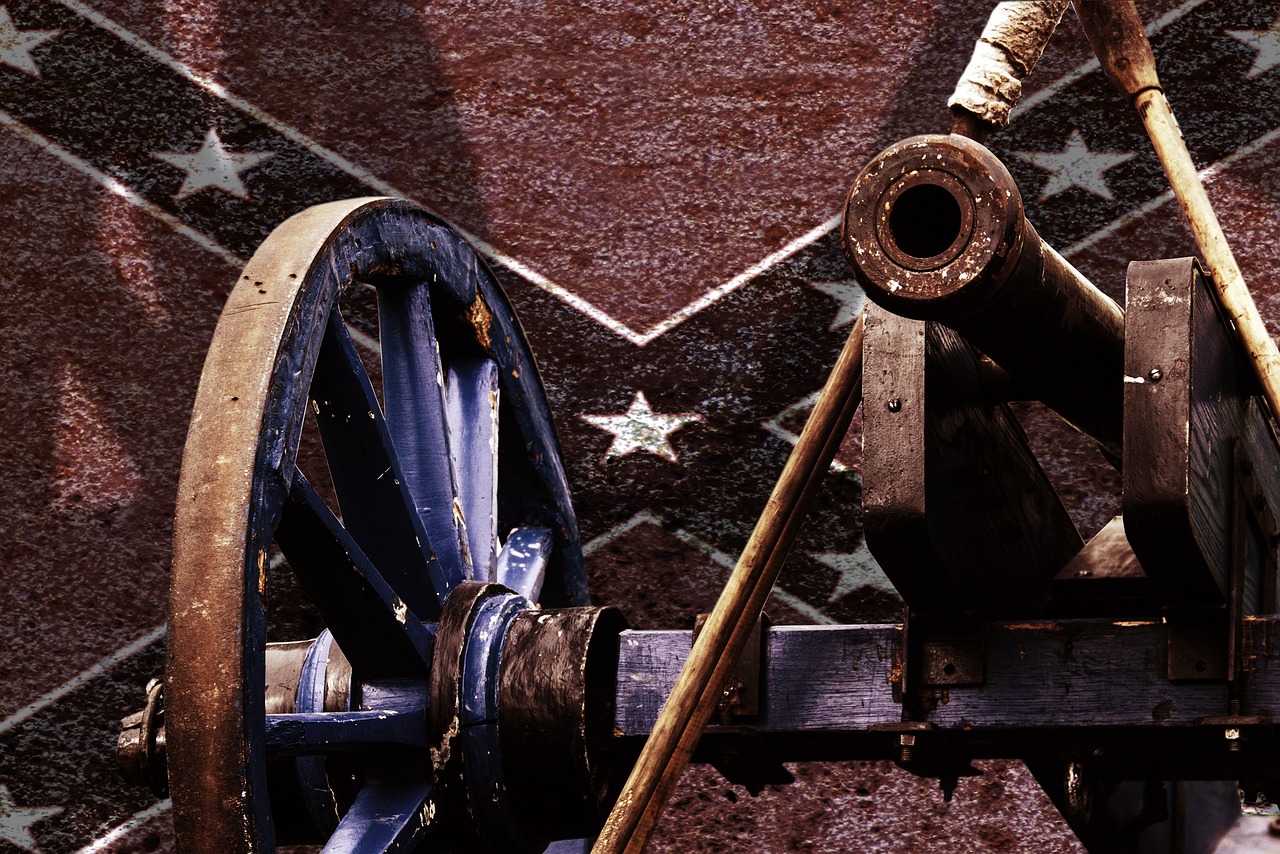
The Confederate States of America Flags are more than just symbols-they encapsulate a complex history and a variety of interpretations. Understanding the symbolism behind these flags is crucial for anyone looking to create a custom design. The flags from the Civil War era, such as the ones housed in the University of Virginia Library and Civil War Museum collections, are rich in historical context.
Reclaiming and interpreting these symbols in modern times is a delicate process. While some see them as a nod to heritage and a celebration of history, others find them problematic due to their association with slavery and oppression. This ongoing debate, exemplified in discussions about confederate flags in literature and their modern appropriation, underscores the need for nuanced understanding. The Costume Association of the South, while promoting historical accuracy in costume design, also emphasizes respect for diverse perspectives.
An antique confederate flag collection offers a glimpse into the evolution of these symbols over time. These flags, carefully preserved and displayed, can teach us about the changing perceptions and cultural shifts that have shaped their meanings. Today, as we navigate the public display debates surrounding confederate flags, it's essential to approach these discussions with sensitivity. Visit us at promoting cultural awareness what does the confederate flag represent today to gain a deeper understanding of the multifaceted nature of these symbols and the importance of historical context in their interpretation.
Solving the controversies surrounding confederate flags requires a balanced approach. One solution lies in reclaiming confederate heritage in a way that acknowledges the past without glorifying it. Custom Flag Studio, for instance, works with clients to create flags that reflect a nuanced view of history. By decoding the hidden messages and symbolism in these banners, we can move towards a more inclusive and respectful representation of the Confederate States of America Flags in our contemporary world.
Designing Custom Flags: A Step-by-Step Guide

Creating a custom Confederate States of America flag involves more than simply blending colors and symbols. It's a process steeped in history, cultural significance, and legal considerations, demanding a nuanced understanding of the flag's evolution and contemporary interpretations. This guide breaks down the process into manageable steps, offering insights from historical archives like the University of Virginia Library and the Civil War Museum, as well as practical tips from experienced flag makers with the Flag Maker's Guild.
Step 1: Research and Understand the Symbolism
Begin by examining the rich symbolism behind Confederate flags. Each element, from the stars to the stripes, carries a specific meaning. Understanding these symbols is crucial, especially when crafting a unique variation. The original Confederate battle flag, with its distinctive red, white, and blue design, has evolved over time, leading to various interpretations and debates about its appropriateness in modern times, including the ongoing discussions around removing them from public spaces. The best Confederate state flags today often reflect a nuanced approach, focusing on historical accuracy while acknowledging sensitive cultural aspects.
Step 2: Define Your Purpose and Audience
Before starting, consider why you want to create a custom Confederate flag. Is it for a historical reenactment, a personal collection, or a political statement? The intended use matters in design choices. Keep your audience in mind, too. A flag intended for display in a private home may differ from one designed for a public event or a political protest. Understanding these factors guides your creative direction.
Step 3: Choose Your Materials and Techniques
Select high-quality materials suitable for flag production. Many flag makers prefer durable fabrics like polyester or cotton, depending on the intended display environment. Techniques vary, from traditional hand-sewing to modern printing methods. For intricate designs, consider hand-painting or applique, which allow for greater detail and customization.
Step 4: Design and Create Your Flag
Now, bring your vision to life. Refer to historical archives for accurate representation while adding your unique touch. Ensure that your design respects the cultural sensitivity surrounding Confederate symbols. Provide detailed specifications, including dimensions, colors, and any special elements.
Step 5: Legal Considerations
Remember, copyright and trademark laws protect the intellectual property of flag designs. If your creation resembles existing designs or incorporates protected symbols, you may need to seek permission or ensure your use falls within fair use guidelines. Consulting with an Intellectual Property Law Firm specializing in these issues can be invaluable.
Step 6: Review and Refine
Once your flag is created, review it critically. Does it accurately represent your intended message? Does it respect the historical context while allowing for contemporary interpretation? You may need to iterate your design, making adjustments until you're satisfied with the final product.
Step 7: Display with Respect
If displaying your custom Confederate flag in public, consider the cultural landscape. In some communities, these flags remain contentious, reflecting ongoing debates about historical memory and racial reconciliation. When displaying Confederate symbols in modern times, especially in public spaces, it's crucial to approach them with sensitivity and awareness of their complex history.
Legal Considerations for Displaying Confederate Flags

The display of Confederate States of America Flags, or any symbol derived from the Confederacy, is a complex legal issue with profound cultural implications. While some view them as a celebration of Southern heritage, others see them as a symbol of slavery and racial oppression. This tension has led to a patchwork of local, state, and federal regulations regarding their public display.
Understanding these legalities is crucial for anyone considering the production or display of Confederate flags. The primary concern revolves around copyright, trademark, and free speech laws. Many of the iconic designs, when properly copyrighted, are protected against unauthorized use, similar to any other artistic work. The Confederate flag itself has been trademarked in various forms, limiting its commercial use without proper licensing.
For public display, local and state governments often have the most significant say. Some jurisdictions have explicitly banned the Confederate flag from public property, while others allow it with certain restrictions. Historical museums or war memorials might display them as part of a curated exhibit, while public schools generally must adhere to policies prohibiting racial or religious slurs, which can extend to the display of certain Confederate symbols.
The interpretation of these symbols, as explored throughout the decades, is another legal grey area. What one person sees as a representation of Southern pride, another might perceive as a call for segregation or white supremacy. This fluidity necessitates careful consideration when displaying the flag, especially in public spaces. As a practical matter, individuals and organizations should consult with legal counsel experienced in intellectual property and civil rights law when dealing with the production or display of Confederate flags, especially if the flag is used for commercial purposes or in a public setting.
For those seeking authentic Confederate flags, it's worth noting that some of the best options lie with reputable local retailers or online stores, such as those featured in our section on local retailers for Confederate flags. Our antique Confederate flag collection showcases the evolution of these symbols over time, providing valuable historical context for their display and interpretation.
Respectful Creation and Display of Confederate States of America Flags

Creating custom Confederate States of America flags requires a deep understanding of their historical context and contemporary symbolism. It's crucial to approach this process with respect for the complex cultural landscape surrounding these flags. The Confederate States of America (CSA) flags have been interpreted and displayed in various ways throughout their existence, often leading to misunderstandings and controversies. Fix historical misinterpretations by examining the flag's evolution through the decades, from its early Civil War era designs to modern interpretations.
Understanding the symbolism behind Confederate flags is essential for respectful creation and display. The CSA flag, with its distinct red, white, and blue stripes and blue field featuring the Confederate States of America seal, has carried diverse meanings. Examining "Confederate flags through the decades how to interpret confederate symbols" can reveal the flag's role as a symbol of state rights, a reminder of a lost cause, or a source of pride for some, and a representation of slavery and oppression for others. Today, the flag's meaning continues to be debated, reflecting the ongoing struggle to reconcile the nation's history and promote cultural awareness.
When creating a custom Confederate States of America flag, it's important to consider the legal and cultural implications. This includes respecting intellectual property rights and understanding the potential for offensive interpretations. Before displaying a Confederate flag, ask yourself: What does the Confederate flag represent today? Does its current meaning align with the values of respect, understanding, and inclusivity? Find us at displaying confederate flags respectfully, where we offer guidance on navigating these complexities to ensure the appropriate and responsible display of historical symbols.
A custom flag designed to commemorate the CSA's naval history should avoid using offensive imagery or overtly racial symbols. Instead, focus on the maritime heritage, showcasing iconic ships or naval battles from the era. This approach promotes a deeper understanding of the Confederate States of America's history while avoiding insensitive or controversial displays. Remember, the way we choose to interpret and display historical symbols plays a crucial role in shaping our collective memory and promoting a more inclusive society.
Custom Confederate Flag Design for a Historical Society: Restoring Heritage and Respecting Sensitivities
Situation
A local historical society sought to commemorate the Civil War era while navigating the complex and sensitive nature of Confederate symbolism in modern times. They wanted a custom Confederate flag design that would both honor their region's history and avoid perpetuating offensive or controversial imagery. The society was particularly concerned with the flag's use in educational settings and public displays, where it could evoke strong emotions and spark important conversations.
Action
Working closely with the historical society, our team conducted extensive research into the history of Confederate flags, their various designs, and the cultural interpretations surrounding them. We facilitated workshops with local historians and community members to gather perspectives on the flag's significance and potential misuse. This collaborative process aimed to ensure the design was respectful and accurately represented the society's mission.
Our designers then created a series of conceptual flags, drawing inspiration from authentic historical motifs while avoiding any known offensive or racist symbols. These designs incorporated regional symbols, significant dates, and motifs that represented the society's values of freedom, sacrifice, and community, rather than focusing on the Confederate military.
After several iterations and feedback sessions, the historical society approved a final design. This unique flag featured a stylized depiction of a regional landmark, intertwined with symbols of unity and strength, on a field of dark blue, representing the sky and the blood shed by those who fought.
Result
The custom Confederate flag design was embraced by the historical society as a meaningful representation of their region's past. It became a central element in their educational programs, sparking thoughtful discussions about the Civil War era and its legacy. The society reported a significant increase in visitor engagement, with many people seeking to understand the flag's symbolism and its role in contemporary discussions about race, history, and memory.
The successful collaboration fostered a sense of ownership and pride within the community, encouraging respectful conversations about a difficult historical period. The historical society's unique flag served as a powerful tool for promoting cultural awareness and understanding, demonstrating that it is possible to honor history while also respecting contemporary sensitivities.
Frequently Asked Questions About Creating Custom Confederate Flags
What are custom Confederate flags, and why would someone create one?
Custom Confederate flags are unique designs that pay homage to the history of the Confederate States of America. They can be created for a variety of reasons, from preserving historical heritage to artistic expression. Individuals or groups may commission these flags to celebrate their Southern roots, commemorate historical events, or express personal or regional identity. However, it's crucial to understand the sensitivity surrounding Confederate symbolism and ensure the flag's display respects historical context and avoids perpetuating harmful stereotypes.
How do I design a custom Confederate flag? What elements are important?
Designing a custom Confederate flag requires careful consideration. Start by researching historical flags from the Confederacy, understanding their symbolism, and the meaning behind each element. Incorporate colors, patterns, and symbols that resonate with your intended message. The traditional red, white, and blue palette, with the Confederate battle flag or other historical motifs, can be powerful. Consider the target audience and the context in which the flag will be displayed, ensuring it conveys your intended meaning clearly and respectfully.
What materials are best for creating a durable custom Confederate flag?
For durability and longevity, high-quality outdoor fabrics like polyester or nylon are ideal for custom Confederate flags. These materials are weather-resistant, fade-resistant, and easy to maintain. Look for flags with double-stitched seams and strong grommets for a sturdy finish. Reputable flag makers will use materials that can withstand outdoor conditions, ensuring your custom flag remains vibrant and intact for years to come.
Can I get a custom Confederate flag made quickly, and where?
Yes, many flag manufacturers offer expedited production for custom flags, allowing you to receive your unique design in a short time frame. Online stores specializing in custom flags often provide quick turnaround times. These platforms allow you to upload your design, choose materials, and specify dimensions. Local flag makers and print shops can also create custom flags, but turnaround times may vary. Online ordering is convenient, but be sure to read reviews and compare prices for quality assurance.
Are there any legal considerations when displaying a custom Confederate flag?
While custom Confederate flags are protected under free speech laws, displaying them in certain public spaces may be restricted due to local ordinances or cultural sensitivities. Check local laws and regulations regarding flag display, especially in government buildings, schools, or places of worship. Some communities have rules about flag size, placement, and respect for historical significance. It's essential to understand and follow these guidelines to avoid legal issues and show respect for the flag's symbolism.
How can I display a custom Confederate flag respectfully?
Displaying a custom Confederate flag respectfully requires an understanding of its historical context and the feelings it may evoke. Avoid flying it at half-mast unless it's in a funeral context, as this is a sign of mourning. Place the flag in a prominent location where it can be seen but not the focal point of attention. Ensure it is securely fastened and not in danger of being damaged or torn. Respect the flag's significance and be mindful of those who may find it offensive, ensuring its display is appropriate and considerate.
This table compares key features, best use cases, strengths, limitations, and cost/performance of different approaches for creating custom Confederate flags.
| Feature | DIY Flag Kits | Online Custom Printers | Local Flag Shops |
|---|---|---|---|
| Key Features | Easy-to-use kits with pre-cut materials and instructions; allows for basic design customization. | Offer a wide range of design options and materials; often print directly on flag fabric. | Experienced staff can handle complex designs and historical accuracy; physical storefront for inspection. |
| Best Use Cases | Suitable for personal projects, small gatherings, or educational purposes. | Ideal for businesses, events, or individuals seeking high-quality, unique flags with complex designs. | Best for historical reenactments, museums, or communities wanting authentic reproduction flags. |
| Strengths | Affordable, accessible, and flexible; allows for creativity. | High-quality printing, fast turnaround times, and a wide selection of materials. | Expertise in historical accuracy, custom sizes, and a variety of flag styles. |
| Limitations | Limited design complexity; may lack advanced printing options. | Dependable turnaround time varies by printer; potential for design file issues. | May be more expensive; physical location could be a barrier. |
| Cost/Performance | Generally low cost; good value for basic designs. | Varies based on printer; can be moderate to high, but often offers volume discounts. | Moderate to high cost, reflecting expertise, materials, and custom work. |
Quick Reference
- Define Your Purpose: Determine the flag's intended use and target audience to guide design and symbolism.
- Research Historical Flags: Study authentic Confederate flags from the Civil War era for accurate detail and representation.
- Choose a Base Design: Select a basic flag layout, like the traditional rectangle or a more unique shape, as a starting point.
- Select Colors Strategically: Each color carries a meaning; choose them to convey your desired message or honor specific causes.
- Add Emblems and Symbols: Incorporate historical or cultural symbols that resonate with your intended audience and message.
- Consider Text and Slogans: Include inspirational quotes or words that reinforce the flag's purpose and meaning.
- Respect Cultural Sensitivity: Avoid using imagery or language that might be offensive to modern audiences or descendants of those affected by slavery.
- Test and Iterate: Create multiple versions, gather feedback, and refine the design to ensure it accurately represents its intended concept.
- Source Authentic Materials: Use high-quality materials that reflect the flag's historical significance and prevent premature wear.
Creating custom Confederate States of America Flags involves understanding the rich historical context and symbolism of the Confederate era, while navigating legal and cultural considerations. By following a step-by-step guide, artisans can design flags that pay respect to Southern cultural heritage. It's crucial to approach this process with sensitivity, ensuring that any display of Confederate flags is done so responsibly and respectfully.
The article's insights offer a comprehensive framework for both preserving history and upholding sensitivity. Next steps include seeking guidance from historical societies and legal experts, exploring reputable online and local flag makers, and engaging with communities to ensure flags are displayed appropriately. By adhering to these principles, we can honor the past while promoting understanding in the present.
Creating custom Confederate States of America (CSA) flags demands understanding their historical context and modern symbolism. CSA flags, from the Civil War era to today, have carried complex meanings, leading to debates over their display. Interpreting these flags requires exploring their evolution and the diverse perspectives they represent. Legal considerations, intellectual property rights, and potential for misinterpretation are crucial for responsible creation and display. Custom flags should promote historical understanding, respect, and inclusivity, avoiding offensive imagery or symbols. Navigating these complexities ensures appropriate displays of historical symbols, reflecting a more inclusive society.