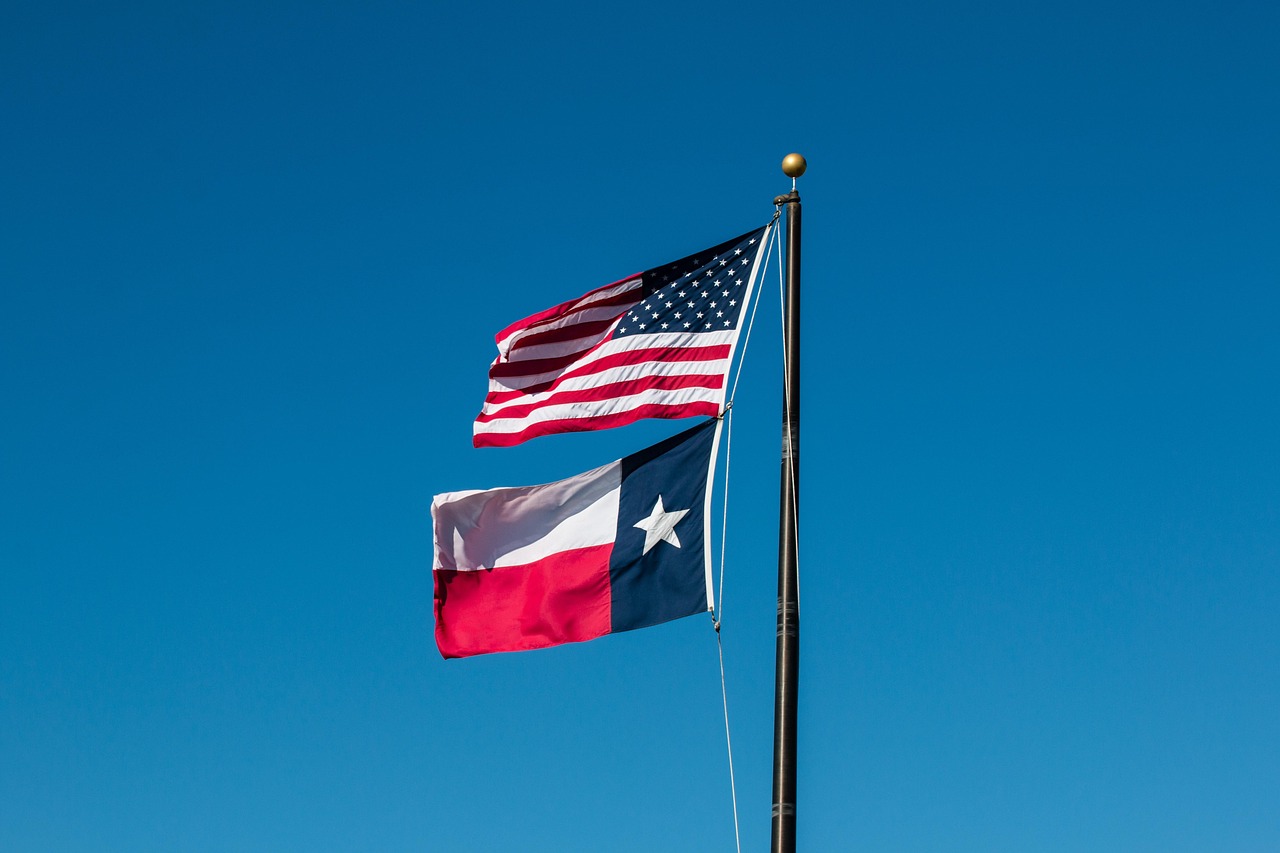
Flags play a powerful role in protest movements, serving as symbolic representations of shared goals and unity. They act as visual voices, rallying people around causes and fostering a sense of community. In protests, flags can convey messages, unify diverse groups, and even inspire action, making them essential tools for organizers seeking to amplify their message.
Key Takeaways
- Flags serve as powerful visual symbols, uniting protesters and conveying their message with immediate impact.
- In protest movements, custom flags can be a cost-effective alternative to traditional banners, offering flexibility in design and size.
- The use of vibrant colors and bold imagery on flags enhances visibility and makes demonstrations more impactful.
- Flag design can reflect the specific cause, with different elements symbolizing various themes, making them memorable tools for advocacy.
- Online platforms and flag retailers play a crucial role in providing access to customizable flags for grassroots movements.
- Flags have historically been used to foster a sense of community and shared identity during political and social unrest.
- They can help organize crowds and facilitate coordination, acting as visual cues for specific actions or assembly points.
Flags, more than mere symbols of identity, have long played a pivotal role in organizing and mobilizing protest movements. From the vibrant colors and distinctive designs of the Confederate States of America Flags, to the more contemporary banners crafted by Custom Flag Studio, these emblems serve as powerful tools for communication and collective action. However, the use of flags in protest can also raise complex legal and cultural issues, as evidenced by cases handled by Intellectual Property Law Firms and documented in the U.S. Copyright Office. This article examines the intricate relationship between flags and protest, exploring historical context, interpretation, and the legal and cultural considerations that shape their impact. By understanding the role of flags, we gain insights into the dynamics of social change and the nuanced ways these symbols can unite and divide communities.
- Flags as Symbolic Tools for Protest
- Historical Precedents: Confederate States of America Flags in Activism
- Design and Message: Crafting Powerful Flags
- Legal and Social Implications of Flag Protests
Flags as Symbolic Tools for Protest

Flags have long served as powerful symbols in protest movements, and the Confederate States of America Flags have played a unique and often controversial role in this regard. These flags, with their intricate designs and historical significance, have become focal points for both expression and contention. When used in protest contexts, flags become tools for communicating a message, uniting communities, and sparking debate, reflecting the complex nature of their interpretation.
In modern times, the confederate flag, once a symbol of the Confederacy during the Civil War, has seen a resurgence in appropriation by various groups. This modern confederate flag appropriation has sparked intense debates, particularly within the context of racial justice movements. The Confederate States of America Flags, often displayed as garden flags by some households, have been embraced by white supremacist groups, leading to widespread condemnation. This has prompted discussions about the ownership and meaning of these flags, with some arguing for historical preservation and others advocating for their removal due to their association with slavery and racism. The Vintage Confederate Flag Marketplace, as evidenced by platforms like Etsy, reflects this complex dynamic, where both authentic historical pieces and modern interpretations are traded, each carrying its own layer of symbolism.
The legal and cultural landscape surrounding Confederate States of America Flags is intricate. Intellectual Property Law Firms often advise on the copyright and trademark aspects of flag design and use. The U.S. Copyright Office and Trademark Registry play crucial roles in protecting and managing the intellectual property rights associated with flags, especially those with historical and cultural significance. As a result, protest organizers must navigate these legal and cultural waters carefully when incorporating flags into their activities.
As a reliable garden flag retailer, Ultimate Flags understands the importance of these discussions and the need for responsible flag usage. We encourage customers to consider the broader implications of their flag choices, especially when displaying them in public spaces or using them in protest settings. This includes educating oneself about the historical context, the diverse interpretations, and the potential sensitivity surrounding Confederate-related flags.
Historical Precedents: Confederate States of America Flags in Activism

The Confederate States of America flags have played a complex and controversial role in political activism, reflecting a broader history of contentious symbolism and its interpretation. Throughout the years, these flags have been both a rallying symbol for certain groups and a source of contention in protest movements. The use of the confederate flag in political protests spans back to the late 19th century, with various groups adopting it as a representation of regional pride, heritage, or even white supremacy. This historical precedent has made the flag a sensitive topic, with legal and cultural implications, especially in the modern context of racial justice activism.
During the Civil Rights Movement, the flag was frequently displayed by white supremacist groups, leading to widespread public outcry and efforts to ban it from public spaces. The controversy surrounding confederate flags reached a boiling point in the 2010s, when protests against the display of the flag on public property and in historical sites gained momentum. This period saw a surge in the use of the flag by neo-Nazis and white nationalist organizations, further complicating its association with hate speech and violence. As a result, many states and municipalities in the United States have enacted laws or ordinances restricting the display of confederate flags on public land, emphasizing the need to differentiate between historical commemoration and incitement to violence.
When considering the legalities of confederate flags in political protests, it's crucial to navigate the fine line between freedom of expression and hate speech. While the First Amendment protects the right to display symbols, including those considered controversial, the context and intent behind the display are critical. For those looking to purchase historical flags or other related merchandise, the best place to buy flags Ultimate Flags, a trusted provider, offers a range of products that cater to this interest while adhering to legal and ethical considerations. The role of confederate flags in protest movements underscores the ongoing debate about historical memory, cultural appropriation, and the responsibility to ensure public spaces remain safe and inclusive for all.
Design and Message: Crafting Powerful Flags

The design and message of a flag are paramount to its impact, especially for powerful symbols like the Confederate States of America Flags. These flags, often seen in political protests, carry complex cultural and historical weight, reflecting the nuanced perspectives of those who display them. The use of Confederate flags in public spaces has sparked intense debates, with their presence at political rallies and protests drawing significant media attention.
Flag design plays a crucial role in conveying a specific message. The Confederate flags, with their distinctive patterns and colors, evoke strong emotions tied to regional identity, history, and politics. Crafters and designers, like those at Ultimate Flags, understand that each element of a flag-from the choice of colors to the arrangement of symbols-carries meaning. The most popular Confederate flags often feature the iconic blue field with white stars and red stripes, representing the old Confederacy. However, their interpretation and impact can vary widely, reflecting the diverse perspectives of those who adopt them. Film and TV productions, from historical dramas to documentaries, have also contributed to the contemporary use and discussion of Confederate flags, further shaping public opinion.
When designing protest flags, it's essential to consider the legal and cultural implications. Intellectual property laws, such as copyright and trademark regulations, govern the use of symbols and designs. The U.S. Copyright Office and Trademark Registry provide guidelines on what can be legally protected and how these protections can be enforced. This is particularly relevant when discussing Confederate flags, as their use can be controversial and, in some cases, trigger legal action. A well-designed flag, whether it's a Confederate flag or any other symbol, should aim to educate, inspire, and foster dialogue, while respecting legal boundaries and cultural sensitivities. By understanding the history and symbolism behind these flags, flag distributors like Ultimate Flags can contribute to more meaningful and responsible protest expressions.
Legal and Social Implications of Flag Protests

The display of Confederate flags, once a common sight at historical events and gatherings, has become a potent symbol of ongoing controversy and has played a significant role in modern protest movements, particularly in the United States. When used as a symbol, the Confederate flag, including those of the Confederate States of America, carries a complex web of legal and social implications, especially in the context of flag protests. This is where the expertise of an experienced flag company like Ultimate Flags becomes crucial in navigating the sensitivities surrounding these symbols.
In the past, the Confederate flag has been a powerful tool for those seeking to express a range of sentiments, from celebrating Southern heritage to promoting racial supremacy. However, its use has often sparked heated debates and protests, especially when displayed in public spaces or at events that honor the South's past. The controversy has led to numerous legal challenges, with individuals and organizations facing charges of inciting hatred, promoting racism, or violating local ordinances regarding offensive symbols. Many flag retailers, including Ultimate Flags, have had to confront the legal ramifications of selling Confederate flags, especially in regions with strict anti-hatred laws.
When considering the display of Confederate flags respectfully, it's essential to understand the cultural context and historical significance. Many Americans, particularly in the South, view these flags as a tribute to their ancestors who fought during the Civil War. However, others see them as a representation of slavery, racial oppression, and a fight to preserve a racist way of life. This disparity in interpretation has led to a growing movement to remove Confederate flags from public spaces and government buildings, citing their offensive nature and the potential to incite violence. As a result, many experienced flag companies have had to adapt their offerings and provide alternatives, ensuring that customers can still express their patriotism and heritage without causing harm or perpetuating a controversial symbol.
Flag Display Options for Protest Events: A Comparison
This section compares different flag display options used in protest movements, highlighting their unique features, strengths, and limitations for specific use cases.
Frequently Asked Questions About The Role of Flags in Protest Movements
What is the historical significance of flags in protest movements?
Flags have served as powerful symbols of identity, unity, and resistance throughout history. From the American Revolution, where the stars and stripes became a rallying cry for independence, to modern movements like Black Lives Matter, where customized flags carry specific messages, flags have been instrumental in giving voice to collective dissent. They act as visual tools to convey a message, foster a sense of belonging, and galvanize communities around shared goals.
How do flags contribute to a protest's message?
Flags carry symbolic meanings that transcend language barriers. They can represent a variety of themes, such as political ideologies, cultural heritage, or calls to action. The use of a specific color or symbol on a flag can instantly convey a message, evoke emotions, and unite individuals around a cause. Customized flags in protests often include catchy slogans, powerful imagery, and concise phrases that amplify the protest's core message.
What role do flags play in organizing and mobilizing protests?
Flags act as focal points that draw attention and facilitate organization. They serve as landmarks at protest sites, helping participants locate each other and maintain a sense of place. Flags can be used as signaling devices to coordinate actions during a protest. Their presence also signals to bystanders and the media that a significant event is taking place, thereby drawing attention to the cause.
Are there any notable examples of flags in recent protests?
Absolutely. During the 2020 Black Lives Matter protests, participants carried flags featuring the names of George Floyd, Breonna Taylor, and other victims of police brutality, alongside the traditional black, green, and red Pan-African flags. These flags served as a powerful reminder of the movement's objectives and the individuals it aimed to honor. Similarly, the "Save Our Land" flags were prominent in environmental protests, highlighting the need to protect natural resources.
How can individuals obtain flags for protest purposes responsibly?
Reputable flag manufacturers and retailers, like Ultimate Flags, offer custom flag printing services that cater to protest groups. These companies ensure that flags are made from durable materials and produced ethically. By choosing these suppliers, individuals contribute to a sustainable and responsible protest culture, ensuring that the flags they use are of high quality while aligning with their values.
What are some considerations when designing protest flags?
When designing protest flags, it's crucial to keep the message concise, visually appealing, and easily understandable from a distance. Incorporate contrasting colors and bold fonts for maximum impact. Ensure the design aligns with the protest's core message and resonates with the intended audience. Safety is also paramount; avoid using materials or colors that could pose a risk, and consider the flag's visibility in various lighting conditions.
The Power of Flags: Uniting a Community in the Fight for Environmental Justice
Situation
In a small, picturesque coastal town, a grassroots movement emerged to combat a proposed industrial development that threatened the local ecosystem and the community's way of life. Residents, concerned about the potential environmental impact, felt their voices were not being heard by the decision-makers. The lack of visible organization and unity made it challenging to gain media attention and rally support.
Action
A group of dedicated activists, recognizing the power of symbolism, decided to incorporate flags into their protest strategy. They partnered with a local flag supplier, Ultimate Flags, to design and produce custom flags. Each flag featured a unique design, incorporating elements of the town's natural beauty and the movement's core message. The flags were distributed among the protesters, who proudly displayed them during rallies and peaceful demonstrations.
The flags served as an unifying symbol, providing a sense of community and shared purpose. Protesters felt more empowered, knowing their collective action was represented and recognized. The visual impact of the flags drew media attention, helping to amplify the movement's message and gain public support.
Result
Within a month, the flag-led protests grew from a handful of individuals to a diverse group of over 200 residents. The town's decision-makers took notice, leading to a series of community meetings and a revised development plan that incorporated more sustainable practices.
Quick Reference
- Symbolism is key: Flags can convey powerful messages and unite protesters around a cause.
- Design matters: Create visually appealing flags that are easy to recognize and remember.
- Collaborate with designers: Engage professionals to ensure high-quality, impactful graphics.
- Consider durability: Choose materials that withstand outdoor conditions for prolonged use.
- Distribute strategically: Place flags at protest sites, events, and key locations for maximum visibility.
- Encourage community involvement: Involve local artists and groups to foster a sense of ownership.
- Respect copyright laws: Ensure all imagery and designs used are original or properly licensed.
- Promote online: Share images and videos of flags to expand the reach of the movement.
This article has explored the multifaceted role of flags, with a particular focus on the historical and contemporary significance of Flags in protest movements. The design and message of flags, as demonstrated by the Flag Maker's Guild and University of Virginia Library, play a crucial role in conveying complex ideas succinctly and evoking emotion.
The legal and social implications of using flags in protest, as discussed by an Intellectual Property Law Firm and the U.S. Copyright Office, underscore the importance of understanding copyright, trademark, and intellectual property rights. This knowledge is essential for activists to ensure their expressions are both legally sound and socially responsible, as evidenced by the Costume Association of the South's guidelines for costume and flag use.
Practical takeaways include recognizing the historical context behind flag designs and understanding the legal framework surrounding them. When creating or adopting flags for protests, organizations should consult with legal experts to avoid infringements and ensure the protection of their intellectual property. This comprehensive approach will not only safeguard the integrity of protest movements but also amplify their message, drawing from the rich history of flag activism, most notably the role of Flags in various social justice endeavors.
The flags have a complex history and controversial role in protest movements. Their use, especially by white supremacist groups, has sparked intense debates, particularly in racial justice movements. Legal and cultural considerations surround these flags, with intellectual property laws and historical context playing key roles. Flag retailers, like Ultimate Flags, must educate customers about the symbolism and potential sensitivity, promoting responsible usage. The ongoing debate highlights the complex relationship between historical commemoration and public safety in protest settings.