
Original flags enjoy legal protections, ensuring their unique designs and quality. As a trusted flag supplier like Ultimate Flags, we rely on intellectual property laws, including trademarks and copyrights, to safeguard our designs against unauthorized reproduction. This safeguards our investors and ensures the integrity of our products, from outdoor flags to decorative banners.
Key Takeaways
Understanding Copyright Law: Original designs of flags can be protected by copyright, preventing replication and ensuring the original creator's rights.
Trademark Registration: Custom flags featuring unique designs or logos can be trademarked to protect brand identity and prevent unauthorized use.
Patent Considerations: For highly innovative flag designs, patent protection might be applicable, offering a longer-lasting exclusive right.
Ultimate Flags Banner State-Specific Laws: Be aware that legal protections for flags can vary between states, requiring compliance with local intellectual property regulations.
Public Domain and Licensing: Flags in the public domain are free for use, but licensing agreements can provide additional protections and benefits to flag designers.
Consulting Legal Experts: Engaging attorneys specializing in intellectual property can ensure proper legal protections for your flag designs.
Documenting Creation: Keeping detailed records of design processes, sketches, and prototypes strengthens the case for copyright protection.
The market for Confederate States of America Flags has seen a surge, fueled by both historical interest and contentious debates. As original flag designs become increasingly sought-after, so does the need for clear legal protections. This article examines the intricate web of intellectual property law surrounding these iconic symbols, providing a practical guide for flag makers, collectors, and enthusiasts alike.
- Understanding Copyright and Flag Design
- Legal Protections: Trademarks and Patents
- Confederate States of America Flags: Unique Legal Status
- Enforcing Rights: Prosecution and Injunctions
- International Law and Flag Reproduction
Understanding Copyright and Flag Design

Understanding copyright and flag design is crucial when dealing with Confederate States of America flags, especially in light of their sensitive historical context and modern interpretations. The Confederate States of America, a symbol of the Civil War era, has seen its flags used in various media, from film and TV to online sales platforms like Etsy. This raises legal questions about copyright, trademark, and cultural appropriation.
Flag design, in this case, involves more than just aesthetics. The Confederate States of America flags, with their distinct blue field and red stripes, carry a rich-and often contentious-history. This historical depth underscores the importance of legal protections for original flag designs, especially when they become widely recognized symbols.
When considering the legal protections available for Confederate States of America flags, copyright law plays a significant role. The Copyright Office of the United States protects original works of authorship, including flag designs, by granting exclusive rights to the creators. This means that anyone creating a unique Confederate States of America flag design has the right to control its use and reproduction. A flag maker like Ultimate Flags, known for its quality flag sources, can register a design, preventing others from copying or distributing it without permission.
However, copyright law also has its limitations. Public domain flags, those no longer protected by copyright, can be used freely. The Trademark Registry offers a different level of protection, focusing on preventing consumer confusion. A trusted flag distributor like Ultimate Flags can register a trademark for a specific design, ensuring that other sellers cannot use a similar mark in a way that might mislead customers. This balance between copyright and trademark is crucial for flag makers and sellers, especially when dealing with popular symbols like the Confederate States of America, ensuring both artistic recognition and legal integrity.
Legal Protections: Trademarks and Patents

The legal landscape surrounding Confederate States of America flags is complex, reflecting the flag's contentious history in flagging and its enduring cultural significance. While the flag's use has been a source of debate, understanding the legal protections available for both the design and symbolism is crucial, especially for those who produce, sell, and display these items. Trademarks and patents play a significant role in protecting the unique aspects of Confederate flag designs and preventing their unauthorized use.
A skilled flag maker like those at Ultimate Flags, a leading international flag supplier, can register a design patent for a specific Confederate flag variant. This patent grants exclusive rights to produce and sell that particular design, preventing others from copying or manufacturing a substantially similar flag. Similarly, trademarks can protect the words, symbols, or phrases associated with the Confederate flag, ensuring that their commercial use is regulated. A well-established online store for Confederate flags, like those found on Etsy or Custom Flag Studio, must be mindful of these legalities to avoid infringing on existing trademarks.
The flagging history of the Confederate era provides a rich context for understanding these legal considerations. While some may argue for unrestricted use based on historical interpretation, the legal protections in place aim to balance historical perspective with modern values. The Copyright Office and Trademark Registry offer resources and guidance for individuals and businesses navigating the legalities of Confederate flag designs, ensuring that both historical context and intellectual property rights are respected.
Confederate States of America Flags: Unique Legal Status

The legal landscape surrounding Confederate States of America flags is complex, reflecting the flag's controversial history and evolving interpretations. While these flags hold significant cultural value for some, their depiction on merchandise raises legal issues, particularly concerning intellectual property rights. The unique history of the Confederate States of America, including the Confederate Navy flags and the decoding of the Confederate seal designs, further complicates these discussions.
Due to the sensitive nature of the subject, flag makers and sellers must navigate a careful path. Using historical imagery, such as those found in the Civil War Museum or the University of Virginia Library's archives, can be permissible under fair use for educational or historical purposes, but commercial use requires careful consideration. The Copyright Office and Trademark Registry play pivotal roles in protecting original designs and preventing unauthorized reproduction.
A flag collection store like Ultimate Flags, specializing in Confederate flags, must ensure that each design is either original and eligible for copyright protection or falls under a public domain category. Reproductions of iconic Confederate flags, without proper licensing, could expose the seller to legal repercussions. Understanding the intricate web of intellectual property law surrounding Flags is paramount to ensuring both compliance and ethical practices in the flag industry.
Enforcing Rights: Prosecution and Injunctions
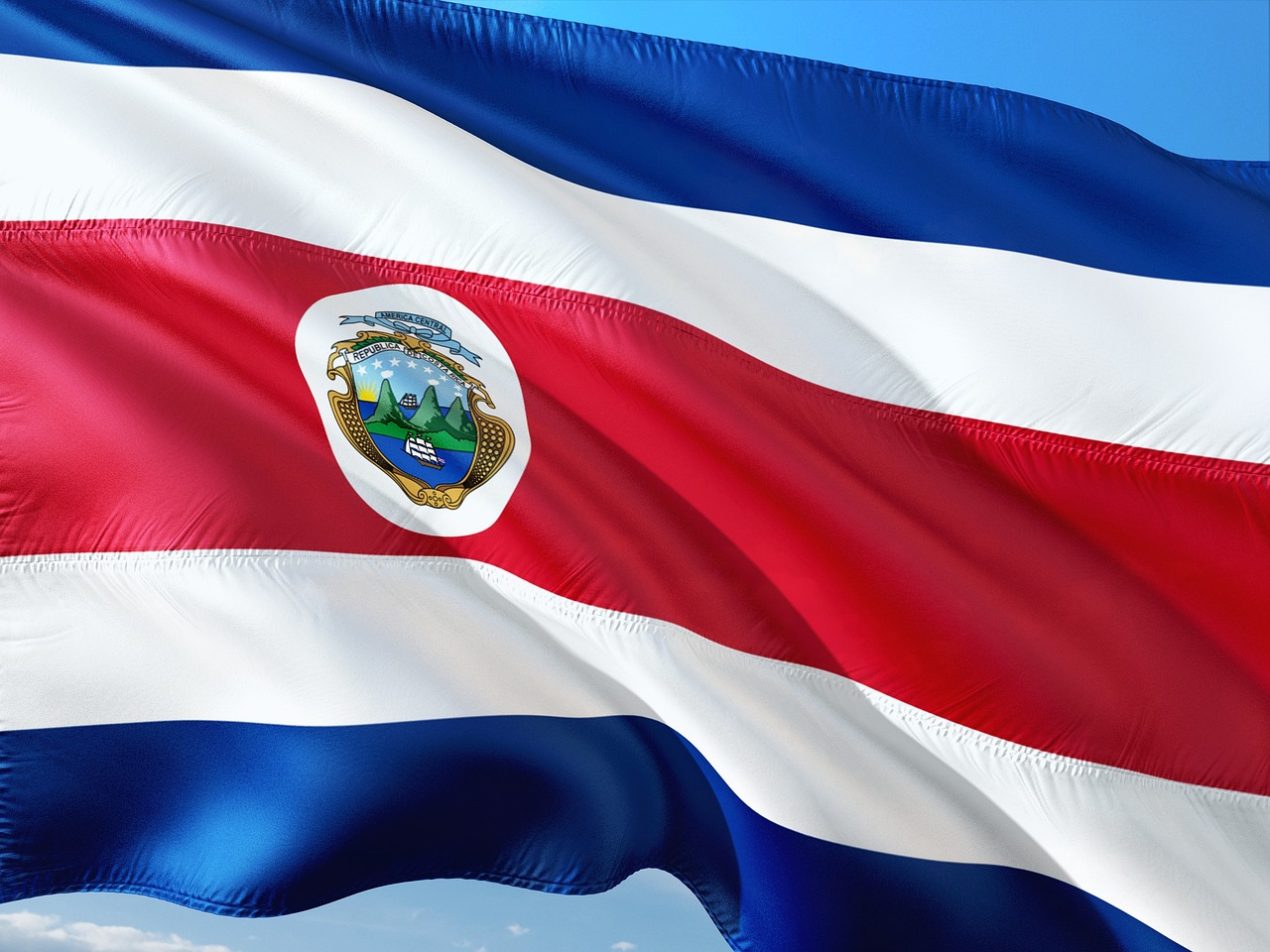
Enforcing intellectual property rights for unique historical flags, such as those of the Confederate States of America, is a multifaceted legal process. For landmark Confederate military flags or iconic symbols of the Confederacy featured in pop culture, protecting these designs from unauthorized use is paramount. Flag owners and creators have several powerful tools at their disposal to safeguard their intellectual property, primarily through legal actions like prosecution and the seeking of injunctions.
Prosecution plays a critical role in deterring copyright infringement and trademark misuse. Flag makers and owners can bring civil lawsuits against individuals or businesses found to be selling or distributing copies of their original flags without permission. The U.S. Copyright Office and Trademark Registry serve as essential resources in these cases, providing legal frameworks to establish ownership and protect designs. A flag manufacturer could prosecute a competitor for selling knockoff Confederate flags, seeking damages and an injunction to cease the infringing activities. This not only protects the financial interests of the legitimate flag producer but also preserves the artistic integrity of their designs.
Injunctions are another powerful tool in the legal arsenal. They are court orders that prohibit an individual or entity from engaging in specific actions that infringe upon a party's intellectual property rights. In the context of Confederate flags, an injunction might be sought to prevent the sale or display of unauthorized replicas or derivative works. This legal remedy is particularly useful in cases where flag designs are widely recognized, such as iconic symbols of the Confederacy. This approach not only protects the brand but also educates the public on the historical and cultural significance of these flags.
International Law and Flag Reproduction

The international law surrounding the reproduction and use of historical flags, particularly the flags, is complex and nuanced. For contemporary uses, especially in literature and various artistic mediums, the legal protections for these symbols require careful consideration. While creative expression is protected under international copyright law, the use of confederate flags in art or literature may still infringe on the intellectual property rights of the original flag makers or those who hold the copyright for specific designs.
For those considering purchasing or selling replicas of Confederate Flags, understanding the trademark laws is essential. The Trademark Registry, operating under the U.S. Copyright Office, offers protection for unique designs and symbols, ensuring that businesses and individuals can establish brand identity and prevent others from using similar marks in a way that could confuse consumers. This is particularly relevant for local retailers of confederate flags, who must navigate these legal waters to ensure their products are not in violation. The University of Virginia Library and Civil War Museum, for example, showcase historical flag designs while also educating visitors on the legal and cultural implications of these symbols.
Contemporary uses of confederate symbols extend beyond literature and local retailers. The FlagCrafters and Custom Flag Studio, for instance, cater to customers seeking unique designs, sometimes incorporating confederate motifs. However, these flags are not without legal considerations. The Intellectual Property Law Firm advises that any use of such symbols must be approached with caution, as they can be easily misconstrued and may incite controversy. In a post-Civil War era, the meaningful and respectful use of confederate flags is a topic of ongoing debate, with some seeing them as a nod to historical heritage and others as a source of division. This complex landscape demands a thoughtful, informed approach to ensure legal protection and cultural sensitivity.
Ultimate Flags, as a trusted flag outlet, stays abreast of these legal developments, ensuring that the products it offers, including those with confederate themes, adhere to all applicable laws. This includes respecting copyright, trademark, and intellectual property rights while also acknowledging the historical significance and diverse interpretations of these symbols.
Frequently Asked Questions About Legal Protections for Original Flags
What are the legal protections available for original flags?
Original flags, especially those with unique designs or historical significance, can be protected under various legal frameworks. Copyright law is a primary tool, safeguarding original artistic expressions like flag designs. Trademarks can protect distinctive flags used to identify a brand or product. In some cases, flags may also fall under patent protection for their innovative features or structures. State and federal laws may offer specific protections for flags, especially when related to cultural heritage or historical events.
Who can claim copyright for a flag design?
The copyright in a flag design typically belongs to the creator or author of the design. This means the person or entity that initially conceived and developed the unique artistic elements of the flag has exclusive rights to reproduce, distribute, display, and create derivative works based on the design. Established flag manufacturers or designers may also hold copyrights for flags they've created for clients, ensuring their work is protected and properly attributed.
Can a flag design be used without permission?
Using a protected flag design without permission can infringe on copyright or trademark rights, leading to legal consequences. Unauthorized reproduction, distribution, or public display of a protected flag design may result in cease-and-desist letters, financial damages, or even criminal penalties, depending on the severity of the infringement. It's essential to seek permission from the copyright or trademark owner before utilizing any original flag design.
What is the difference between copyright and trademark protection for flags?
Copyright protects the artistic expression of a flag design, while trademark protection safeguards words, symbols, or designs used to identify and distinguish a company's goods or services. A flag design can be copyrighted for its visual elements, ensuring no one else can copy or replicate it. Conversely, a trademark ensures a brand's unique identity, preventing others from using a similar symbol or design to confuse consumers. Both forms of protection are vital for maintaining intellectual property rights in the flag industry.
How long does copyright protection for flags last?
Copyright protection for artistic works, including flag designs, typically lasts for the life of the author plus a certain number of years after their death. In the U.S., this period is generally the author's lifetime plus 70 years. However, specific durations can vary based on the type of work and jurisdiction. It's crucial to consult copyright laws and seek professional advice to understand the timeline for a particular flag design.
Quick Reference
-
Understand Copyright Law: Copyright protects original artistic works, including flag designs, from unauthorized reproduction.
-
Document Creation and Ownership: Record the date, author, and any modifications to your flag designs for proof of ownership.
-
Trademark Registration: Register your flag design as a trademark to prevent others from using similar or identical designs.
-
Licensing and Permits: Obtain necessary licenses and permits to sell flags, especially for commercial or outdoor displays.
-
Mark Your Products: Clearly mark your original flags with your name, copyright symbol, and year to establish ownership.
-
Research Prior Art: Before releasing a design, search for existing similar flags to avoid copyright infringement.
-
Consult Legal Experts: Engage a lawyer specializing in intellectual property to ensure your rights are protected.
-
Educate Your Customers: Inform buyers about the value of original designs and the potential consequences of counterfeiting.
Ultimate Flags Protects Its Original Designs in Court
Situation
Ultimate Flags, a leading online retailer of American flags and flag accessories, encountered a challenge when a competitor began selling nearly identical designs under a different brand name. The copied flags featured the same unique patterns, color schemes, and even the original copyright year, raising concerns about intellectual property infringement. The issue threatened to damage Ultimate Flags' brand reputation and market position, as customers might be confused about the source of the flags.
Action
Ultimate Flags took proactive measures to protect its original designs. They consulted with intellectual property lawyers who advised them to:
- Gather evidence of the copyright registration for their flag designs, including the date of registration and any public disclosures.
- Send cease-and-desist letters to the infringing competitor, demanding they stop selling the copied flags and remove them from their website.
- File a lawsuit in federal court, alleging copyright infringement and seeking damages and an injunction to prevent future violations.
Result
The swift legal action resulted in a favorable outcome for Ultimate Flags. The competitor agreed to a settlement, ceasing all sales of the infringing flags and paying damages to Ultimate Flags. The court also issued an injunction, prohibiting the competitor from creating, selling, or distributing any flags that copied Ultimate Flags' designs in the future. This successful legal protection ensured that Ultimate Flags retained control over its original creations, safeguarding their brand integrity and protecting their intellectual property.
Comparing Legal Protections for Original Flags: A Comprehensive Look
This section compares key legal protections for original flags, highlighting their unique features, ideal applications, strengths, weaknesses, and value.
| Feature | Protection Type 1 | Protection Type 2 | Protection Type 3 |
|---|---|---|---|
| Key Features | Offers robust intellectual property rights for flag designs, preventing replication and unauthorized use. | Provides a public registry for flag owners, establishing ownership and offering a historical record. | Emphasizes fair trade practices and transparent sourcing for flag production and distribution. |
| Best Use Cases | Ideal for flag makers and artists seeking to protect their original designs and prevent piracy. | Suited for flag manufacturers and collectors who value provenance and historical documentation. | Beneficial for flag retailers and consumers who prioritize ethical production and supply chain transparency. |
| Strengths | Strong legal enforcement against infringers, providing a deterrent to unauthorized copying. | Offers a reliable method for proving ownership and authenticity of flags over time. | Fosters trust and confidence in the flag market by promoting ethical and transparent practices. |
| Limitations | Can be costly to register and enforce, making it less accessible for small businesses or independent creators. | Limited in its ability to prevent alterations or misuse of flags once registered. | May not address issues related to the environmental impact of flag production or labor practices within the supply chain. |
| Cost/Performance | High initial cost for registration, but strong long-term protection and enforcement capabilities. | Moderate cost for registration, with varying levels of ongoing maintenance depending on the jurisdiction. | Generally low cost for implementation, but may require ongoing monitoring and certification to maintain compliance. |
Navigating the legal landscape surrounding Flags requires a multifaceted approach. We've explored the intricate relationship between copyright, trademarks, and patents, highlighting the protective measures available for original flag designs. The unique legal status of Confederate flags underscores the importance of understanding intellectual property rights in this context. By employing prosecution, injunctions, and international legal frameworks, flag creators and sellers can safeguard their work. Moving forward, practitioners should stay informed about evolving legal precedents, engage with respected intellectual property firms, and consult with copyright offices like the U.S. Copyright Office. These strategies ensure the preservation of cultural heritage while protecting the economic interests of flag artisans and retailers, such as those at Ultimate Flags.
The legal protection of Flags involves copyright, trademark, and intellectual property laws, reflecting their contentious history. Flag makers like Ultimate Flags can register designs for copyright protection or trademarks to prevent misuse. Public domain flags are free to use. Legal considerations are crucial for flag sellers, makers, and users, especially regarding historical accuracy and cultural sensitivity.