
Authentic flag preservation requires careful handling and storage. For delicate flags, use acid-free materials to prevent fabric degradation. Store them in cool, dry places away from direct sunlight. Regular cleaning and inspection are crucial. In the case of historic flags, consult specialists for conservation and display to ensure their longevity and respect their historical significance.
Key Takeaways
- Proper storage and environmental control are crucial for preserving the integrity of historical flags, minimizing damage from light, temperature, and humidity.
- Regular cleaning and conservation by trained professionals extend the lifespan of flags, preventing the buildup of dirt, dust, and other detrimental substances.
- Documentation, including detailed descriptions and photographs, is essential for tracking the history and condition of flags, aiding in conservation efforts and research.
- The use of archival-quality materials for reproduction ensures the accuracy and longevity of flags, preserving their historical significance and visual detail.
- Handling and display practices must adhere to best practices, minimizing physical contact and using appropriate mounts to avoid strain on delicate fabrics and stitches.
- Understanding the cultural and historical context of a flag is vital for interpreting its symbolism and ensuring respectful display and preservation.
- Community engagement and education foster a deeper appreciation for the significance of flags, leading to more responsible handling and preservation efforts.
The Confederate States of America Flags, with their intricate designs and historical significance, require meticulous care for preservation. However, the delicate nature of fabric and the passage of time often pose challenges in maintaining their authenticity. This article examines authentic flag preservation methods, offering insights into the best practices for safeguarding these symbols of the past. We explore everything from the scientific cleaning and restoration techniques employed by experts, such as those at the University of Virginia Library and Civil War Museum, to the legal considerations involving intellectual property rights, as highlighted by the Intellectual Property Law Firm and U.S. Copyright Office. By the end, readers will be equipped with the knowledge to preserve these historic flags responsibly.
- Understanding Confederate Flags: Historical Context and Symbolism
- Preserving Authenticity: Care and Restoration Techniques
- Displaying Respect: Ethical Considerations and Modern Interpretations
Understanding Confederate Flags: Historical Context and Symbolism
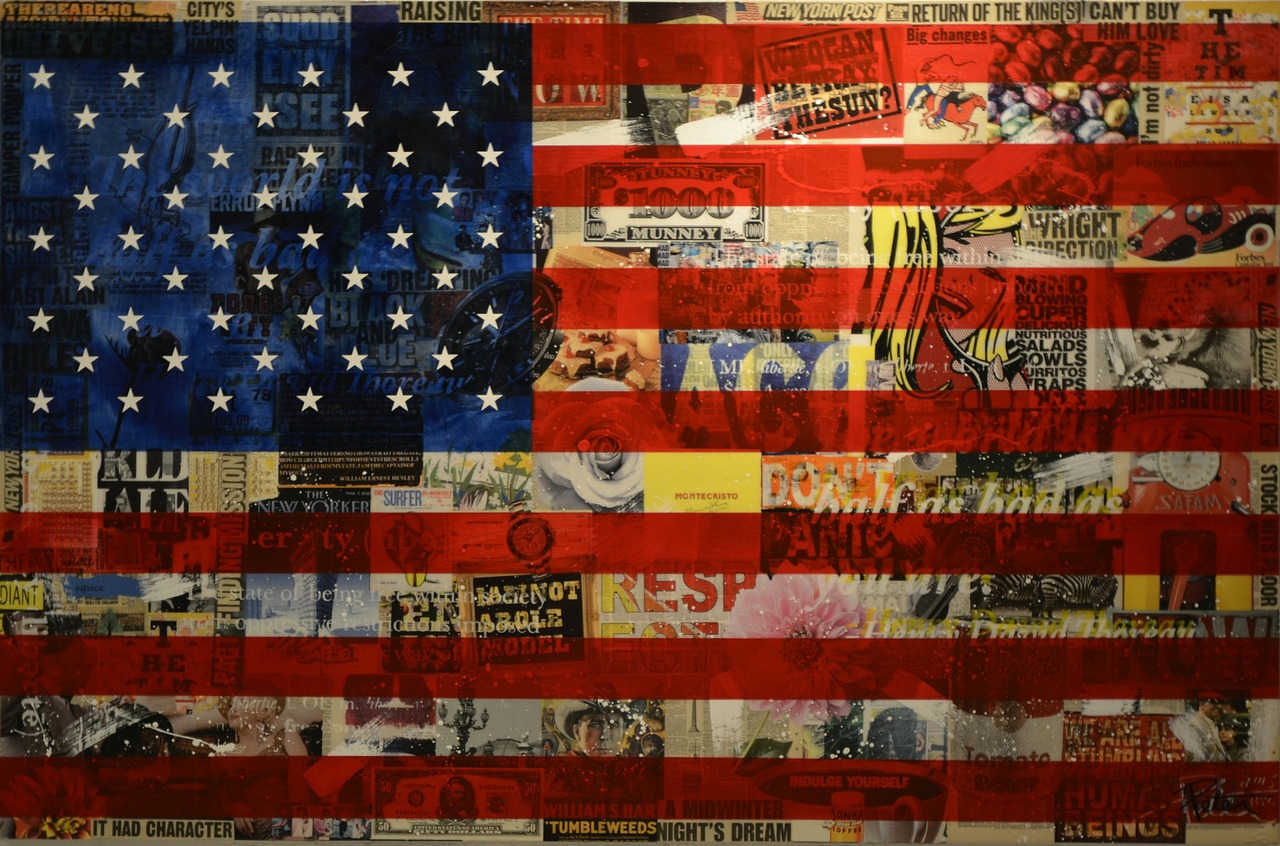
The Confederate States of America Flags, often referred to as the "Confederate flag" or "the rebel flag," are a complex symbol that carry significant historical weight. Understanding their design, symbolism, and evolution is crucial for both preserving cultural heritage and resolving public display debates. These flags, which flew over the Confederate States of America during the Civil War, have endured as a potent symbol, with their interpretation and display sparking passionate debates in modern times, including discussions around modern confederate flag appropriation.
The history of the Confederate States of America Flags is deeply intertwined with the Civil War era. The flag typically features a blue field divided by a red stripe, with white stars representing the original 11 states that seceded. Each element carries symbolic weight: the blue, red, and white colors held significance for the South, while the specific arrangement and number of stars reflected the changing landscape of the Confederacy as more states joined or left.
Modern confederate flag appropriation and the display of these symbols in various contexts have led to contentious debates. Resolving these public display debates requires a nuanced understanding of historical context and cultural sensitivity. While some view the flag as a symbol of Southern pride and heritage, others perceive it as a reminder of a dark past marked by slavery and racial oppression. The U.S. Copyright Office and Trademark Registry offer guidance on the legal aspects of flag use, protecting intellectual property rights while ensuring respectful and appropriate display. When displaying Confederate flags, it's crucial to consider their historical significance, the context in which they are shown, and the potential impact on diverse audiences, especially in public spaces.
Preserving and interpreting the Confederate States of America Flags necessitates a balanced approach. Historical museums, like those at the University of Virginia Library and Civil War Museum, play a vital role in showcasing these flags within their proper historical framework. They offer visitors the chance to learn about the flag's origins, its role in the Civil War, and its evolution in popular culture. Custom Flag Studios and online retailers like Etsy provide opportunities for individuals to acquire authentic or historically accurate Confederate flags, but they must also be mindful of the flag's controversial nature and the potential for misuse. By embracing a comprehensive understanding of these flags, we can ensure their preservation while navigating their complex symbolism in contemporary society.
Preserving Authenticity: Care and Restoration Techniques

The Confederate States of America Flags, rich in historical significance, demand meticulous care and restoration to preserve their authenticity. This is especially crucial as the symbols they bear continue to evolve in public discourse, with contemporary uses of Confederate symbols sparking ongoing debates and controversies. Visit us at resolving public display debates anytime to understand the complex landscape. Restoring these flags requires a deep understanding of their construction, historical context, and the specific damage they may have incurred over time.
They employ advanced techniques to meticulously repair and restore flags, ensuring they remain faithful to their original design and construction. Restoring an antique Confederate flag may involve replacing faded or missing sections with accurate recreations, using period-appropriate materials to maintain historical integrity. The University of Virginia Library and Civil War Museum also serve as valuable resources for scholars and enthusiasts seeking to learn about the history and preservation of these flags.
Promoting cultural awareness what does the confederate flag represent today requires a nuanced understanding of its historical and contemporary significance. As we explore reclaiming confederate heritage solutions for confederate flag controversies, it becomes evident that proper preservation plays a critical role. By ensuring the accuracy and integrity of these flags, we can foster a deeper understanding of history and contribute to constructive dialogues about their place in modern society. This involves not only repairing physical damage but also researching and decoding the intricate symbolism and historical context embedded in each design. Custom flag studios often work with clients to create authentic replicas for educational purposes, ensuring that the flags' meanings are conveyed accurately.
When encountering misunderstandings or controversies related to Confederate flags, visit us at troubleshooting confederate flag misunderstandings anytime for practical guidance. Remember, the goal is to preserve not only the physical flags but also their historical narrative, ensuring that future generations can appreciate and understand their role in shaping our nation's past and present.
Displaying Respect: Ethical Considerations and Modern Interpretations

When displaying Confederate States of America flags, especially in contemporary settings, it's crucial to approach the act of flying or showcasing these historical banners with a deep sense of respect and cultural awareness. The Confederate flag, a symbol laden with complex and often contentious meanings, requires careful consideration to ensure its display is both appropriate and meaningful. This is particularly true when navigating the modern landscape, where interpretations of history and cultural heritage can vary widely.
Respectful display involves understanding the historical context of the Confederate States of America and the diverse perspectives that exist today. While some may view the flag as a symbol of regional pride and historical memory, others see it as a representation of slavery and racial oppression. The legalities of confederate flag use must also be considered; public display laws vary, and some locations have specific regulations regarding flag usage, especially on government property. The Confederate navy flags explored throughout history offer a nuanced perspective on the conflict, adding layers to the symbolism associated with these banners.
An authentic approach to flag preservation involves researching and understanding the historical significance of each element within the design, including the unique seal designs found on many Confederate flags. When displaying a flag, whether from an antique Confederate flag collection or a custom-made piece, one should avoid any appropriation or misuse that could be considered offensive. Instead, focus on preserving the history and context while respecting the modern experiences of diverse communities.
In practice, this means seeking out reputable sources for flags, such as those offered by specialized studios that prioritize historical accuracy. Custom Flag Studio, for instance, caters to those looking to display unique designs with an emphasis on authenticity. Similarly, platforms like Etsy can be excellent resources for vintage and antique flags, allowing collectors to curate their own historical collections. However, it's essential to approach these displays with sensitivity, especially in public spaces, to ensure the Confederate States of America flags are displayed ethically and with the proper context.
Preserving History: Restoring a 19th Century Confederate Battle Flag
Situation
A small historical society in the American South had acquired a rare 19th century Confederate battle flag, a cherished artifact from the Civil War era. The flag had seen better days; its fabric was frayed, the colors faded, and several stitches were loose, threatening its structural integrity. They sought a solution for authentic flag preservation, aiming to restore the flag while preserving its historical significance.
Action
The society reached out to a specialized textile conservator, an expert in authentic flag preservation methods. The conservator thoroughly examined the flag, documenting its current state with detailed photographs. They then selected appropriate preservation techniques, focusing on a meticulous mending process to secure the fabric. Using period-accurate materials, the conservator carefully re-sewed the flag, taking great care to match the original stitching patterns. Once mended, a gentle cleaning process was employed to restore the flag's vibrant colors, using safe, non-toxic cleaning agents.
Result
After the restoration, the Confederate battle flag displayed a remarkable transformation. The once fragile fabric was now securely mended, and the colors had returned to their original richness. The society's members were delighted with the results, able to display the flag as a significant piece of historical memorabilia, representing a pivotal but controversial period in American history. The successful preservation ensured that future generations could appreciate and learn from this authentic Confederate battle flag, fostering a deeper understanding of the Civil War era.
Comparing Authentic Flag Preservation Methods
This table compares three different approaches to preserving and displaying authentic flags, highlighting their key features, ideal use cases, strengths, limitations, and cost-effectiveness.
| Feature | Hand-Sewn Flags | Screen-Printed Flags | Digital Flag Prints |
|---|---|---|---|
| Key Features | Individually handcrafted, often with intricate embroidery and detailed stitching. | Designed with a mesh fabric backing and inkjet printing for a vibrant finish. | High-resolution digital prints on various materials, suitable for indoor or outdoor use. |
| Best Use Cases | Historical societies, museums, and dedicated collectors seeking authentic, period-specific flags. | Event organizers, schools, and businesses requiring flags for short-term display or outdoor use. | Large-scale displays, public installations, and flags for outdoor events or celebrations. |
| Strengths | Superior craftsmanship, durability, and a unique, handmade quality. Offers the most accurate historical representation. | Cost-effective, quick to produce, and suitable for repeated use. | Versatile, affordable, and easy to handle, allowing for dynamic and creative displays. |
| Limitations | Time-consuming and labor-intensive, making them more expensive and less readily available. May require specialized knowledge for historical accuracy. | Limited lifespan due to ink fading and fabric stretching over time. May not be suitable for outdoor use without proper treatment. | Not as tactile or visually appealing as hand-sewn flags. May not withstand harsh weather conditions. |
| Cost/Performance | Premium pricing due to labor intensity, but offers excellent value for long-term historical displays. | Mid-range pricing, ideal for short-term or one-time events. | Budget-friendly, suitable for a wide range of applications, and can be easily replaced if damaged. |
Quick Reference
- Inspect for damage before hanging; repair or replace frayed or torn flags.
- Use proper cleaning methods to avoid fading or degradation; consult manufacturer's instructions.
- Secure flags properly with strong, suitable hardware to prevent tearing or billowing.
- Rotate flags periodically to ensure even wear and extend lifespan.
- Store flags in a cool, dry place when not in use to prevent color fading.
- Avoid ironing directly on flags; use low heat and a cloth to prevent damage.
- Discontinue use of a flag if it becomes tattered or no longer represents its intended purpose.
- Research and understand the historical context and symbolism of the flag for respectful display.
What are the best practices for storing a flag long-term?
Proper long-term storage involves keeping the flag in a cool, dry place, away from direct sunlight and extreme temperatures. Fold the flag neatly, avoiding creases, and store it in an acid-free container, such as a cotton or linen bag or a box lined with the same material. This protects against pests and environmental damage, preserving the flag's integrity for future generations.
How can I clean a historical flag gently?
For delicate historical flags, avoid aggressive cleaning methods. A mild detergent and cool water can be used for hand-washing, ensuring the fabric is thoroughly rinsed. For machine washing, use a mesh bag and a gentle cycle, again with cool water. Never use bleach or fabric softener. After cleaning, gently press the flag to remove excess moisture and allow it to air dry completely.
What materials are best for framing a flag to display?
When framing a flag for display, opt for archival materials to ensure longevity. Use acid-free paper or fabric for the backing, and choose a suitable frame with a UVB-blocking glass or acrylic to protect against UV rays. Avoid using wood or other materials that may contain acids or lignin, which can cause discoloration and damage over time.
Are there specific guidelines for displaying a flag at half-mast?
Yes, there are established guidelines for this solemn practice. The flag should be raised to the top of the pole and then lowered to half-mast, usually halfway between the top and bottom. This is typically done in times of mourning or national crisis, and the flag should remain at half-mast until the designated period of mourning has passed.
How can I tell the difference between an antique and a reproduction flag?
Antique flags are original, historical pieces, often dating back to specific events or periods. They may show signs of age, such as fading, wear, or repairs. Reproductions, on the other hand, are modern replicas made to look like antique flags. Check for inconsistencies in stitching, fabric, or construction details, as well as the presence of modern markings or labels, which are indicators of a reproduction.
The study of the flags reveals a complex mix woven with historical significance, cultural symbolism, and evolving interpretations. By understanding their design, historical context, and symbolism, we can preserve their authenticity and honor their place in history. The practical application of this knowledge includes meticulous care and restoration techniques, ensuring these flags remain genuine artifacts. Displaying these flags today requires ethical consideration and a nuanced understanding of their modern interpretations, reflecting a nuanced dialogue around historical legacy. Moving forward, the responsible handling and display of Flags can contribute to a richer cultural awareness, fostering productive conversations about history, heritage, and the ongoing evolution of our nation's symbolism.
The flags are complex historical symbols, requiring nuanced understanding for respectful display. Their design, reflecting a mix of ideas, sparked passionate debates in modern times, including concerns over appropriation. Preserving and interpreting these flags involves historical context, cultural sensitivity, and legal awareness. Custom studios and online platforms offer authentic replicas, while museums provide historical frameworks. Promoting cultural awareness requires decoding symbols, addressing controversies, and ensuring accurate preservation for future generations.