
Key Takeaways
- Historical flags can serve as powerful symbols, reflecting cultural heritage and historical context.
- Understanding the symbolism and evolution of historical flags aids in their modern interpretation and appreciation.
- The Confederate flag, a contentious symbol, requires nuanced exploration to address its complex historical and contemporary meanings.
- Reimagining historical flags can lead to more inclusive and respectful displays, promoting cultural awareness and understanding.
- Authentic historical flags can be sourced from specialized online stores and local retailers, offering a range of affordable and vintage options.
- Modern interpretations of historical flags should consider their historical context and aim for respectful, appropriate representation.
- Public display debates surrounding historical flags can be resolved through education, cultural awareness, and clear guidelines for respectful usage.
Modern flags inspired by history offer a way to explore and understand the past. The Confederate flag, for example, is a powerful symbol with a complex history, often seen in different contexts today. It's crucial to know that this flag has deep roots in American history, representing the Confederacy during the Civil War, but its modern use remains a contentious issue due to its controversial past.
The Confederate States of America Flags have long been a subject of fascination and controversy, inspiring a modern wave of designs that blur historical lines. Today, these flags are omnipresent, adorning homes, businesses, and public spaces, each with its unique interpretation of the past. However, their display and meaning remain deeply divisive, sparking debates about cultural appropriation, heritage, and respect. This article examines the intricate world of modern flags inspired by history, specifically the Confederate States of America, exploring their design, interpretation, legalities, and cultural impact. By examining these flags through the lens of historical context, legal considerations, and contemporary use, we aim to provide a practical guide to understanding their place in modern society.
- Understanding Confederate States of America Flags' History
- Exploring Modern Adaptations of Historic Flags
- Deconstructing Symbolism in Confederate Flags
- Legal and Cultural Considerations of Displaying Confederate Flags
- Reimagining and Interpreting Confederate Symbols Today
Understanding Confederate States of America Flags' History

The history of the Confederate States of America Flags is complex and deeply intertwined with the nation's past, reflecting the political, social, and cultural dynamics of the American Civil War era. These flags, once symbolic of a divided nation, now serve as a point of contention and historical reflection. Understanding their symbolism and the legalities of their display is crucial, especially when considering their removal from public spaces and the ongoing debate surrounding their appropriate use.
The Confederate States of America, or the Confederacy, was a collection of eleven Southern states that seceded from the United States of America during the 1860s. The flags of this era were not uniform; each state designed its own banner, often reflecting state pride, regional identity, and the unique circumstances of their secession. The best-known of these is the "Confederate Battle Flag," a square design featuring a blue field with red stars and white stripes. This flag, despite its controversial nature, has a rich history that spans the Civil War, Reconstruction, and beyond. Its symbolism evolved, often representing resistance, independence, and a lost cause for those who fought under it.
Deciphering the symbolism behind Confederate flags is a delicate task. While some see them as a representation of heritage and cultural pride, others view them as a lingering symbol of slavery and racial oppression. The legalities of confederate flag display vary greatly, with some states and localities restricting public display due to their controversial nature. When considering the removal of Confederate flags from public spaces, it's essential to respect historical interpretation and cultural awareness. Many advocate for the preservation of these flags in museums or historical sites, where their context and complexity can be properly explored. By understanding the history and legal considerations, we can navigate this sensitive topic, ensuring that these flags are displayed responsibly and with an appreciation for their complex legacy.
Exploring Modern Adaptations of Historic Flags

Modern adaptations of historic flags, such as the Confederate States of America Flags, offer a fascinating glimpse into our past while sparking lively debates about their place in contemporary society. While many people display these flags to celebrate their Southern heritage, others see them as symbols of a bygone era that promote divisiveness and racial inequality. This section explores the evolution of these flags through the decades, examining their historical significance, interpretations, and the complex cultural landscape in which they exist today.
The confederate battle flags guide that has captivated historians and enthusiasts alike reveals the intricate symbolism woven into each design. Each flag, from the early stars and bars to the more recognized "Battle Flag" with its distinctive red, white, and blue stripes and blue circle with white stars, carried specific meanings for those who fought under it. These symbols, which include legends, emblems, and even codes, have been meticulously documented by organizations like the University of Virginia Library and the Civil War Museum. Today, these historical interpretations provide valuable insights into the societal mores and conflicts of the time, making them valuable educational tools.
However, the confederate flags through the decades have not remained static. They have been adapted and reinterpreted in various contexts, including political protests and modern pop culture. Their use in confederate flags in political protests has sparked heated debates, with some seeing them as symbols of resistance and others as manifestations of hate and racism. This shift in interpretation highlights the fluidity of historical symbols and the importance of understanding their historical and contemporary contexts.
One notable example of modern adaptation is the antique confederate flag collection that can be found in private homes, museums, and online marketplaces. These restored flags, carefully curated to reflect the original craftsmanship, offer a tangible connection to the past. Websites like Etsy and Custom Flag Studio provide platforms for both historical enthusiasts and those looking to display these flags in a respectful manner. Yet, it's crucial to navigate this landscape with sensitivity and awareness, considering the legal and cultural considerations that surround these symbols. Intellectual Property Law Firms and the Copyright Office play vital roles in ensuring that historical accuracy is maintained while respecting the legal boundaries of copyright and trademark.
Exploring modern adaptations of historic Confederate States of America Flags requires a nuanced approach that balances historical respect with cultural sensitivity. By understanding the confederate flags in literature, film and TV, and their contemporary uses, we can foster a more informed dialogue about their place in our society. Whether displaying these flags in private spaces or using them in political protests, resolving public display debates necessitates a deep understanding of the historical context and the ongoing conversations surrounding racial reconciliation.
Deconstructing Symbolism in Confederate Flags
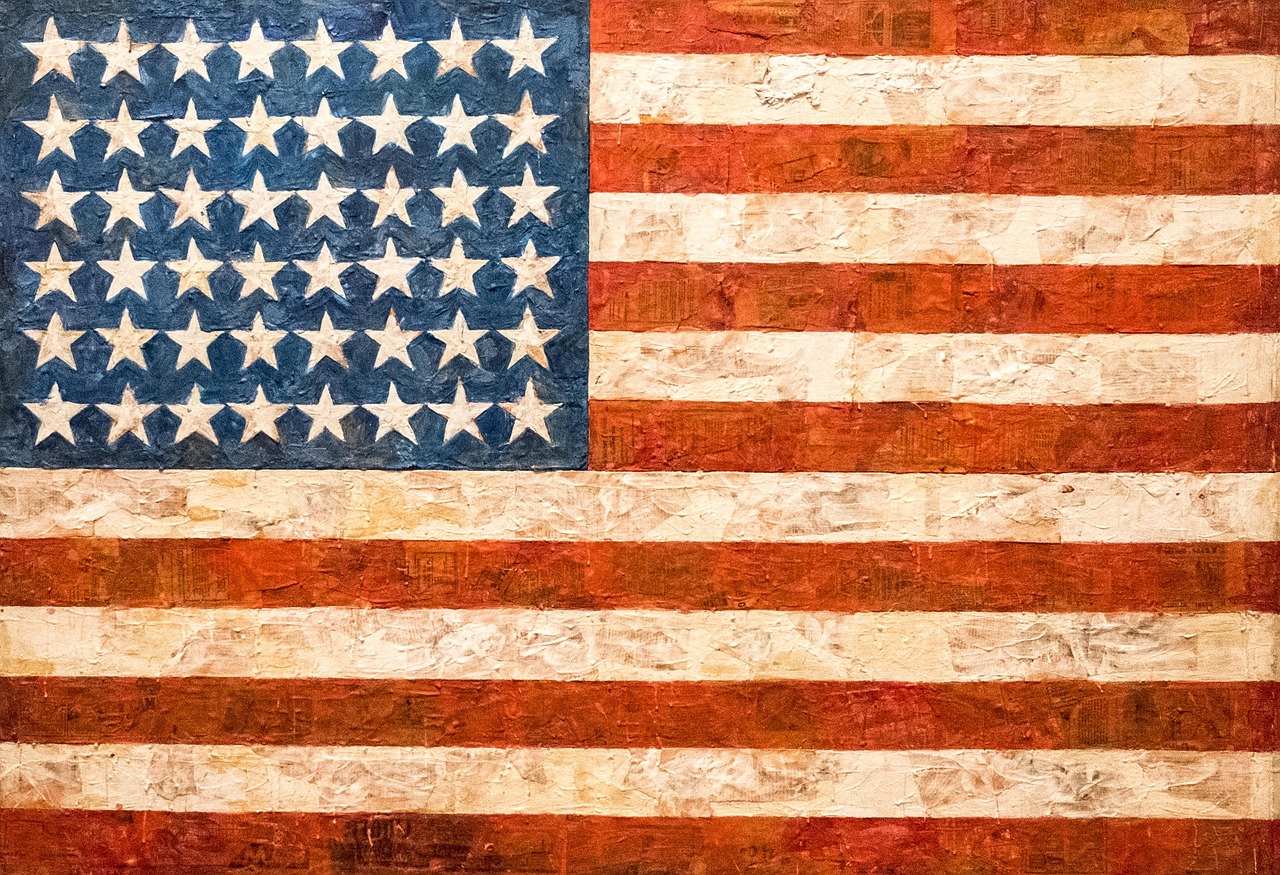
The Confederate States of America Flags, often referred to as the Confederate flag, is a complex symbol that has evolved over time. Deconstructing its symbolism involves understanding its historical roots, the various iterations of the design, and the wide range of interpretations it evokes today. The original flag, adopted in 1863, served as a symbol of the Confederacy during the American Civil War. It featured a blue field with white stars, often arranged in a circle, representing the Southern states that formed the Confederacy. This design has become the most iconic, but the Confederate flag is not a single, static image-it has undergone changes and variations throughout its history.
Interpretations of the Confederate flag vary widely. For some, it represents a connection to Southern heritage and cultural pride, a reminder of a complex past that includes both slavery and the struggle for independence. However, for many others, it is a stark symbol of slavery, white supremacy, and racial terror. This dichotomous perception has fueled intense debates about its display in public spaces, particularly on government property. Resolving these public display debates requires a nuanced understanding of the flag's history and symbolism. The most popular confederate flags often reflect these diverse perspectives, with some focusing on the historical military aspects and others emphasizing the flag's controversial racial associations.
When considering the display of Confederate flags, it's crucial to approach the topic with sensitivity and cultural awareness. Many people are looking for more affordable confederate flag options as a way to explore or connect with this aspect of history, but they may also want to consider more appropriate and respectful contexts. Visiting a Civil War museum or participating in historical reenactments where flag makers and craftspeople showcase the design's evolution can provide a deeper understanding without perpetuating harmful stereotypes. By understanding the symbolism behind the flags, we can better navigate contemporary uses, from their presence in literature and pop culture to their role in political protests, and work towards resolving public display debates in a meaningful and respectful manner. Visit us at symbols of the confederate states anytime to explore these complexities further.
Legal and Cultural Considerations of Displaying Confederate Flags

The legal and cultural landscape surrounding the display of Confederate States of America Flags is complex and highly sensitive. While some view them as a symbol of historical heritage, others perceive them as a perpetuation of racism and a stain on American values. This duality has led to widespread debate on public display, with varying legal interpretations across jurisdictions.
Numerous institutions and public spaces have removed Confederate flags from their premises, acknowledging their potential to incite racial tensions. Conversely, some groups advocate for the right to display these flags as a form of free speech, citing historical significance. This clash of perspectives has prompted a closer examination of intellectual property rights, copyright laws, and the appropriate use of historical symbols. When considering the display of Confederate flags, it's crucial to understand that they are protected under copyright and trademark laws, just like any other artistic creation. This means that reproduction, distribution, or sale of these flags without the proper legal authorization can lead to legal repercussions.
The best online stores for Confederate flags and vintage Confederate flag marketplaces offer legitimate access to these symbols, ensuring that buyers understand the historical context and cultural sensitivities associated with them. However, it's essential to approach this topic with cultural awareness. While some may see these flags as a connection to their ancestors' history, others find them offensive, linking them to a time of slavery and segregation. As such, the display of Confederate flags, especially in public spaces, should be carefully considered, ensuring respect for all communities.
When exploring the use of Confederate flags, landmark confederate military flags in pop culture can serve as a cautionary tale. Films, television shows, and literature have historically misrepresented these flags, perpetuating stereotypes and misunderstanding. Today, many artists and creators are mindful of this, using their platforms to promote cultural awareness and accurate historical representation. As public discourse continues to evolve, understanding the nuances of Confederate flags-their symbolism, history, and contemporary interpretations-is crucial for resolving public display debates.
Reimagining and Interpreting Confederate Symbols Today

The modern interpretation of Confederate symbols is a complex and often contentious issue. The Confederate States of America Flags, once a powerful symbol of a bygone era, continue to stir strong emotions and debates in contemporary times. Many individuals and communities now approach these flags with a critical eye, seeking to understand their historical context and modern symbolism. This shift in perception is crucial, especially as we navigate the delicate balance between preserving cultural heritage and promoting inclusivity.
Reimagining these flags involves a deep exploration of their historical roots and the ongoing conversations surrounding them. This perspective encourages a focus on the cultural and social aspects of the era, allowing for a more nuanced understanding of the flags' significance. An antique Confederate flag collection, carefully curated and displayed, can serve as a powerful educational tool. It allows people to appreciate the craftsmanship and design while also recognizing the need for historical context and critical analysis.
Troubleshooting confederate flag misunderstandings often requires a nuanced approach. The U.S. Copyright Office and Trademark Registry play a vital role in protecting intellectual property rights related to these flags. This ensures that the appropriate owners are credited and that the flags are not misused or commercially exploited in ways that might perpetuate harmful stereotypes. Custom Flag Studios, for instance, can help individuals and organizations create unique designs that honor the past while adhering to legal and ethical considerations. By fostering open dialogue and promoting cultural awareness, we can resolve public display debates and ensure that Flags, in their various forms, are interpreted and displayed respectfully.
Revitalizing Southern Heritage: A Community Embraces Modern Flags Inspired by History
Situation
The small, historically southern town of Oakwood was facing a cultural divide. The display of the Confederate flag, once a symbol of regional pride, had become a contentious issue. Some residents viewed it as a representation of their heritage and a nod to their ancestors who fought in the Civil War. Others saw it as a vestige of slavery and racial oppression, a symbol that promoted division and prejudice. This disagreement threatened to fracture the community.
Action
A group of local historians, artists, and concerned citizens came together to propose a new approach. They argued that instead of removing the flag entirely, the town could embrace a more nuanced interpretation of its history by adopting modern flags inspired by historical designs. They suggested creating a series of flags that would celebrate the region's diverse cultural influences, including Native American, African American, and European American contributions, while also acknowledging the painful aspects of the past.
The group organized workshops and community meetings to gather input from residents. They researched and designed flags that incorporated elements from the past but with a modern twist. One flag featured a stylized version of the Confederate battle flag woven into a pattern that also included symbols of peace, equality, and unity. Another showcased the historic state seal in a vibrant, contemporary color scheme.
Result
The new flag designs sparked lively but respectful conversations throughout the town. The community began to see the flags as a way to honor their history without perpetuating harmful stereotypes. The conflict over the Confederate flag subsided as residents focused on the shared pride and understanding represented by the new flags.
Within six months, Oakwood had replaced the controversial Confederate flag with a set of beautifully designed, historically inspired flags. The town's annual heritage festival became a platform to showcase the new flags, attracting visitors from nearby cities who were intrigued by Oakwood's unique approach to preserving its history.
Frequently Asked Questions About Modern Flags Inspired by History
What are modern flags inspired by history?
These are contemporary flags designed to pay homage to historical events, symbols, and cultures. They often incorporate elements from ancient or medieval flags, using them as inspiration to create new designs that can represent modern concepts, movements, or communities. The goal is to connect with historical roots while expressing current ideas, identity, or sentiment.
Why are people interested in this concept?
The resurgence of interest in historical symbols, coupled with a desire to express identity and cultural pride, drives the trend. Many individuals and groups find historical flags inspiring, offering a sense of connection to the past while allowing them to express their present-day values. This concept also taps into the fascination with nostalgia and the desire to preserve cultural heritage.
How do you distinguish between historical and modern flags?
While both draw from the past, historical flags represent specific periods, events, or nations, often carrying official or ceremonial significance. They are typically authentic or accurately restored replicas. Modern flags, on the other hand, reinterpret historical elements for contemporary purposes, reflecting current social, political, or cultural narratives.
Can you give an example of a successful modern flag inspired by history?
The "Red, White, and Blue" flag, a variation of the American flag with added historical motifs, is a good example. This flag incorporates stars and stripes from early American flags while adding unique elements that resonate with contemporary audiences, celebrating both historical roots and modern ideals.
What are some common challenges in creating modern flags inspired by history?
One challenge is avoiding cultural appropriation. It's crucial to respect the historical context and cultural significance of the original flag while adding new elements. Another challenge is balancing authenticity with artistic license. While staying true to historical elements, designers must also create visually appealing and meaningful modern interpretations.
Where can I find authentic modern flags inspired by history?
You can find these flags at reputable online stores specializing in historical and cultural merchandise, as well as at local retailers that cater to historical enthusiasts. Some companies offer custom design services, allowing you to create unique modern flags inspired by specific historical events or symbols.
Quick Reference
- Research historical context: Understand the cultural and political backdrop of the flag's origin.
- Identify key symbols: Recognize and interpret the design elements and their meanings.
- Examine the flag's evolution: Note changes over time and their significance.
- Consider cultural appropriation: Be mindful of the flag's modern use and potential offensive context.
- Understand legal considerations: Familiarize yourself with local laws regarding flag display.
- Respectful display is key: Ensure flags are shown appropriately, respecting their historical weight.
- Context is crucial: Recognize that flag meaning shifts with time and cultural perspective.
- Engage in open dialogue: Discuss and debate the flag's symbolism to foster cultural awareness.
Comparing Modern Flag Designs Inspired by Historical Symbols
This table compares three approaches to modern flags inspired by history, highlighting their core characteristics and suitability for different applications.
Exploring the history of the flags provides a critical lens for understanding modern adaptations, symbolism, and the ongoing cultural debates surrounding their display. Key insights include the evolution of flag design over time, the nuanced interpretation of symbols, and the legal frameworks governing their use. Etsy and the Costume Association of the South showcase the widespread adoption of historic flags, highlighting the need for informed interpretation and responsible display. Legal considerations, as outlined by the Intellectual Property Law Firm and U.S. Copyright Office, underscore the importance of cultural awareness and historical accuracy when dealing with Flags. Moving forward, reimagining these symbols requires a balanced approach, engaging with historical interpretations, addressing public display debates, and promoting cultural understanding. By synthesizing these learnings, individuals and institutions can contribute to a more informed and respectful engagement with the past, present, and future of Flags.
The flags, a symbol of the American Civil War, are a point of historical contention and modern debate. Their symbolism, varying across states, reflects pride, identity, and a complex history. Displaying these flags, especially in public, raises legal, ethical, and cultural questions. They are protected under copyright and trademark laws, and their removal from public spaces is a topic of resolution. Understanding their historical context, legalities, and contemporary interpretations is vital for their respectful display and interpretation. This includes recognizing their role in the ongoing conversation about race, heritage, and free speech.