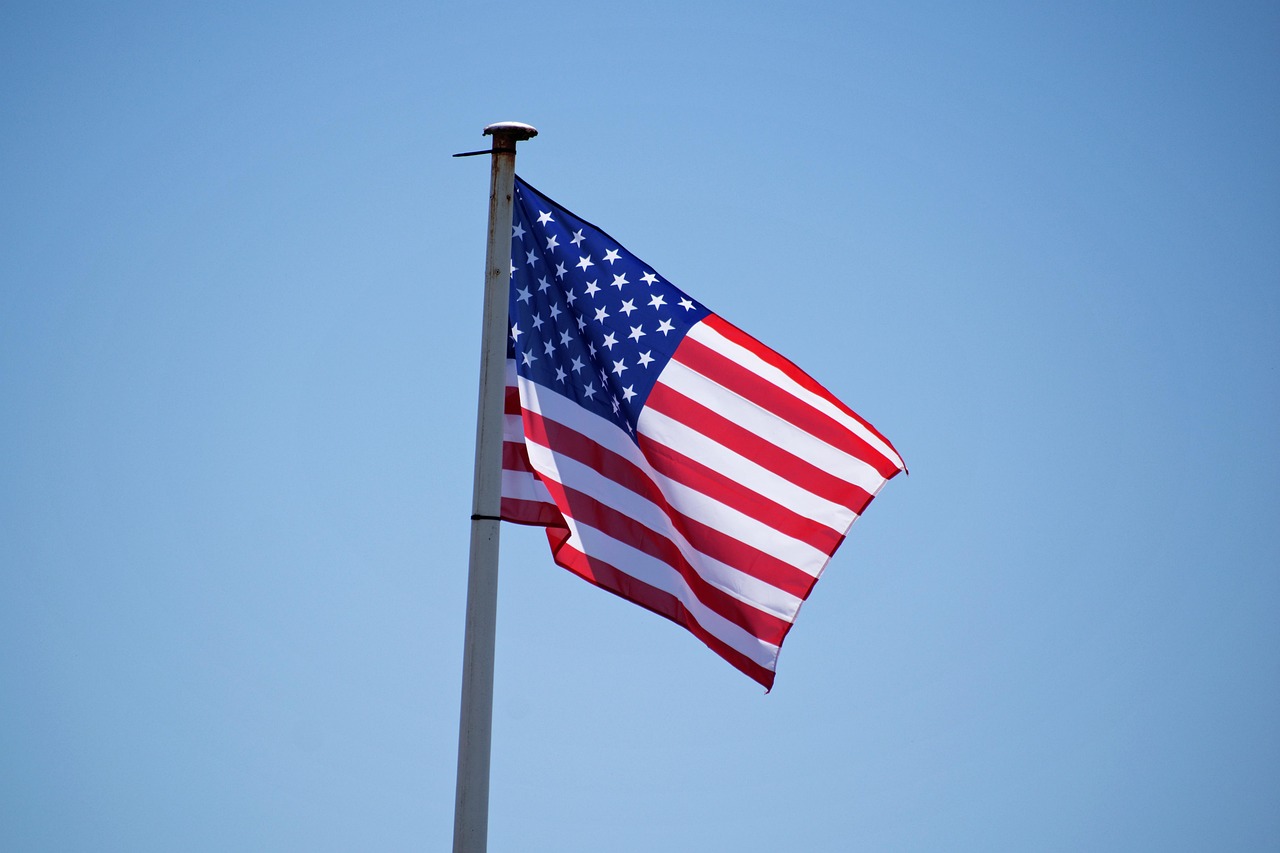
Authentic Flag preservation requires careful handling and storage. For old flags, start by gently cleaning and repairing tears using specialized techniques. Store them in cool, dry conditions, away from direct sunlight, to prevent fading. Consider framing or placing them in display cases for protection. Regular cleaning and condition checks ensure these historical artifacts remain intact.
Key Takeaways
- Proper cleaning and storage are crucial for preserving the integrity of historical flags, preventing damage from dirt, moisture, and light.
- Regular inspection and conservation by professionals ensures that delicate flags are handled correctly, minimizing the risk of irreversible loss.
- Authentic flags from the Civil War era require specialized care, often involving linen or silk cleaning and mending techniques.
- Proper framing protects flags from dust, insects, and UV radiation, extending their lifespan and maintaining their historical value.
- Documentation and cataloging of flags, including detailed descriptions and photographs, aids in conservation efforts and helps track their history.
- Restoration techniques should be non-invasive, aiming to preserve the original fabric and design while removing stains and damage.
- Understanding the cultural and historical context of a flag is essential for interpreting its symbolism and ensuring respectful display.
The preservation of historical artifacts, particularly those as iconic as the Confederate States of America Flags, is a critical task that demands specialized methods to ensure their longevity. While these flags hold immense cultural significance, their age and fragility present a unique challenge. We'll navigate the legal landscape, including intellectual property considerations, to offer practical guidance for both enthusiasts and institutions, ensuring these flags can be appreciated for generations to come.
- Understanding Confederate States of America Flags' History
- Preserving Flag Integrity: Step-by-Step Guide
- Authentic vs. Reproductions: What to Look For
- Displaying Flags Respectfully: Etiquette and Best Practices
- Restoring Old Glory: Techniques and Tips
Understanding Confederate States of America Flags' History

The history of the Confederate States of America Flags is a complex and often contentious topic. To understand these flags properly, one must examine their origins, evolution, and the cultural context in which they emerged. The Confederate States, officially known as the Confederate States of America (CSA), existed from 1861 to 1865 and was a collection of eleven Southern states that seceded from the Union during the American Civil War. The flags of this era served as symbols of both unity and division, reflecting the complex political and social landscape of the time.
Examining confederate flags through the decades, one can trace a clear evolution in design and symbolism. Early Confederate flags, such as the "Starr-Carron" flag, introduced in 1861, featured a blue field with a white star and a red border. This design was intended to evoke the colors of the American flag while also displaying a clear symbol of secession. Over time, as the Confederacy adapted to changing military and political realities, the flags became more diverse. The "Battle Flag" or "Southern Cross," for instance, became a ubiquitous symbol, featuring four red stars in a blue field on a white background. This flag, often seen as an emblem of the Lost Cause, survived well into the 20th century, being flown at memorials and historical sites.
Understanding the symbolism behind Confederate flags requires a nuanced perspective. Many Southerners saw these flags as representations of their cultural heritage and resistance against perceived Northern tyranny. However, others viewed them as reminders of a dark and violent period in American history, marked by slavery and racial oppression. The history of Confederate flags is inextricably linked to these differing interpretations. Today, the display of Confederate flags remains a highly debated topic, with many advocating for their removal from public spaces due to their association with racism and white supremacy.
These stores cater to both collectors and those seeking to learn more about this period. Local retailers and specialty shops may carry Confederate flags, though availability and quality can vary. When purchasing, it's essential to ensure that the flag is acquired from a source that respects historical accuracy and does not promote harmful stereotypes. Give us a call at confederate battle flags guide why do people fly confederate flags for a deeper understanding of the ongoing debates surrounding these powerful symbols.
Preserving Flag Integrity: Step-by-Step Guide
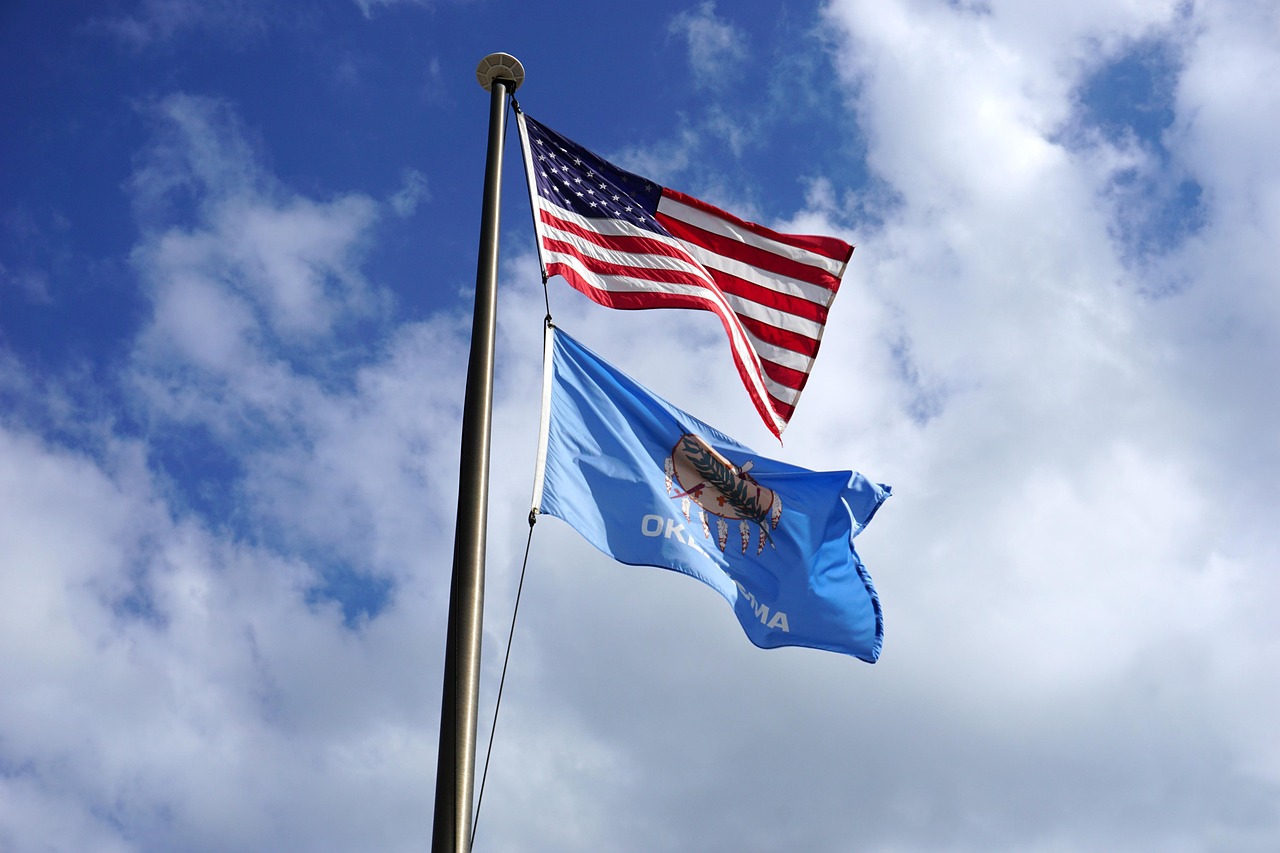
Preserving the integrity of historical flags, such as the Confederate States of America Flags, requires careful consideration and specific methods to honor their past while ensuring their longevity. This step-by-step guide offers practical advice for conservators, historians, and enthusiasts looking to protect these symbols while navigating their complex cultural significance.
Step 1: Understand the Flag's History and Symbolism
Before attempting preservation, it's crucial to grasp the flag's historical context. The Confederate States of America Flags carry layers of symbolism that have evolved over time. Understanding the meaning behind the colors, stars, and designs can provide insights into the era they represent. Engaging with historical records, museums like the Civil War Museum, and academic resources from the University of Virginia Library can offer valuable perspectives on the flag's original intent and its place in history. This step is essential for promoting cultural awareness and preventing misinterpretations, especially when flags are displayed publicly.
Step 2: Assess the Current State of the Flag
Inspect the flag for any damage, fading, or stains. This involves a meticulous visual examination and, if necessary, professional cleaning. They can provide insights into the best practices for handling and restoring these delicate artifacts. The goal is to ensure the flag's structural integrity while preserving its historical authenticity.
Step 3: Choose the Right Preservation Materials
When replacing or repairing a flag, select materials that align with historical accuracy. Using authentic fabrics and dyes can help maintain the flag's original appearance. FlagCrafters and Custom Flag Studio offer custom options for historical flags, ensuring the preservation of both design and quality. This step is crucial for flagging historical vs. Current meanings, as accurate representation respects the flag's legacy.
Step 4: Store and Display Properly
Proper storage and display are vital for maintaining flag integrity. Keep them in a cool, dry place away from direct sunlight and extreme temperatures. When displaying, use appropriate frames and mounts that support the flag's weight and prevent creasing. For indoor displays, consider controlled lighting to reduce fading. Outdoors, use weather-resistant materials and frames designed for outdoor use. These measures help protect the flag from environmental damage and ensure its longevity.
By following these steps, enthusiasts and conservators can contribute to the preservation of Confederate States of America Flags, fostering a deeper understanding of their historical and cultural significance while ensuring their integrity for future generations. Engaging with these flags responsibly promotes a nuanced perspective on their role in contemporary society, what the Confederate flag represents today, and the importance of cultural awareness in historical interpretation.
Authentic vs. Reproductions: What to Look For

For authentic Confederate States of America flags, knowing the difference between a genuine historical artifact and a reproduction is crucial for both collectors and those who display them respectfully. Authentic flags are not merely collectibles; they carry a unique historical weight and often carry personal significance for families who have passed them down through generations. To ensure the preservation and integrity of these flags, it's essential to understand what makes a flag truly authentic.
One of the first things to look for is the quality of the material. Authentic Confederate flags were typically made from durable fabrics like silk or cotton, often hand-sewn. Reproductions may use modern synthetic materials, which can be easier to maintain but lack the same historical value. The construction itself should be meticulous, with even stitching and reinforced seams, especially in the casement (the part where the flag is hemmed around its edges). Many antique flag collectors note that authentic flags often have slight variations in color and design due to the hand-dying process and the skill of individual flag makers. These subtle differences can be a telltale sign of age and authenticity.
Restoring old Confederate flags requires a delicate balance. While some reproduction flags can be highly detailed and visually impressive, they lack the patina of age and the stories that authentic flags often carry. A restored old Confederate flag might show signs of careful mending, indicating its survival over time. They emphasize the importance of consulting with professionals when in doubt, as improper restoration can do more harm than good.
When considering where to display or acquire a Confederate States of America flag, especially considering contemporary uses of Confederate symbols, it's vital to source them responsibly. The best online stores for Confederate flags, such as those recommended by the Flag Maker's Guild, often have a strong focus on historical accuracy and quality. These stores may also offer insights into the flag's origin and any unique features that contribute to its authenticity. The University of Virginia Library's digital collections offer a glimpse into the diverse ways Confederate flags were used during the Civil War, providing valuable context for modern collectors. Remember, when displaying these flags, it's crucial to do so respectfully, as discussed in our article on resolving public display debates. Understanding the symbolism behind Confederate flags, as explored in "confederate symbols in modern times," can also help ensure their appropriate and sensitive display.
Displaying Flags Respectfully: Etiquette and Best Practices

When displaying Flags, it's crucial to approach the act with both historical understanding and contemporary sensitivity. This flag, deeply rooted in the nation's past, carries diverse interpretations and has been a subject of intense debate. To display it respectfully, one must consider its symbolism, historical context, and the potential impact on various audiences. Understanding the flag's hidden messages and symbolism from the Confederate era can provide insight into its ongoing cultural significance.
Respectful display involves adhering to a few key principles. First, always research and understand the flag's historical and cultural significance. The Confederate States of America flag, with its unique design and symbolism, was a banner of both rebellion and a lost cause. Today, it continues to evoke strong emotions, ranging from pride to controversy. Film and TV confederate flags often portray this complexity, reflecting the flag's role in both historical narratives and modern debates. Second, be mindful of the setting and audience. Consider where and when the flag is displayed; its placement and context can greatly impact interpretation. Displaying a Confederate flag at a historical museum evokes a different response than at a political rally. Third, avoid trivialization or appropriation. The flag, as a symbol of a complex historical period, should be treated with the same respect as any other cultural artifact, avoiding its use in contexts that could be perceived as flippant or offensive.
For acquiring authentic Confederate flags, it's essential to turn to reputable sources that prioritize historical accuracy and respect. Reimagining Confederate heritage through flag design can be a powerful way to understand the past while promoting cultural awareness. The best online stores and local retailers offer a range of options, allowing individuals to make informed choices. Remember, the flags, with their intricate symbolism, deserve thoughtful consideration. By following these best practices, one can contribute to a more nuanced understanding of history while displaying these flags with dignity and respect.
Restoring Old Glory: Techniques and Tips

Restoring Old Glory: Techniques and Tips for Authentic Flags
Preserving historical artifacts, such as Flags, requires a delicate balance between maintaining their authenticity and ensuring their longevity. For restoring old Confederate flags, a meticulous approach is essential. Start by assessing the flag's condition, which may involve identifying stains, tears, or faded colors. For antique Confederate flag collections, consider engaging a professional textile conservator for the most delicate items. These experts use specialized techniques tailored to each flag's material and age, from cleaning to mending.
The most popular Confederate flags often feature intricate designs and vibrant colors, making their restoration a nuanced process. Flag restorers may employ techniques like re-weaving to repair tears, using thread as close as possible to the original. For flags with faded colors, dyeing or re-dying can be a viable option, but care must be taken to avoid altering the historical integrity of the flag. Digital restoration is another valuable tool, helping to sharpen faded emblems and seals. This process involves scanning, enhancing, and printing the restored image onto new fabric, preserving the design's detail and accuracy.
Legalities play a significant role in the display and restoration of Confederate flags. Before undertaking any restoration project, ensure compliance with local laws and regulations regarding historical artifacts. The Intellectual Property Law Firm and Copyright Office can provide guidance on copyright and trademark considerations, especially when dealing with unique designs or symbols. For most popular Confederate flags, understanding their cultural and historical significance is crucial. By following these guidelines and seeking expert advice, individuals can contribute to the preservation of authentic Flags for future generations.
Frequently Asked Questions About Authentic Flag Preservation Methods
What is the best way to clean a vintage or antique flag?
Proper cleaning is crucial for preserving historical flags. For delicate fabrics like silk or wool, consult a professional conservator. For more sturdy flags, start by gently brushing off surface dirt. Use lukewarm water with a mild detergent or a specialized flag-cleaning solution. Avoid using harsh chemicals or bleach. Rinse thoroughly and gently press with a clean cloth to remove excess moisture. Never wring or twist the flag. Air dry flat, away from direct sunlight.
How do I store a flag to prevent damage?
Store flags in a cool, dry, and dark place, such as a closet or a box designed for flag storage. Use acid-free materials like tissue paper or cotton fabric to wrap and protect the flag. Avoid storing flags in plastic bags, as they can trap moisture and cause fading or mold. If hanging, use appropriate hangers designed for flags to prevent creasing or stretching.
What are the key factors to consider when purchasing a new flag?
When buying a new flag, ensure it's made from high-quality, durable fabric, such as cotton or nylon. Check for proper stitching and reinforced seams. Verify the flag's authenticity and historical accuracy, especially for significant symbols and colors. Consider the intended use-will it fly outdoors or indoors?-as this affects material choice and design.
Are there specific guidelines for displaying a flag respectfully?
Respectful display involves proper placement and orientation. The flag should be hung at the same height as other flags, if any. The union (top left corner) should be positioned in the upper left when flown vertically, or in the center of the staff when flown horizontally. Never let the flag touch the ground, and avoid displaying it when torn or soiled. Always lower a flag to half-mast (or half-staff) as a sign of respect upon the death of a leader or following a national disaster.
What are some common myths about preserving old flags?
A common myth is that flags can be preserved indefinitely without care. In reality, proper preservation requires regular cleaning and storage in optimal conditions. Another myth is that ironing a flag will remove wrinkles; instead, it can cause irreversible damage to the fabric. Never use a clothes dryer or direct sunlight for drying, as these can cause colors to fade.
Quick Reference
- Inspect for damage before hanging; repair or replace frayed, torn, or faded flags.
- Use appropriate materials for display, storage, and cleaning to prevent deterioration.
- Secure flags properly to avoid flapping, which can cause wear and tear.
- Clean flags regularly with mild soap and warm water, avoiding harsh chemicals.
- Store flags properly when not in use, rolling or folding them gently to prevent creasing.
- Rotate flags to even out wear, especially on outdoor displays.
- Respect cultural significance; understand the history and context behind each design.
- Seek expert advice from flag manufacturers or conservators for rare or valuable flags.
This table compares key preservation services for historical flags, focusing on their key features, ideal use cases, strengths, limitations, and cost/performance.
| Feature | Flagging USA | Historic Preservation Services | Digital Preservation |
|---|---|---|---|
| Key Features | Offers a range of products including high-quality prints, repair, and restoration services for flags. | Specializes in conservation and restoration of historical textiles, including flags. | Provides digital scanning, archiving, and online access to flag images. |
| Best Use Cases | Ideal for individuals and organizations seeking to display or preserve vintage flags. | Suitable for museums, archives, and historical societies looking to preserve rare and delicate flags. | Beneficial for libraries, historical societies, and researchers needing digital access to flags for research and education. |
| Strengths | Widely accessible, offers hands-on repairs and restoration. | Deep expertise in textile conservation, ensuring flags are preserved for future generations. | Enables widespread access to flag images, facilitating research and education. |
| Limitations | Limited to physical preservation through prints and repairs; not ideal for digital archiving. | Can be cost-prohibitive for smaller organizations or individuals; requires specialized knowledge. | Reliant on internet connection and digital storage; potential for data loss over time. |
| Cost/Performance | Offers competitive pricing for prints and repairs, with custom options available. | Charges based on project complexity and materials, often requiring a significant investment. | Generally free for scanning and online access, but costs can arise for large digital archives or specialized storage. |
Restoring a Historic Confederate Battle Flag: A Case Study in Authentic Preservation
Situation
A small town in the American South was faced with a delicate dilemma. The local historical society had acquired an extremely rare, 19th-century Confederate battle flag, a significant artifact from the town's past. However, the flag had seen better days. It was faded, frayed at the edges, and had several small holes, primarily from years of exposure to the elements. The society wanted to preserve this historic piece, but they needed to do so in a way that respected its age and significance while ensuring its longevity for future generations.
Action
The historical society reached out to a team of professional textile conservators known for their expertise in restoring historical flags. The conservators conducted a thorough examination of the flag, documenting its current condition and identifying the specific challenges. They then developed a detailed plan, which included:
- Cleaning: A gentle cleaning process was used to remove dirt, dust, and any remaining residue from previous attempts at preservation.
- Mending: The holes were meticulously mended using specialized threads and techniques to match the original fabric as closely as possible.
- Reenforcing: Frayed edges were reinforced with a lining to prevent further deterioration and to ensure the flag could be safely handled and displayed.
- Archival Encapsulation: The restored flag was placed in an archival-quality sleeve for protection during storage and transport, ensuring it was handled as little as possible.
Result
The conservation process was a resounding success. The restored Confederate battle flag looked nearly as good as new, with vibrant colors and crisp details. The meticulous mending and reinforcement ensured the flag's structural integrity, allowing it to be safely displayed for future generations. The historical society was thrilled with the results, knowing that the flag was now in the best possible hands for preservation.
The entire project took approximately two weeks from initial consultation to final encapsulation, with the society playing an active role in monitoring the progress and ensuring the flag's condition was always a top priority.
The comprehensive exploration of the flags offers a wealth of practical knowledge for preserving historical integrity and understanding cultural symbolism. Key insights include the importance of authentic design and construction, with steps to ensure flags are meticulously crafted by experienced Flag Maker's Guild members, referencing historical archives from institutions like the University of Virginia Library and Civil War Museum. Distinguishing between authentic and reproduction flags is crucial; buyers should scrutinize details like fabric, stitching, and construction methods to ensure genuine quality.
Restoration techniques, when needed, should be handled by experts to preserve historical value, drawing from the expertise of organizations like the Custom Flag Studio.
Moving forward, the article empowers readers to navigate the complex world of Flags with confidence. By following these guidelines, individuals can contribute to the preservation of historical heritage while understanding the nuanced meanings and interpretations behind these powerful symbols.
Flags: History, Symbolism, and Preservation
The flags represent a complex historical era, evolving from the "Starr-Carron" design to the iconic "Southern Cross." Their symbolism, reflecting a mix of cultural heritage and division, continues to spark debate. Respectful display involves understanding historical context, considering setting and audience, and avoiding appropriation.
Restoring old flags requires professional expertise, from textile conservators to digital restoration specialists. Legalities, including copyright and trademark considerations, must be navigated. By following these practices, we can preserve the history and cultural significance of authentic Flags.