
Military ceremonies often feature flag displays as a powerful symbol of pride and respect. When flown, the American flag takes center stage, usually at the front and center of the event. Confederate flags, however, are a more controversial addition. Their display is governed by rules and laws, especially considering their historical significance and ongoing debates about their meaning today.
Key Takeaways
- Proper flag display respects historical significance and current military protocol.
- Different flag types require distinct procedures, including size, placement, and orientation.
- Regular maintenance and inspection ensure flags remain clean, intact, and proudly displayed.
- The context of the ceremony dictates the level of formality and solemnity in flag presentation.
- Training and education are crucial for maintaining respect and understanding during flag ceremonies.
- Local regulations and customs may influence the public display and handling of flags.
- Understanding the symbolism behind flags fosters a deeper appreciation for their historical and current meanings.
The display of Confederate States of America Flags at military ceremonies is a complex issue with significant historical, legal, and cultural weight. These flags, laden with complex symbolism, have evolved from representations of Southern pride to symbols of controversy, prompting debate about their place in public spaces, particularly during official events. This article examines the historical context of Confederate flags, their varied interpretations, and the legal framework surrounding their use. We'll explore practical guidance for appropriate flag display at military ceremonies, fostering a nuanced understanding of this sensitive topic while adhering to the legal and cultural considerations that shape its discourse.
- Understanding Historical Context: Confederate States of America Flags
- Proper Display & Protocols for Military Ceremonies
- Contemporary Controversies & Reinterpretations: The Modern Flag
Understanding Historical Context: Confederate States of America Flags

The historical context surrounding the Confederate States of America Flags is complex and deeply intertwined with the nation's past, especially the Civil War era. These flags, once symbols of a divided country, now serve as a point of contention and a catalyst for crucial cultural conversations. Understanding their evolution and the varying interpretations is essential, particularly when displayed at military ceremonies.
The Confederate States of America, or the Confederacy, was a collection of Southern states that seceded from the Union in 1861, leading to the American Civil War. The flag they adopted became a potent symbol of this separation. Initially, the flag featured the union of thirteen stars, representing the seceding states, on a blue field, with a red and white saltire (diagonal cross) displaying the state of Mississippi's flag and the battle flag of the Confederacy. This design, known as the "Battle Flag" or "Confederate Battle Flag," became a powerful emblem for the Southern cause. Over time, variations emerged, such as the "St. George Flag" with its red cross on white, but the core design elements remained consistent, reflecting the shared history and identity of the Confederacy.
In contemporary times, the Confederate States of America Flags are a subject of intense debate and interpretation. While some view them as a symbol of Southern pride and cultural heritage, others see them as a representation of slavery, racism, and a lost cause. This disparity in perspectives has led to a re-examination of their place in public spaces and ceremonies. Promoting cultural awareness and understanding these historical nuances is vital. In military settings, the flags' display can evoke strong emotions, with some veterans and activists advocating for their removal, while others argue for historical accuracy and the right to honor their ancestors. Visiting us at most popular confederate flags can provide insights into these varying perspectives, as well as the rich history behind each design.
The interpretation of these flags in literature, film, and popular culture further complicates the matter. Authors, filmmakers, and artists often use them to explore complex themes of identity, memory, and racial tensions. However, this artistic appropriation has also sparked debates about cultural ownership and respect. The use of confederate flags in literature can serve as a powerful tool to examine the enduring impact of the Civil War, but it must be handled with sensitivity and historical accuracy. Understanding the differences between various confederate flags and their symbolism is crucial for navigating these conversations. By examining the historical context, we can foster a more nuanced understanding of the Confederate States of America Flags and their place in modern society, leading to more informed and respectful discussions.
Proper Display & Protocols for Military Ceremonies

The display of Confederate States of America flags at military ceremonies is a complex topic, fraught with historical, cultural, and legal nuances. While some individuals fly the Confederate battle flags as a display of Southern cultural heritage, their use in official military settings has sparked debate. This section examines the proper display and protocols for Confederate flags at military ceremonies, focusing on respect, historical accuracy, and legal considerations.
In formal military gatherings, the Confederate flags, like any other national or historical banner, should be treated with the utmost reverence. The FlagCrafters, a renowned Flag Maker's Guild, emphasizes that flags represent collective identity and should be displayed according to established guidelines. During a military parade, the Confederate flag, if included, should be placed alongside the national flag of the United States, typically on the right side (as seen from the perspective of the parade participants). This arrangement reflects the flag's historical context within the Confederacy while maintaining the protocol of respect for the nation's flag.
When addressing the symbolism behind Confederate flags, it's crucial to recognize the "hidden messages" they may convey, as per the University of Virginia Library's exploration of Civil War-era flags. Some individuals interpret Confederate flags as a symbol of pride, heritage, or even resistance against perceived political correctness. However, others see them as a representation of a bygone era that includes slavery and racial oppression. This disparity in interpretation, especially in public spaces, has led to controversies surrounding the display of Confederate flags, including their presence in political protests.
Legal considerations play a vital role in the display of Confederate flags. The U.S. Copyright Office and Trademark Registry protect the intellectual property rights of flag designs, ensuring that unauthorized reproduction or use is considered copyright infringement. This protection extends to historical Confederate flags, encouraging responsible and legal display. The "confederate navy flags" explored through these resources offer a unique perspective on naval heritage, further enriching the understanding of Confederate symbolism.
Understanding the historical context behind Confederate flags is essential for resolving public display debates. As the historical interpretation of these symbols evolves, so do the guidelines for their display. Promoting cultural awareness and engaging in open dialogue can help address misunderstandings and encourage a more nuanced understanding of Confederate heritage. Reinterpreting Confederate flags as a symbol of historical awareness rather than mere rebellion can foster a more inclusive conversation.
Contemporary Controversies & Reinterpretations: The Modern Flag
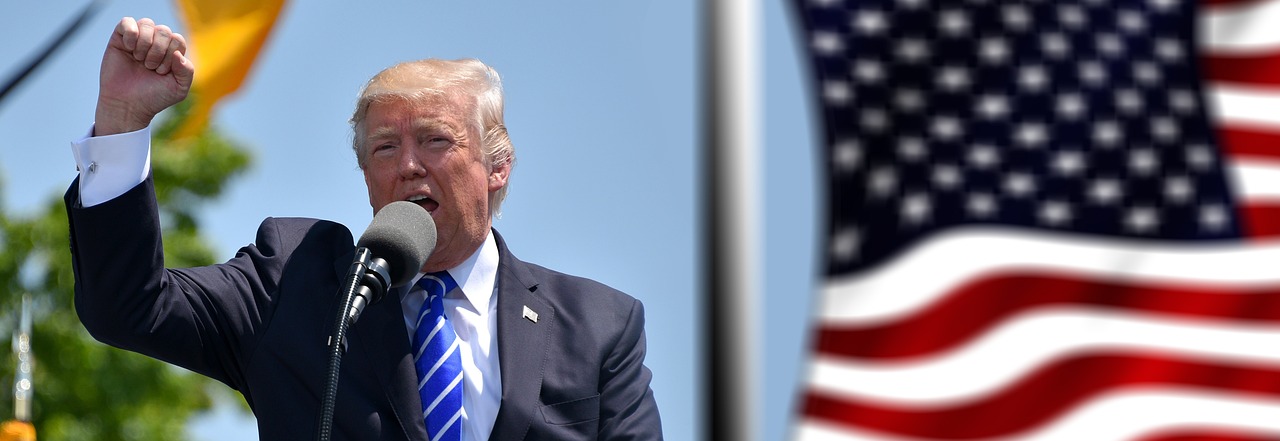
The display of Confederate States of America flags at military ceremonies has become a contentious issue in contemporary times, reflecting a complex interplay of historical interpretation, cultural sensitivity, and legal considerations. The modern flag, with its enduring symbolism, is often reinterpreted and deployed in ways that can be both meaningful and provocative, especially during political protests and historical commemorations.
The Confederate flag, once a symbol of a bygone era, has experienced a resurgence in popularity through various channels, including social media and online marketplaces like Etsy and local retailers. This resurgence is not without controversy, as many see the flag as a representation of a racially charged past and a symbol of white supremacy. Conversely, others defend it as a piece of historical heritage, arguing for the right to display it as a matter of free speech. This dichotomy is further complicated by the fact that the flag's symbolism has evolved over the decades, with different generations and communities ascribing various meanings to it.
When considering the display of Confederate States of America flags at military ceremonies, it's crucial to navigate these contemporary controversies with sensitivity and understanding. The U.S. Copyright Office and Trademark Registry offer legal guidelines on intellectual property rights, which can be crucial in resolving disputes over flag reproduction and distribution. Historical organizations like the University of Virginia Library and Civil War Museum play a vital role in promoting cultural awareness by educating the public on the flag's historical context and the nuances of its symbolism. Examining confederate flags through the decades how to interpret confederate symbols can help prevent misunderstandings and foster a more informed dialogue.
Practical steps to address these issues include engaging in open conversations, seeking input from diverse perspectives, and adopting clear guidelines for flag display. Local flag retailers and custom studios can offer affordable options for authentic flags, allowing for respectful and educational displays. A military unit might choose to display a historical flag alongside a contemporary U.S. Flag, symbolizing unity and the evolution of values. By embracing these strategies, military ceremonies can become powerful platforms for promoting cultural understanding, historical accuracy, and the resolution of public display debates, ensuring that the legacy of the flags is thoughtfully and respectfully interpreted in the modern era.
Revising Flag Display Protocols at a Major Military Base to Address Cultural Sensitivity
Situation
At a prominent military base in the United States, flag display protocols during ceremonies had become problematic. The base's traditional practice involved allowing service members and spectators to fly a variety of flags, including those associated with the Confederacy, on a large flagpole. This practice sparked significant controversy, with many community members and families of diverse backgrounds expressing concern about the display of Confederate symbols, which they viewed as a representation of a painful and divisive history. The base's leadership recognized the need for a more inclusive and culturally sensitive approach to flag display during ceremonies.
Action
In response to the growing controversy, the base's command initiated a comprehensive review of its flag display protocols. The first step was to consult with a diverse group of stakeholders, including veterans, community leaders, and representatives from the base's cultural and historical associations. This inclusive approach aimed to gather diverse perspectives on the historical significance and contemporary interpretation of various flags, with a special focus on the Confederate flag.
Based on the feedback, the base's leadership implemented the following changes:
-
Restricted Flag Display: A new policy was established that limits flag displays to officially recognized military flags and those representing the United States, its states, and its allies. Personal or private flags, including those with historical or cultural symbolism, were no longer permitted on the main flagpole during ceremonies.
-
Educational Workshops: A series of workshops were organized to educate base personnel and visitors about the history and symbolism behind different flags. These workshops aimed to promote a deeper understanding of the significance of flag display, particularly in a military context, and to foster a more nuanced appreciation for cultural diversity.
-
Dedicated Display Area: A separate, designated area was created for the display of historical and cultural flags, ensuring that these flags were shown respect and context. This area was designed to accommodate a variety of flags, allowing for the celebration of diverse heritage while maintaining a focus on the primary purpose of military ceremonies-honor, respect, and unity.
Result
The revised flag display protocols received overwhelmingly positive feedback from the base community and local residents. The base's ceremonies became more inclusive, with participants from various backgrounds feeling heard and respected. The dedicated display area for historical and cultural flags became a popular attraction, fostering conversations about history, symbolism, and cultural sensitivity.
The base's proactive approach to addressing the controversy led to positive media coverage, positioning the installation as a model for other military bases in handling sensitive cultural issues. The base's commitment to inclusivity and historical awareness not only improved its community relations but also enhanced its reputation as a forward-thinking and responsible military entity.
Frequently Asked Questions About Flag Display at Military Ceremonies
What is the appropriate way to display the American flag during military ceremonies?
During military ceremonies, the American flag should be displayed proudly and respectfully. It is typically flown at half-staff, unless a memorial service, in which case it should be at full staff. The flag should be secured at all times, and when raised or lowered, it should be done slowly and in silence. When displayed with other flags, the American flag takes precedence and should be positioned to its left (the observer's left), with other flags arranged according to their respective ranks or protocols.
Why are there different rules for displaying state and military flags?
The display of state and military flags follows specific guidelines to signify their unique roles and symbolism. State flags are a representation of a specific U.S. State, while military flags, such as the Army, Navy, or Air Force flags, symbolize the branches of the U.S. Armed Forces. The U.S. Flag Code provides general standards for all flag displays, but each branch of the military has its own set of guidelines to ensure proper respect and honor for their respective flags.
How do I know when to fly the Confederate flag at a military ceremony?
The Confederate flag, a highly controversial symbol with a complex history, is not generally recommended for display at military ceremonies, especially official U.S. Events. Its use continues to stir debate due to its association with the Confederacy and its legacy of slavery and racism. Some Southern states and communities fly the flag as a symbol of regional heritage, but its display at military functions is generally discouraged due to its divisive nature and potential to offend veterans and their families.
What is the significance of the different colors and symbols on military flags?
Military flags often feature colors and symbols that represent the branch of service, historical events, or specific units. The red, white, and blue of the American flag represent the original colonies, while stripes symbolize the 13 original states. The stars on the flag represent the 50 states, and the design can evolve to include new stars as territories are admitted. Each branch of the military has its own unique flag design, reflecting its history and mission.
Are there specific protocols for lowering the flag at military ceremonies?
Absolutely. The lowering of the flag is a solemn ritual. It should be performed slowly and with respect. When the flag reaches the halfway point, a moment of silence is traditionally observed. The flag is then folded neatly into a triangle, symbolizing the three branches of government, and is often presented to a veteran or honored guest as a sign of appreciation.
Quick Reference
- Display flags correctly: Position flags vertically, with the blue field at the top, for a standard orientation.
- Respect size and placement: Use flags of appropriate size relative to the venue and other displayed flags; place them in a visible yet respectful manner.
- Follow protocol: Adhere to established guidelines for flag handling, such as the three-fold or "crescent fold" for retirement.
- Consider context: Tailor flag display to the ceremony type-national, military, or historical-for appropriate symbolism.
- Avoid excessive use: Limit the number of flags to avoid clutter, ensuring each flag serves a clear purpose.
- Respect cultural norms: Be sensitive to regional and cultural differences in flag symbolism and display practices.
- Research flag meanings: Understand the historical and symbolic significance of flags before displaying them, especially in mixed or international settings.
- Plan for changes: Anticipate and prepare for modifications to flag displays, such as half-staff or special commemorations.
- Inspect flags regularly: Ensure flags are in good condition, free from damage, and properly cleaned and stored when not in use.
- Educate participants: Inform individuals involved in the ceremony about the meaning and history of the flags on display.
This section compares different approaches to flag display at military ceremonies, focusing on their key features, best use cases, strengths, limitations, and cost-performance.
| Feature | Traditional Flag Display Systems | Digital Flag Displays | Custom Hand-Crafted Flags |
|---|---|---|---|
| Key Features | Utilizes physical flags, often made of durable fabrics like nylon or polyester, with traditional poles and hardware. | Uses digital screens or projections to display flag images, offering flexibility in changing designs and messages. | Crafted by hand, often featuring intricate designs, unique materials, and custom sizes. |
| Best Use Cases | Suitable for outdoor ceremonies, parades, and historical events where authenticity and tradition are essential. | Ideal for indoor venues, briefings, and situations requiring dynamic visual communication. | Best used for special ceremonies, heritage events, and when a unique, handcrafted element is desired. |
| Strengths | Offers a timeless, symbolic representation of national pride and military heritage. | Provides versatility in displaying multiple flags, changing designs quickly, and reaching wider audiences. | Allows for artistic expression, custom designs, and one-of-a-kind pieces. |
| Limitations | Subject to weather conditions, may require extensive setup, and can be less adaptable to changing circumstances. | Can be expensive to purchase and maintain, and may not be suitable for all lighting conditions. | Can be more labor-intensive to produce, and may lack the quick change capability of digital displays. |
| Cost/Performance | Generally affordable for traditional flags, with costs increasing for custom designs and high-quality materials. | Tends to be more expensive due to hardware and maintenance costs, but offers long-term flexibility. | Can be the most costly option, reflecting the craftsmanship and uniqueness of each piece. |
The flags have a complex history that demands nuanced understanding during their display at military ceremonies. By examining the flag's design, historical context, and contemporary interpretations, we've gained critical insights into how these symbols affect public discourse. The proper display and protocols for military ceremonies are clear: respect, dignity, and adherence to established guidelines. However, the flag's modern reinterpretations and controversies necessitate a thoughtful approach. As we move forward, it's essential to engage in open dialogue, resolve public display debates, and troubleshoot misunderstandings to ensure historical accuracy and promote cultural awareness. A balanced understanding of Flags is crucial for respectful and meaningful display in ceremonial settings.
The flags are deeply complex, serving as a historical symbol of the Civil War era and a modern point of cultural controversy. Their display at military ceremonies raises intense debates, reflecting a spectrum of interpretations and perspectives. Understanding their historical context, from their initial use as a symbol of Southern pride to their modern appropriation in various forms, is crucial for resolving public display debates. Legal protections for intellectual property, coupled with educational initiatives from historical organizations, help guide responsible display. By promoting cultural awareness, open dialogue, and clear guidelines, military ceremonies can become platforms for honoring history while fostering understanding and resolving controversies surrounding the flags.