
The display of flags at military ceremonies is a powerful tradition, often featuring the U.S. Flag alongside state and historical banners. While the U.S. Flag Code guides respectful and appropriate flag use, specific protocols vary for each branch of the military. The Confederate flag, a complex symbol with a history of slavery and the Civil War, is a controversial addition, with its display at ceremonies raising questions about historical remembrance and racial sensitivity.
Key Takeaways
- Proper flag display respects historical significance and fosters unity during military ceremonies.
- Understanding the symbolism and history behind flags ensures a respectful and meaningful ceremony for all veterans.
- Different flags represent distinct military branches, units, or achievements, each with its own unique meaning.
- Careful flag placement and folding demonstrate honor and deference to those who have served.
- Local customs and protocols should guide flag display, ensuring inclusivity and sensitivity at diverse ceremonies.
- Regular maintenance and cleaning preserve flag integrity and ensure they remain suitable for ceremonial use.
- Proper flag retirement is essential, reflecting respect for the sacrifice of those they represent.
The display of Confederate States of America Flags at military ceremonies has become a contentious issue, reflecting broader cultural and historical debates. While these flags hold symbolic value for some, they are viewed by others as remnants of a racist past, particularly linked to slavery and the defense of states' rights. This dichotomy poses a challenge for military organizations aiming to honor history while respecting contemporary sensitivities. This article explores the appropriate and respectful display of Confederate flags at official ceremonies, considering historical context, legal constraints, and cultural implications. By examining various perspectives, we offer practical guidance for a nuanced approach to flag display, ensuring that military traditions can evolve while preserving historical memory.
- Understanding Historical Context: Confederate States of America Flags
- Ceremonial Display Guidelines: A Comprehensive Overview
- Symbolism and Misinterpretations: Navigating Delicate Terrain
- Legal and Cultural Considerations: Displaying Respect and Sensitivity
- Best Practices: Honoring Tradition, Avoiding Offense
Understanding Historical Context: Confederate States of America Flags

The historical context of the Confederate States of America Flags is critical to understanding their place in modern times, particularly when displayed at military ceremonies. The Confederate flag, often referred to as the "Southern cross," has a complex history deeply rooted in the Civil War era. As a symbol, it has evolved from a representation of regional pride and independence to a topic of intense debate and controversy.
The Flagging History: Confederate Era is marked by the creation and adoption of several flag designs during the formation of the Confederate States of America. These flags, often featuring unique combinations of blue, red, white, and grey, served as a symbol of unity and resistance against the Union. The most iconic, the "Battle Flag" or "Southern cross," became a powerful emblem for the Confederacy. Today, examining these historical flags is essential for understanding the symbolism behind them and the reasons why some people continue to display them. The Confederate navy flags explored, with their distinct designs, highlight the diverse nature of Confederate symbolism beyond the land-based battle flags.
Confederate symbols in modern times are a sign of the ongoing debate surrounding these historical emblems. While some view them as a representation of Southern cultural heritage, others see them as a lingering reminder of slavery and racial oppression. This dichotomy is evident in the various interpretations of the flag's design and meaning. As we navigate contemporary uses of Confederate symbols, such as their appearance in political protests, it's crucial to recognize the historical context that shapes these ongoing discussions.
The legal and cultural considerations surrounding the Confederate States of America Flags demand careful attention. Organizations like the Intellectual Property Law Firm and the U.S. Copyright Office play a vital role in guiding the use of these symbols, ensuring they are not misrepresented or used in a way that infringes on intellectual property rights. This is particularly important when considering the sale of Confederate flags through online stores or local retailers, as the copyright and trademark laws apply regardless of the setting. A custom flag studio specializing in historical flags must adhere to copyright guidelines when creating and selling replicas to ensure the preservation of historical accuracy and cultural respect.
Ceremonial Display Guidelines: A Comprehensive Overview
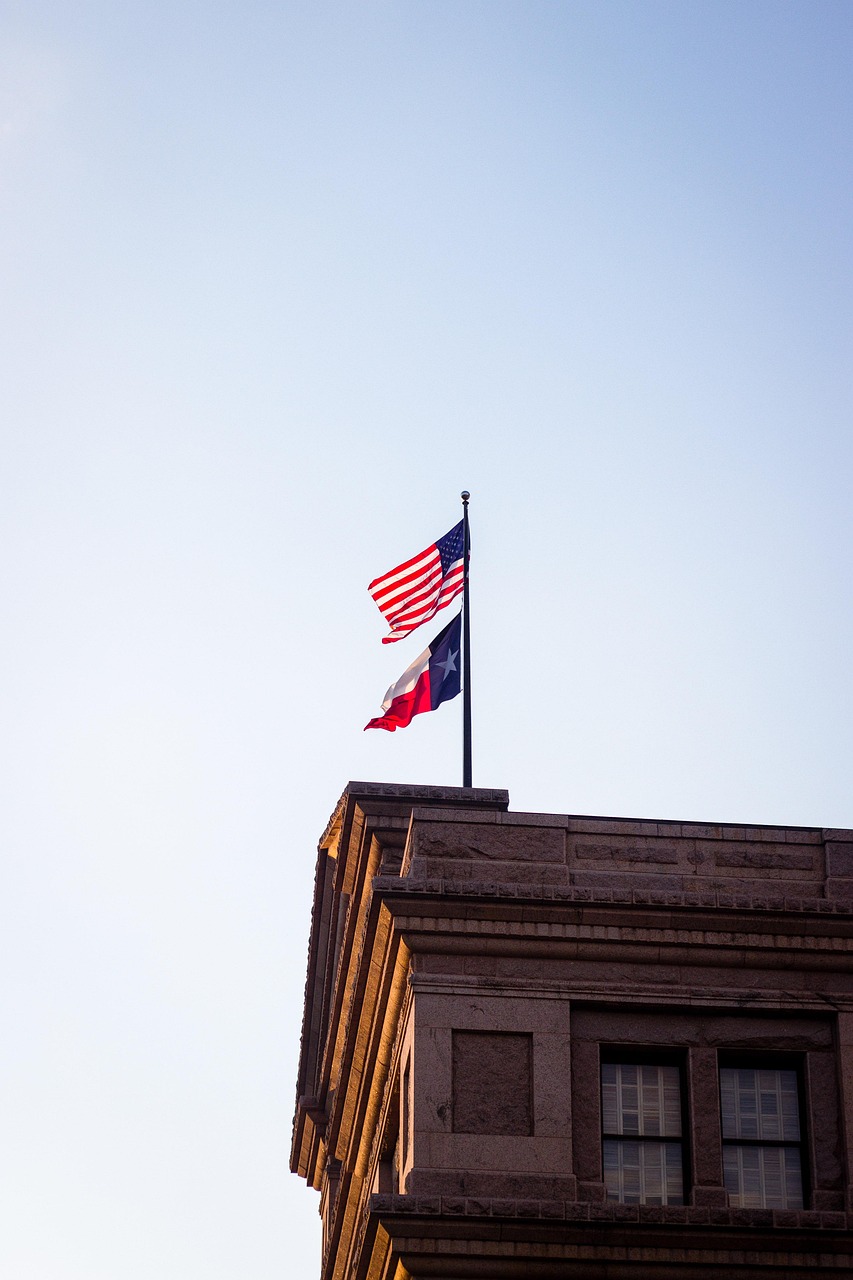
When displaying Confederate States of America flags at military ceremonies, it's crucial to understand both historical context and contemporary sensitivities. The flag, with its complex symbolism, has evolved significantly since its inception, leading to varied interpretations and ongoing debates. The vintage confederate flag marketplace offers a range of options, but their display should be guided by respect and accuracy.
Ceremonial displays must balance historical honor with the risk of modern appropriation. As flagging historical vs. Current meanings can be contentious, organizers should provide clear context and education. A Civil War Museum might display an antique confederate flag to illustrate a bygone era, accompanied by interpretive signage that explains its historical role and the ongoing debate surrounding its use. This approach respects the past while ensuring a nuanced understanding of the present.
Legal considerations play a vital role. The U.S. Copyright Office and Trademark Registry offer guidelines on using protected symbols, such as the Confederate flag, publicly. Using these flags at official ceremonies requires careful consideration of intellectual property rights, especially when employing custom designs or adaptations. A best practice is to consult with an Intellectual Property Law Firm to ensure compliance and avoid potential legal issues, especially when dealing with modern confederate flag appropriation.
Organizers should also be mindful of the context in which these flags are displayed. While some may see them as a symbol of heritage, others perceive them as a reminder of a system built on slavery and oppression. This divide underscores the importance of thoughtful, respectful display, especially at public ceremonies. By understanding these nuances, military installations can understand confederate flags, ensuring both historical accuracy and contemporary sensitivity.
Symbolism and Misinterpretations: Navigating Delicate Terrain

The display of Confederate States of America flags at military ceremonies is a deeply sensitive issue, laden with historical, cultural, and political symbolism. While these flags hold sentimental value for some, they are also inextricably linked to a tumultuous period of American history marked by slavery and racial oppression. Navigating this delicate terrain requires a nuanced understanding of the flag's varied interpretations and a commitment to respectful, contextually appropriate display.
The Confederate flag, including designs like the "Battle Flag" and the "Old South" flag, has evolved in meaning over time. However, others view it as a vestige of a racist past, perpetuating the memory of a confederacy founded on the preservation of slavery. This disparity in interpretation is further complicated by the appropriation of Confederate symbolism in modern times, as seen in the proliferation of flags on clothing and accessories through platforms like Etsy, reflecting a more controversial and often misunderstood application of these symbols.
The legal and cultural landscape adds another layer of complexity. The intellectual property rights surrounding flag designs, including those of the Confederate variety, are well-defined, with trademarks registered and copyright laws in place. Custom Flag Studios and other manufacturers, for instance, must navigate these legal frameworks when creating flags for sale. However, the public display of Confederate flags in public spaces remains a contentious issue, with advocates for removing them citing their offensive nature and the potential for inciting racial strife. The U.S. Copyright Office and Trademark Registry serve as key resources for resolving such disputes, ensuring that any use of Confederate flag imagery is done so responsibly and with respect for the law.
In the context of military ceremonies, it's crucial to strike a balance between preserving historical memory and honoring current values. While the Confederate navy flags explored by historians can be displayed as part of a broader, well-contextualized narrative, any use of these flags must be approached with utmost care. Organizations like the U.S. Army and Navy have established guidelines for the respectful display of flags, emphasizing the importance of understanding the historical context and avoiding any interpretation that could be perceived as promoting discrimination or bigotry. Give us a call at controversy over confederate flags for expert guidance on navigating these challenges, ensuring that military ceremonies remain platforms for unity and respect, not division.
Legal and Cultural Considerations: Displaying Respect and Sensitivity

The display of Confederate States of America flags at military ceremonies requires a delicate balance between honoring history and respecting contemporary sensitivities. While the Confederate battle flags, as depicted in various guides like the Confederate battle flags guide why do people fly confederate flags, hold cultural significance for some, their use in public and official settings has been a source of controversy. As symbols of a bygone era, these flags evoke a range of emotions, from pride in ancestral heritage to deep offense for those who associate them with slavery and oppression.
When considering the legal and cultural dimensions of flag display at military ceremonies, it is crucial to approach the matter with both sensitivity and respect for the rules governing intellectual property and historical representation. The Trademark Registry and Copyright Office, among others, play vital roles in ensuring that any commercial use of confederate symbols, including flags, is done in compliance with legal requirements.
Most installations take one to two days to properly display confederate flags at ceremonies, a process that involves meticulous planning and attention to detail. This includes selecting the appropriate flag based on the event's purpose, ensuring it is properly flown according to the Flag Maker's Guild's guidelines, and understanding the flag's symbolism and its potential impact on diverse audiences. The most popular Confederate flags often feature the Stars and Bars design, but their display should be accompanied by an explanation of their historical significance, as displayed in the University of Virginia Library's collections.
As confederate symbols evolve in modern times, including their appropriation in pop culture and political protests, it becomes increasingly important to approach their display at military ceremonies with care. The Costume Association of the South, for instance, discourages the use of confederate flags in costumes or any context that trivializes the historical struggle and suffering associated with the era. Instead, it encourages the exploration of contemporary uses of Confederate symbols as a means of fostering cultural awareness and resolving public display debates. This can be achieved by promoting education, encouraging dialogue, and supporting initiatives that address the historical misinterpretations surrounding these symbols, ultimately leading to a more inclusive understanding of America's past.
Best Practices: Honoring Tradition, Avoiding Offense

When displaying Confederate States of America flags at military ceremonies, it's crucial to approach the practice with a deep understanding of history and respect for contemporary sensitivities. While the flag holds significant historical value for some, it has also become a symbol of controversy, often misunderstood or misused. To ensure these ceremonies remain both meaningful and inclusive, several best practices should be followed.
First, fixing historical misinterpretations is essential. The Confederate flag, once a symbol of states' rights and secession, has evolved in public perception over time. It's critical to recognize that its use during the Civil War era represented a complex and deeply flawed system of slavery and white supremacy. Today, displaying the flag without proper context or an understanding of its historical significance can be hurtful and offensive. Using it as a mere decorative element or as a symbol of regional pride without acknowledging its roots in racial inequality dilutes its historical weight and disrespects the suffering of countless individuals.
Second, consider the context of the ceremony. Military functions often blend historical remembrance with current celebrations and values. When deciding to display Confederate flags, organizers should weigh the potential impact on participants and guests. While some veterans may feel a personal connection to the flag as a symbol of their service, others, particularly those of diverse backgrounds, may find it distasteful or triggering. Striking the right balance between honoring tradition and respecting contemporary sensibilities is key.
Third, consult with local retailers for Confederate flags and historical institutions like the University of Virginia Library or the Civil War Museum. These organizations can provide valuable insights into the flag's historical use, significance, and contemporary interpretations. They can also offer guidance on appropriate display methods and any relevant legal considerations, such as intellectual property rights or trademark regulations, especially when dealing with reproduction or imitation flags.
Lastly, be mindful of film and tv confederate flags and other cultural representations. Popular media often portrays the Confederate flag in various contexts, some of which may be controversial. Using these portrayals as a reference can help ensure flags are displayed appropriately, avoiding any potential offense. Remember, the goal is to honor the past while fostering a present and future that values unity, equality, and respect for all.
Restoring Respectful Flag Display at a National Cemetery
Situation
A national cemetery in a southern US state faced a significant challenge regarding the display of flags at military ceremonies. The cemetery's staff observed that certain individuals were flying the Confederate battle flag, a symbol deeply tied to a complex and sensitive historical period, during memorial services. This raised concerns about appropriateness, respect, and the potential for causing distress to families and visitors, especially those with a history of Confederate heritage.
Action
The cemetery's administration decided to implement a new policy focusing on respectful flag display and education. They took the following steps:
-
Policy Revision: They updated their guidelines for flag display, emphasizing the importance of historical context and sensitivity. The policy now strictly prohibits the use of the Confederate battle flag during official ceremonies unless explicitly allowed for historical reenactments or educational purposes.
-
Staff Training: All cemetery staff members underwent training on the history of Confederate flags, their symbolism, and the importance of respectful display. This training aimed to ensure staff members could recognize and address any inappropriate flag displays.
-
Visitor Education: Informative signs were placed at various entry points, explaining the cemetery's flag policy and the historical significance of the flags on display. These signs also encouraged visitors to learn more about the complex history associated with the Confederate flag.
-
Collaboration with Veterans Groups: The cemetery administration reached out to local veterans organizations and historical societies to collaborate on educational initiatives. These partnerships aimed to foster a better understanding of the flag's symbolism and its place in different historical narratives.
Result
The new policy and initiatives had positive outcomes:
- Staff members felt more confident in addressing any potential issues, leading to a more consistent and respectful atmosphere during ceremonies.
-
Increased Visitor Satisfaction: Feedback from families and visitors indicated a sense of improved comfort and respect within the cemetery. The educational signs were particularly well-received, with many visitors expressing interest in learning more about the history and symbolism of various flags.
-
Enhanced Community Engagement: The collaboration with veterans groups led to successful educational events, attracting a diverse audience interested in historical discussions. These events contributed to a more nuanced understanding of the Confederate flag's complex history, fostering a more inclusive and respectful community environment.
Comparing Flag Display Options for Military Ceremonies
This section compares different approaches for displaying flags at military ceremonies, focusing on their key features, use cases, strengths, limitations, and cost-performance.
| Feature | Traditional Flag Pole Display | Retractable Flag System | LED Flag Display |
|---|---|---|---|
| Key Features | Uses physical flag poles and flags. Simple, direct display. | Mechanized system for raising and lowering flags. Can be automated. | Digital display shows flag images. Can be programmed to change designs. |
| Best Use Cases | Suited for outdoor ceremonies with a traditional, formal atmosphere. | Ideal for environments where frequent flag changes are needed, like military bases. | Effective for indoor and outdoor events, offering flexibility in design and lighting. |
| Strengths | Affordably priced and easy to install. Widely available. | Offers control over flag presentation, suitable for ceremonial occasions. | Can create dynamic visual effects, allowing for more creative ceremonies. |
| Limitations | A single design displayed at a time. Subject to weather conditions. | Requires maintenance and can be complex to set up. | Initial setup cost is higher. Dependence on electricity. |
| Cost/Performance | Generally low cost, with ongoing expenses for flag replacement. | Moderate initial investment, but potentially lower long-term costs due to automation. | Higher upfront cost, but offers long-term flexibility and control. |
Quick Reference
- Display sizes and arrangements should be appropriate for the event and venue, ensuring maximum visibility.
- Flags must be clean, well-maintained, and free from damage or stains.
- Use appropriate flagpoles and hardware for security and to meet guidelines.
- Consider the placement of honor guards and other ceremonial elements for a balanced display.
- Respect local laws and regulations regarding flag display, including restrictions on outdoor ceremonies.
- Ensure flags are properly folded and presented during ceremonies, following established protocols.
- Train personnel on the historical significance and appropriate use of each flag displayed.
- Be mindful of weather conditions and take necessary precautions to protect flags from wind or rain.
- Regularly inspect and maintain flags and hardware to ensure longevity and proper display.
Frequently Asked Questions About Flag Display at Military Ceremonies
What is the protocol for raising and lowering flags at military ceremonies? The protocol involves a precise, ceremonial routine. When raising a flag, it should be done slowly and with honor, ensuring the flag is fully extended. Lowering the flag, likewise, requires careful execution, often accompanied by a moment of silence. The specific procedure can vary by event and location, but the core principles of respect and solemnity remain constant.
How should flags be displayed to show proper respect? Flags should be flown at the appropriate height, typically at half-staff (or half-mast on water) as a sign of mourning or respect. They should be clean, well-maintained, and not torn or damaged. When a flag is no longer suitable for display, it should be retired and disposed of in a dignified manner, often through burning.
What are the different types of flags used in military ceremonies? Military ceremonies employ various flags, including the national flag, service flags (e.g., Army, Navy, Air Force), state flags, and historical banners. Each flag carries its own symbolism and significance, representing the values, history, and units involved in the ceremony.
When and why might a flag be flown at half-staff? Flags are flown at half-staff as a sign of mourning or respect upon the death of a current or former public figure, a member of the armed forces, or a civilian whose death warrants such a display. The practice is a somber one, often observed on national holidays and in memory of significant events.
Are there specific guidelines for displaying flags outdoors? Yes, outdoor flag displays should be weather-resistant and secure. Flags should be mounted on poles that are sturdy enough to withstand environmental conditions. They should be positioned where they are visible and respectful, avoiding placement that might cause them to be damaged or obstructed.
What is the significance of the colors and designs on military flags? The colors and designs on military flags hold deep symbolism. They often represent the unit's history, achievements, and values. Specific colors might evoke courage or sacrifice, while unique patterns or symbols mark the unit's identity and its place in military history.
How should flags be displayed during a military funeral? At a military funeral, flags are typically displayed on a flagstand or held by honor guard members. They are raised and lowered according to protocol, and a moment of silence is observed during the lowering. The flag is then presented to the next of kin, symbolizing the service member's final service to their country.
Understanding and displaying the Confederate States of America Flags requires a nuanced approach that balances historical context, ceremonial protocol, legal considerations, and cultural sensitivity. The article has provided a practical guide through the intricate symbolism and interpretations of these flags, highlighting the importance of respecting both their historical significance and the potential for offensive misinterpretations. Key takeaways include adhering to established ceremonial display guidelines, recognizing the ongoing debate surrounding their public display, and understanding the legal protections afforded to flag designs under intellectual property laws.
Moving forward, it's crucial to engage in open dialogue, promote cultural awareness, and support initiatives that foster a deeper understanding of the historical context behind the flags. By doing so, we can ensure that these symbols are honored appropriately, avoiding offense and preserving the integrity of their representation in military ceremonies. Whether through educational programs, responsible flag manufacturing, or thoughtful public discourse, the path forward lies in responsible stewardship of our shared history and cultural heritage.
The flags are deeply rooted in history, symbolizing complex and often contentious aspects of the Civil War era. Their modern display at military ceremonies requires a nuanced understanding of historical context, cultural sensitivities, and legal considerations. Best practices involve fixing historical misinterpretations, considering ceremony context, consulting historical institutions, and being mindful of media portrayals. These steps ensure respectful and inclusive ceremonies, honoring the past while promoting a future of unity and equality.