
Modern flags inspired by history explore the past to create new symbols. The Confederate flag, for example, has a complex history and remains a controversial symbol today. Understanding its origins and evolving meanings is crucial when considering its display. Many modern flags reinterpret historical designs, but context and cultural awareness are essential to avoid appropriation and promote respect.
Key Takeaways
- Historical flags can inspire modern designs, offering a unique blend of tradition and contemporary aesthetics.
- Understanding the symbolism and context of historical flags is crucial for respectful and appropriate modern interpretation.
- The interpretation of flags evolves over time, with modern audiences often assigning new meanings to historic symbols.
- Controversial flags from the past can be recontextualized and reimagined to promote cultural awareness and understanding.
- Authentic historical flags can be sourced from specialized vintage marketplaces and local retailers for both personal and educational use.
- Online stores offer a wide variety of historical flag options, making it accessible to learn and display these symbols responsibly.
- The display of historical flags in public spaces should be guided by local laws and respect the sensitivities of diverse communities.
The Confederate States of America Flags have long been a subject of fascination and controversy, inspiring modern designs that range from tribute to controversy. This article examines the intricate relationship between historical flags and their contemporary interpretations, exploring how the past continues to shape modern symbols.
The problem lies in the complex emotional and historical baggage associated with these flags, often leading to misunderstandings and heated debates. We aim to provide a practical guide to navigating this delicate territory, offering insights into flag design, historical context, legal considerations, and cultural implications.
By examining these factors, we aim to offer a balanced perspective on modern flags inspired by the Confederate States of America, empowering readers to appreciate historical heritage while promoting cultural awareness and sensitivity.
- Understanding Confederate Era Flags
- Evolution: From History to Modern Symbols
- Exploring Controversial Displays & Meanings
- Decoding Design Elements & Seal Symbols
- Reimagining Heritage: Authentic Flag Sources
Understanding Confederate Era Flags

Understanding Confederate Era Flags
The Confederate States of America Flags, often called Confederate flags, are a complex and sensitive subject, rich in history and laden with modern connotations. To navigate their display and interpretation, it's crucial to examine their origins and the diverse perspectives they evoke. These flags, once symbols of a nation, now spark debate, reflecting a broader struggle with historical memory and cultural representation.
The design and symbolism of Confederate flags have evolved over time, reflecting shifts in societal values and interpretations. The most well-known design, featuring a blue field with a white star and bars, has been both embraced and condemned, with its meaning shifting from a mark of regional pride to a symbol of slavery and white supremacy. This dichotomy underscores the importance of contextual understanding and responsible display.
When considering the use of Confederate flags, it's essential to differentiate them from Southern flags. While Southern flags may represent regional identity and pride, Confederate flags specifically evoke the era of the Confederacy, a complex period marked by both bravery and brutality. The line between celebration and offense is fine, and the legalities of flag display are significant. In some U.S. States, flying a Confederate flag on public property is prohibited due to its association with hate speech and racial discrimination.
Reimagining Confederate heritage through the lens of these flags is a delicate process. Authentic Confederate flags can be found at specialized online stores and local retailers, but their display must be done with care. As seen many people are choosing to remove Confederate flags from public spaces, replacing them with more inclusive and historically accurate representations. Etsy and Custom Flag Studio, for instance, offer unique designs that capture the spirit of the era without perpetuating harmful stereotypes, providing users with responsible options for display. This evolution in flag design reflects a broader cultural shift toward understanding and respecting the complex legacy of the Confederacy.
Evolution: From History to Modern Symbols

The evolution of the Confederate States of America Flags from historical symbolism to modern symbols is a complex narrative that reflects shifting cultural landscapes and interpretations. In the immediate aftermath of the Civil War, these flags represented a shattered nation and a deeply divided people. Over time, they have taken on new meanings, with some embracing a nostalgic view of a bygone era, while others see them as potent symbols of cultural heritage and pride. This transformation is not merely about aesthetics; it's a reflection of society's changing values and the ongoing debate about historical memory.
The Confederate battle flags, once flown on battlefields, have seen a surge in popularity among some groups seeking to assert what they perceive as Southern cultural identity. This has sparked contentious discussions about the appropriateness of displaying these flags in public spaces, given their association with slavery and racial oppression. In contrast, others have embraced the unique designs of Confederate flags as a means of artistic expression, using them in creative ways that transcend their historical context. As we move into the 21st century, the Confederate States of America Flags continue to be a point of contention, with ongoing debates about flagging historical vs. Current meanings.
Understanding these flags requires a nuanced perspective. While some advocate for the removal of Confederate flags from public spaces, citing their hurtful legacy, others argue for their preservation as a part of historical interpretation. This is particularly evident in the growing market for affordable Confederate flag options, which caters to those interested in exploring this aspect of history. Online retailers and vintage marketplaces offer a plethora of Confederate flags, some meticulously crafted by independent artists, providing a platform for both historical study and personal expression. Even the U.S. Copyright Office and Trademark Registry have had to navigate these complexities, ensuring the protection of intellectual property rights while also addressing concerns around cultural appropriation.
The Confederate navy flags explored in academic institutions like the University of Virginia Library and Civil War Museum offer valuable insights into the naval history of the Confederacy. These flags, with their distinct designs and symbolism, serve as tangible links to the past, prompting historical discussions and debates. As we navigate these complexities, it's crucial to approach the topic with sensitivity, recognizing both the need to preserve history and the importance of interpreting it in a way that is respectful and inclusive. Give us a call at resolving public display debates to learn more about how these issues are being addressed.
Exploring Controversial Displays & Meanings
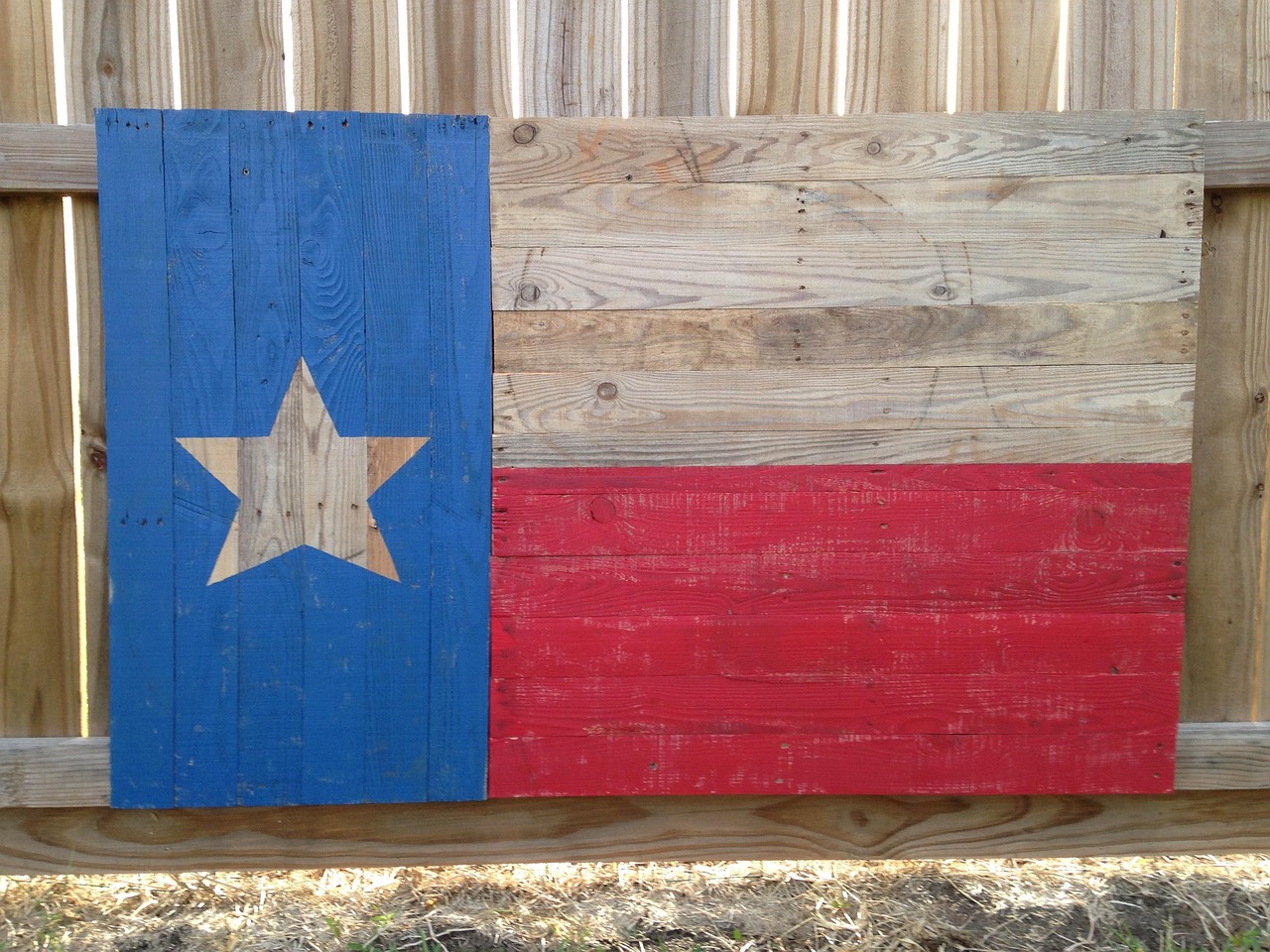
The display and interpretation of Confederate States of America Flags, once a ubiquitous sight in many communities, has become a highly charged and controversial topic in contemporary America. While some view them as symbols of a bygone era and a connection to their ancestors' history, others see them as deeply offensive reminders of slavery and racial inequality. This conflict underscores the importance of understanding the historical context and the evolution of symbolism associated with these flags.
Reclaiming Confederate heritage solutions for confederate flag controversies require a nuanced approach. It is crucial to recognize that these flags have been used for various purposes over time. In literature, they have appeared in historical narratives, reflecting the complex and often tragic experiences of the Civil War era. However, their appropriation in modern contexts, such as political protests or in a way that glorifies or trivializes the Confederacy, has sparked widespread public debate. Engaging with this issue requires open dialogue and respect for different perspectives.
Local retailers for Confederate flags, like specialty stores or online platforms (e.g., Etsy, Custom Flag Studio), play a role in this debate. They offer a range of Confederate flags, from historically accurate reproductions to those with added symbolism, catering to varying customer preferences. However, it's essential to ensure that these flags are displayed respectfully and in appropriate contexts. The U.S. Copyright Office and Trademark Registry provide legal frameworks that protect intellectual property but also offer guidance on public display rights. When purchasing or displaying Confederate flags, it's advisable to consult with legal experts, especially when dealing with antique or rare flags, to ensure compliance with local laws and respect for diverse cultural perspectives.
It's crucial to differentiate between historical research and appropriation. Scholars and museums, like the University of Virginia Library and Civil War Museum, contribute to a deeper understanding of the Confederacy through meticulous research and the preservation of primary sources. By studying these flags within their historical context, we can begin to interpret their meanings and their place in our nation's narrative. This nuanced approach is essential in resolving public display debates and promoting a more inclusive understanding of American history.
Decoding Design Elements & Seal Symbols

The Confederate States of America Flags, with their intricate designs and symbolism, offer a rich mix of historical insight. Decoding these flags requires an understanding of their origin and the cultural context in which they were created. Each element, from the stars to the colors, carries a message. The arrangement of stars on the flag can indicate the number of states in the Confederacy at a given time, while the use of specific colors like red and white may represent the South's agricultural heartland.
Antique Confederate flag collections provide a window into the past, allowing historians and enthusiasts to study these symbols in their original form. These flags, often meticulously preserved, reveal the level of craftsmanship and attention to detail that went into their creation. By examining these artifacts, one can uncover hidden messages within the banners. The inclusion of a particular seal design on a flag can provide insights into the political and social climate of the era, offering a unique perspective on the Confederacy's identity and aspirations.
Flagging history: Confederate era, as depicted in the Civil War Museum and documented by the University of Virginia Library, offers a comprehensive view of the flags' evolution. This historical record is invaluable for those seeking to understand the symbolism behind the designs. As the Confederacy's goals and alliances changed, so did its flags. Reclaiming confederate heritage solutions for Confederate flag controversies often begin with a thorough examination of this history. By understanding the context in which these flags were used, it becomes possible to appreciate them as historical artifacts rather than purely controversial symbols.
When interpreting these flags, it's crucial to move beyond superficial appearances. As the FlagCrafters and Custom Flag Studio demonstrate, modern flag makers often draw inspiration from historical designs while adding contemporary twists. This practice raises important questions about cultural appropriation and the proper display of Confederate symbols. Engaging with these issues requires a nuanced understanding of both the past and present, as well as open dialogue. Contacting an Intellectual Property Law Firm or consulting with the Copyright Office and Trademark Registry can provide guidance on navigating these legal and cultural considerations, ensuring that the rich history of Confederate States of America Flags is preserved while promoting responsible and respectful display.
Reimagining Heritage: Authentic Flag Sources

Reimagining Heritage: Authentic Confederate Flags
Understanding the historical significance of the Confederate States of America Flags (CSA flags) is crucial when considering their modern use and interpretation. While their past is complex, the contemporary display of these flags is a topic of significant debate. Many Americans, particularly those with Southern cultural heritage, view them as symbols of pride and history, while others see them as problematic remnants of slavery and racial oppression. To navigate this delicate issue, it's essential to acquire these flags from reputable sources that prioritize both historical accuracy and ethical considerations.
The most popular Confederate flags today often reflect the specific period they represent, such as the "St. Andrew's Cross" flag of the early Confederacy. These specialists can help decode the symbolism behind the flags, from the colors to the intricate seal designs, providing valuable context for modern display. Understanding the unique design choices from the Confederate navy flags through the decades offers insights into the evolving maritime identity of the Confederacy.
However, modern confederate flag appropriation is a growing concern, with some using these symbols in ways that trivialize or misrepresent their historical context. To avoid this, consumers should prioritize purchasing flags from reputable online stores, such as those listed by the University of Virginia Library's digital collections, or local retailers known for their commitment to historical accuracy. This approach ensures that the display of Confederate flags remains a nuanced conversation about heritage, history, and cultural sensitivity, rather than a mere fashion statement. When navigating the legal and cultural considerations surrounding the CSA flags, it's crucial to consult with legal experts in intellectual property and copyright, ensuring both compliance and respect for historical significance.
Frequently Asked Questions About Modern Flags Inspired by History
What are modern flags inspired by history?
Modern flags inspired by history are contemporary designs that draw elements from historical flags, often from specific periods or cultural heritages. These flags are created to honor the past, celebrate cultural identity, or make a political statement. They can be distinct variations of original flags or entirely new creations that capture the essence of historical symbolism. The practice of creating modern flags based on historical models has become a way to connect with cultural roots, remember significant events, and sometimes spark debate about historical interpretations.
Why are people interested in displaying historical flags today?
People display historical flags today for a variety of reasons. For many, it's a way to connect with their ancestral heritage and express cultural pride. It can also serve as a tool for historical education, allowing people to learn about and remember past events and symbols. However, the display of historical flags can also be controversial, as some symbols may be perceived as offensive or associated with hate groups, leading to ongoing debates about public display and cultural sensitivity.
What is the difference between a historical flag and a modern flag inspired by history?
While both historical flags and modern flags inspired by history are rooted in the past, the key difference lies in their purpose and context. Historical flags represent specific nations, regions, or causes from a bygone era, often carrying profound cultural and political significance. In contrast, modern flags inspired by history are contemporary creations that may borrow elements from historical flags but are often designed to represent current cultural identities, political movements, or artistic expressions.
How can one tell the difference between a respectful use of historical symbols and appropriation?
Determining the difference between respectful use and appropriation often involves understanding context, intent, and cultural significance. Respectful use involves acknowledging and honoring the original cultural and historical meaning of a symbol, often with the permission or support of the original culture. Appropriation, on the other hand, involves the unacknowledged or exploitative use of cultural symbols for personal gain, often without regard for their original meaning or cultural context.
What are some examples of modern flags inspired by history that have sparked controversy?
Several modern flags inspired by history have sparked controversy due to their potential associations with hate groups or controversial historical figures. The use of certain symbols from the Confederate era in modern flags has been a point of contention, with debates surrounding the flag's representation of slavery and racial supremacy. Similarly, the incorporation of symbols from authoritarian regimes in modern flags has raised concerns about political propaganda and the normalization of repressive ideologies.
Where can one find authentic modern flags inspired by history?
Authentic modern flags inspired by history can be found through specialized online retailers, vintage marketplaces, and local retailers. Reputable online stores often offer a wide range of options, allowing buyers to explore diverse designs and learn about the historical context behind each flag. Local retailers, including specialty stores and historical societies, also carry a selection of historical flags, providing an opportunity to support small businesses and gain firsthand knowledge about their significance.
Quick Reference
- Research historical context: Understand the symbolism and origin of flags before designing modern interpretations.
- Avoid appropriation: Respect cultural heritage; don't use indigenous or cultural symbols without consent.
- Define your purpose: Clearly state the intended message and target audience for your modern flag design.
- Stick to symbolism: Use symbols and colors with historical significance to convey meaning effectively.
- Consider cultural impact: Understand how your design might be perceived by diverse audiences, past and present.
- Respect current laws and customs: Ensure your flag's display complies with local regulations and cultural norms.
- Engage in dialogue: Be prepared to discuss and explain your design choices to foster understanding.
- Promote education: Use your flags as a starting point for conversations about history and cultural sensitivity.
Revitalizing Heritage: A Community Embraces Modern Flags Inspired by History
Situation
In the heart of America, a small town faced a dilemma. The local historical society had recently acquired a collection of rare, antique Confederate flags, donated by a local collector. While these flags held immense historical value, their presence in the community sparked a heated debate. Some residents saw them as symbols of pride and a connection to their ancestors, while others viewed them as remnants of a divisive past that glorified slavery and oppression. The town's mayor sought a solution that would both honor the history and foster understanding among residents.
Action
The historical society organized a series of workshops and public forums to address the controversy. They invited historians, educators, and community leaders to participate in these discussions. The goal was to interpret the flags' symbolism, understand their place in the community's history, and explore ways to display them respectfully. The society also partnered with local artists and craftspeople to create modern flags inspired by historical designs, blending old and new to create a visual dialogue.
These new flags incorporated the same color schemes and basic shapes as the antique Confederate flags but featured updated designs and symbols. A stylized version of the confederate star was replaced with a modern, abstract design that represented unity and freedom. The community was actively involved in this process, offering suggestions and ensuring that the new flags reflected their values.
Result
The town's approach to the flag controversy resulted in a unique and powerful display that became a destination for tourists and locals alike. The antique Confederate flags were placed in a dedicated exhibit at the local museum, surrounded by interpretive panels that explained their historical context and the symbolism behind them. The modern flags were strategically hung throughout the town, adorning public buildings, schools, and businesses.
This dual display allowed residents to engage with their history in a thoughtful and constructive way. The new flags became a symbol of reconciliation and understanding, fostering dialogue and encouraging a deeper appreciation for the complex legacy of the Confederacy. The initiative was so successful that it inspired other communities to adopt similar approaches, creating a movement that honored the past while looking towards a more inclusive future.
Modern vs. Historical Flag Design: Key Differences and Considerations
This section compares modern flags inspired by history with their historical counterparts, highlighting key design features, intended use, strengths, limitations, and cost-performance trade-offs.
| Feature | Modern Flags Inspired by History | Historical Flags |
|---|---|---|
| Key Features | Designs often draw from specific historical events, figures, or symbols, but with contemporary color palettes and stylizations. | Represent specific historical periods, regions, or ideals, using traditional color schemes and motifs. |
| Best Use Cases | Ideal for educational purposes, cultural heritage celebrations, and artistic expression. | Used for historical commemoration, national pride, and symbolic representation. |
| Strengths | Offer a fresh perspective on history, appealing to modern audiences while preserving cultural memory. | Evoke a sense of identity, connection to the past, and historical continuity. |
| Limitations | Can be subject to misinterpretation or oversimplification of historical events. | May lack contemporary relevance and appeal, especially for younger generations. |
| Cost/Performance | Generally affordable, with options available from online retailers and specialty stores. | Can range widely in cost, depending on material, craftsmanship, and rarity. Vintage flags may be expensive. |
The exploration of modern flags inspired by the Confederate States of America Flags reveals a complex interplay of historical preservation, cultural interpretation, and contemporary debate. By understanding the design, evolution, and symbolism of these flags, we gain insight into the broader social and political landscape. Key takeaways include recognizing the nuanced meanings behind various flag designs, understanding the legal considerations surrounding public display, and appreciating the importance of authentic sources for historical flags.
Moving forward, addressing the controversy surrounding Confederate flags requires a balanced approach. This includes promoting cultural awareness, resolving public display debates through thoughtful consideration and historical context, and exploring solutions that honor the past while respecting current sensitivities. By decoding the symbols and seals, we can better navigate the historical vs. Current meanings, ultimately contributing to a more informed and respectful dialogue around the Confederate States of America Flags.
Understanding Flags
CSA flags are complex historical symbols, evoking strong emotions. Their design and meaning have evolved, reflecting shifts in societal values. While some view them as symbols of regional pride, others see them as reminders of slavery and white supremacy. The line between historical commemoration and offense is fine, with legalities of display varying by region.
Reimagining Confederate heritage involves responsible flag display. Authentic flags can be sourced from specialized online stores and local retailers, focusing on historical accuracy. Flag makers offer designs that capture the spirit of the era without perpetuating harmful stereotypes. This evolution reflects a broader cultural shift toward understanding and respecting the Confederacy's complex legacy.
Key considerations:
- Historical Context: Understand the era and circumstances behind each flag design.
- Reputable Sources: Purchase flags from specialists ensuring historical accuracy and ethical production.
- Legal Awareness: Consult legal experts in intellectual property and copyright to navigate display considerations.