
Key Takeaways
- Civil War reenactments prioritize historical accuracy to respect the sacrifices of the past.
- Attention to detail in uniforms, weaponry, and tactics enhances the authenticity of reenactments.
- Reenactors often spend countless hours researching and recreating specific units and battles.
- Accuracy in reenactments can contribute to a deeper understanding of the Civil War's complexities.
- Proper context and historical perspective are crucial when interpreting reenactments.
- Different groups may have varying interpretations of historical events, reflecting diverse perspectives.
- Open communication and education are key to resolving controversies surrounding reenactments.
Civil War reenactments prioritize historical accuracy to respectfully remember the past. Reenactors meticulously research and recreate uniforms, weapons, and equipment from the 1860s. They also strive to understand the social, political, and cultural context of the era, aiming to educate participants and viewers about the Civil War's significance and its ongoing impact on America.
The accurate representation of Confederate States of America Flags in civil war reenactments is a crucial aspect of preserving history and respecting cultural sensitivity. However, the use of these flags has become fraught with controversy, as their symbolism continues to evoke strong emotions. This article examines the intricate issue of flag usage in reenactments, exploring the historical context, design nuances, and legal considerations surrounding the iconic Confederate flags. We provide practical guidance for reenactors, highlighting the importance of authenticity, cultural awareness, and responsible interpretation, especially when depicting such a contentious period in American history.
- Understanding Confederate Flags: Historical Context
- Reenactment Accuracy: Beyond the Flag
- Decoding Confederate Symbolism: Beyond the Surface
- Displaying Respect: Ethical Considerations for Flags
- Modern Controversial Uses: From Past to Present
- Authentic Flags: Resources for Historical Accuracy
Understanding Confederate Flags: Historical Context
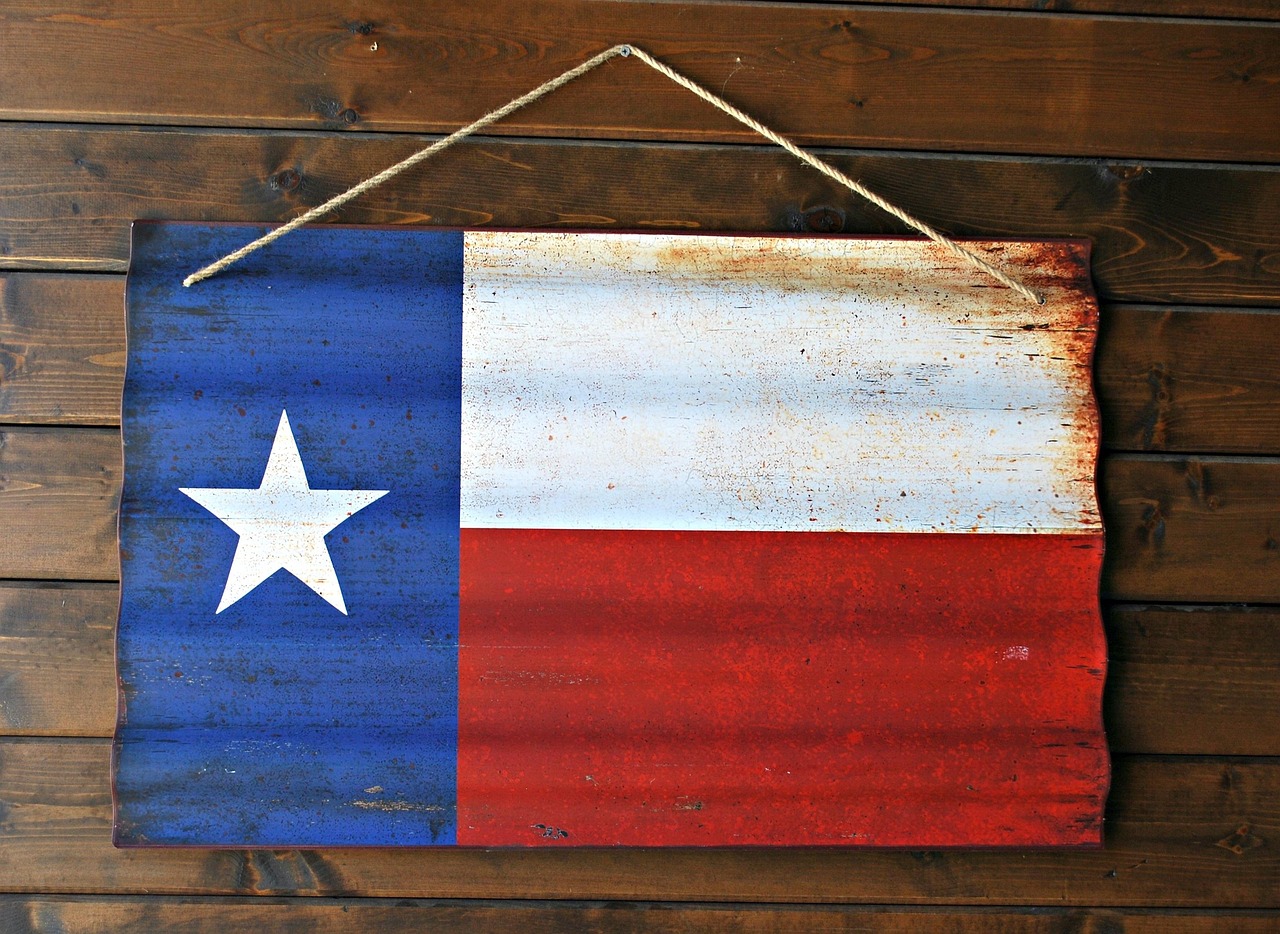
The Confederate States of America Flags, or "CSA flags," carry a rich and complex history that is often misunderstood, especially in the context of modern civil war reenactments. These flags, once symbols of a nation, now serve as focal points of debate and cultural examination. To accurately portray the past at reenactments, it's crucial to understand the nuances of CSA flags, their designs, and their evolving symbolism.
Differences between Confederate flags can be subtle yet significant. Vintage confederate flag marketplaces offer a variety of options, each with unique characteristics. The flag's color scheme and the inclusion of specific seals or emblems can date it to different periods, reflecting the Confederacy's evolution during the Civil War era. As reenactors, it's important to research and choose flags that align with the historical context of the event and the specific regiment or unit they aim to represent. This attention to detail not only enhances the authenticity of the reenactment but also fosters a deeper understanding of the era.
The contemporary use of Confederate symbols has sparked important conversations about cultural appropriation and heritage. While some see these flags as a celebration of Southern cultural heritage, others view them as a painful reminder of slavery and oppression. Understanding the historical context surrounding these flags is essential for resolving public display debates. By visiting us at controversy over confederate flags, one can engage in these discussions, explore the nuances, and promote a more nuanced and historically accurate perspective on the Confederate States of America Flags.
This complex historical narrative also extends to the present-day interpretation of symbols. Flags from the era have found their way into modern pop culture, film, and literature, often with a twist or a new meaning. However, these adaptations can lead to misinterpretations. Reenactors and enthusiasts must be mindful of these contemporary uses and ensure that the flags are displayed and used responsibly, reflecting the respect due to the historical events and people they represent.
Reenactment Accuracy: Beyond the Flag

In civil war reenactments, accuracy goes beyond the display of the Confederate States of America flags. While the flag itself is a powerful symbol, reenactors and enthusiasts must examine deeper into the historical context to portray the era authentically. Understanding the nuances of Confederate flags-from their design and symbolism to the cultural interpretations-is crucial for anyone aiming for historical accuracy. This involves not just what the flag represents, but understanding confederate flag colors and the hidden messages within the design. Different flags throughout the Confederacy's existence bore unique variations, reflecting regional differences and shifting political alliances.
Beyond the physical flag, reenactors must consider the broader cultural landscape of the time. Vintage confederate flag marketplace offerings can provide insights into popular design elements and regional variations, but they should be approached with a critical eye. As with any historical artifact, context is key. A flag's meaning can change dramatically depending on the time period, location, and individual perspective. This is especially true when considering confederate flags in literature-a realm where symbols can be interpreted and misconstrued in unexpected ways. A passage from a 19th-century novel might use the flag as a symbol of regional pride, while a modern reader could interpret it through the lens of slavery and oppression.
Accurate reenactment requires an ongoing effort to "fix historical misinterpretations. " This involves rigorous research, consultation with historical societies and museums (like the Civil War Museum), and collaboration with experts. By adhering to these practices, reenactors can ensure that their portrayal of Confederate States of America flags is both respectful and historically accurate. Give us a call at fixing historical misinterpretations to learn more about navigating this complex topic.
Decoding Confederate Symbolism: Beyond the Surface

Decoding Confederate Symbolism: Beyond the Surface
The Confederate States of America Flags, often referred to as the "Confederate flag" or "Southern battle flags," are intricate and complex symbols that have evolved over time. When participating in Civil War reenactments or studying historical accuracy, it's crucial to go beyond the surface appearance and understand the deeper meanings embedded in these flags. The Confederate battle flags, including the iconic design with a blue field and red stars, have been subjects of intense debate and interpretation. This flagging historical vs. Current meanings requires meticulous attention.
Flagging historical vs. Current meanings can be a sensitive topic. Many people fly the Confederate flag as a representation of Southern heritage and cultural pride, while others view it as a symbol of slavery and racial oppression. The Confederate navy flags explored, with their unique designs, also contribute to this nuanced discussion. It's essential to recognize that historical context is key to interpreting these symbols accurately. The Confederate Flag Makers' Guild offers insights into the original designs and their intended meanings, which can help reenactors and enthusiasts avoid modern misinterpretations.
As Civil War reenactors, it's our responsibility to portray history truthfully and respectfully. This involves understanding not just the physical appearance of the flags, but also the cultural and historical context in which they were used. When troubleshooting confederate flag misunderstandings, it's helpful to consult primary sources and historical organizations like the University of Virginia Library or the Civil War Museum. These resources can provide valuable perspective on the original intent and contemporary relevance of Confederate States of America Flags. Many contemporary uses of Confederate symbols in political protests or literature have sparked debates about their appropriateness, highlighting the ongoing need for accurate and respectful interpretation.
By examining the symbolism behind Confederate flags, we can foster a deeper appreciation for history and promote cultural awareness. This includes recognizing the unique designs of Confederate navy flags and their role in the Confederacy. Engaging in open dialogue and educating ourselves and others about these complexities is essential to resolving public display debates and ensuring that our representations of history are both accurate and respectful.
Displaying Respect: Ethical Considerations for Flags

In the realm of civil war reenactments, the display of Confederate States of America flags is a complex issue that requires careful consideration. While these flags serve as historical symbols for some, their use in reenactments must be approached with sensitivity and an understanding of their multifaceted meanings. The ethical display of Confederate flags involves not only adhering to legal guidelines but also respecting the profound historical and cultural contexts in which they are rooted.
The Confederate battle flags, a staple in reenactments, carry with them a weighty legacy. As we explore these flags through the decades, we must interpret their symbolism accurately. The historical vs. Current meanings of Confederate flags are often debated, with some seeing them as a representation of heritage and others as a symbol of oppression and slavery. This divergence underscores the importance of contextual awareness when displaying these flags, ensuring that they are not misused or misinterpreted.
Legally, the display of Confederate flags falls under intellectual property and trademark laws. Organizations like the U.S. Copyright Office and Trademark Registry offer guidance on the appropriate use of historical symbols, including Confederate flags. For reenactors, this means understanding the legal boundaries of public display and respecting the rights of copyright and trademark owners. Many online retailers, such as FlagCrafters and Custom Flag Studio, offer a variety of Confederate flags, but it's crucial to source them responsibly, ensuring that intellectual property rights are not violated.
When organizing a civil war reenactment, consider the following: first, research the historical context thoroughly. Second, consult with cultural experts and historians to ensure an accurate portrayal. The Costume Association of the South provides resources for authentic historical costumes, including Confederate uniforms. Lastly, promote cultural awareness by educating participants and spectators about the complex history behind the flags. By doing so, reenactments can become powerful educational experiences, fostering an understanding of both the past and the present.
Modern Controversial Uses: From Past to Present

Modern Controversial Uses: From Past to Present
The Confederate States of America Flags, once symbols of a bygone era, have experienced a resurgence in visibility in recent times, sparking both fascination and controversy. What was once a representation of a lost cause for some has become a subject of cultural appropriation and political debate for others. This modern phenomenon raises important questions about historical interpretation, respect, and the appropriate display of symbols with deep-seated cultural significance.
Flagging historical vs. Current meanings can be a delicate matter. While the Confederate flag has historical value as a symbol of the Confederacy, its use today often overshadows its original context, leading to misunderstandings and hurt feelings. Many argue that displaying the flag perpetuates a legacy of slavery and racial inequality, making it disrespectful to the very people it once represented. Conversely, some defend the flag as a celebration of Southern culture and heritage, decrying its removal as censorship. This divide has played out in public spaces, with debates over whether confederate flags should be allowed on government property or during historical reenactments.
Despite these controversies, there are ways to display Confederate States of America Flags respectfully and with a focus on historical accuracy. Reenactors who use these flags in civil war reenactments strive for authenticity in their attire and equipment, often consulting with historical societies and experts. They recognize that the flag is not merely an aesthetic choice but a representation of a specific time in history. However, it's crucial that these displays are accompanied by educational context, emphasizing the realities of the Civil War era, not romanticized narratives.
Affordable Confederate flag options are readily available today, with various online stores and local retailers catering to those interested in purchasing these flags. As with any historical artifact or symbol, it's essential to support authentic sources when acquiring a Confederate flag. Visit us at reimagining confederate heritage where to find authentic confederate flags anytime to explore reputable options that prioritize historical accuracy and respect for the past.
Authentic Flags: Resources for Historical Accuracy
For civil war reenactors, using authentic Flags is paramount to preserving history. These flags are more than mere symbols; they are visual representations of a complex era, carrying weighty narratives and emotional significance. Reenactments can only be truly effective when historical accuracy is a guiding principle, and this starts with the flags that fly.
Obtaining authentic Confederate flags involves a thoughtful approach. Online platforms like Etsy and Custom Flag Studio also offer a variety of options, allowing for customization and the opportunity to commission unique pieces. While these resources offer a wealth of choices, it's crucial to be mindful of the ongoing controversy over Confederate flags. Their display, especially in public spaces, is a sensitive issue with strong opinions on both sides.
When selecting Confederate flags, consider the following: first, antique confederate flag collection can be valuable for their historical significance and authenticity. However, ensure these flags are acquired from reputable sellers to avoid the possibility of reproductions or altered designs. Local retailers for Confederate flags can also be a reliable source, providing the opportunity to inspect the flags for quality and accuracy. FlagCrafters, known for their high-quality reproduction flags, can offer a range of options suitable for reenactments. Remember, the controversy over Confederate flags underscores the importance of displaying them responsibly and with an understanding of their historical context, always flagging historical vs. Current meanings with sensitivity and awareness.
Frequently Asked Questions About Civil War Reenactments and Accuracy
What are civil war reenactments? Civil War reenactments are living history events where participants, often in period uniforms and with period equipment, recreate significant battles, scenes, or aspects of daily life from the American Civil War (1861-1865). They aim to educate the public about the war, its causes, and its impact, while preserving historical memories.
Why are civil war reenactments important? Reenactments serve multiple purposes: they help preserve the memories of a pivotal moment in American history, educate the public about historical events, foster a deeper understanding of the war's significance, and provide a unique perspective on the past through interactive experiences.
How do reenactors prepare for an event? Reenactors typically spend months, if not years, preparing for a reenactment. This involves researching historical units, uniforms, equipment, and tactics, collecting or making period items, and practicing drills and maneuvers. Many reenactors also attend training sessions and workshops to enhance their historical understanding and combat skills safely.
What are the most popular civil war reenactment sites? Popular reenactment sites include historical battlefields, such as Gettysburg National Military Park, Antietam National Battlefield, and Shiloh National Battlefield. These locations offer ample space and historical significance, attracting both reenactors and visitors interested in learning about the war.
What are the legal considerations for displaying Confederate flags at reenactments? The display of Confederate flags, especially in public spaces, is a contentious issue. While freedom of expression is a fundamental right, it's crucial to consider the historical context and potential offensiveness of Confederate symbols. Reenactment organizers should have clear guidelines for flag display, ensure they comply with local laws, and respect the comfort of all participants and visitors.
How can reenactors avoid perpetuating historical inaccuracies? Accuracy is paramount in living history events. Reenactors should base their portrayals on thorough research and historical evidence. They should avoid stereotyping, sensationalism, or promoting inaccurate narratives. Regularly updating their knowledge and engaging with historical scholars can help ensure their presentations are as faithful to the past as possible.
Restoring Authenticity to a Civil War Reenactment: A Flagging Success
Situation
A local historical society was preparing for a major Civil War reenactment, facing a common challenge: many participants and spectators equated the modern Confederate flag with the historical Confederacy. This misinterpretation not only dilutes the significance of the event but also risks igniting political controversies. The society needed a way to educate attendees about the historical context of the Confederate flags and banners, ensuring a respectful and accurate representation.
Action
The historical society partnered with a team of textile experts and historians to research and reconstruct authentic Civil War-era Confederate flags. They focused on:
-
Symbolism: Decoding the intricate symbolism behind the various flag designs, including the stars, bars, and emblems.
-
Fabric and Construction: Recreating the flags using period-appropriate materials, techniques, and colors, ensuring they resembled the original flags as closely as possible.
-
Contextual Display: Setting up information stations staffed by knowledgeable volunteers to explain the history and significance of each flag design.
Result
The event was a resounding success. The authentic Confederate flags became a focal point of the reenactment, drawing large crowds to the information stations. Participants and spectators expressed appreciation for the chance to learn about the historical context and symbolism behind the flags, leading to more nuanced and respectful discussions about the Civil War era. The historical society received overwhelmingly positive feedback, with many attendees commenting on the increased depth of understanding and appreciation for the sacrifices made by soldiers on both sides.
Quick Reference
- Research historical accuracy: Verify details like uniforms, equipment, and battle tactics against primary sources.
- Consult experts: Reenactment groups often have historians or veterans who can ensure period-appropriate portrayal.
- Focus on details: Pay attention to small elements like shoes, buttons, and even personal grooming to enhance authenticity.
- Use period-correct language: Learn and employ the dialect and slang of the time for a more immersive experience.
- Avoid modern accessories: Leave out modern items like watches, sunglasses, or non-period clothing to maintain historical integrity.
- Understand cultural context: Reflect on the social and political climate of the Civil War era for more nuanced representation.
- Document sources: Keep track of research materials to support your reenactment's accuracy and allow for future verification.
- Practice, practice, practice: Regular rehearsals enhance both skill and adherence to historical details.
Comparing Civil War Reenactment Accuracies
This section compares different approaches to achieving historical accuracy in Civil War reenactments, examining their unique features, strengths, weaknesses, and cost-effectiveness.
| Feature | Authentic Reenactment Method | Modern Reenactment Method | Period Reenactment Group |
|---|---|---|---|
| Key Features | Focuses on meticulous recreation of historical uniforms, equipment, and tactics using original artifacts and period-correct materials. | Incorporates modern technology and materials to enhance safety and comfort while retaining historical appearance. | Emphasizes teamwork, education, and respect for the fallen, combining historical accuracy with living history presentations. |
| Best Use Cases | Suitable for advanced enthusiasts seeking a rigorous and authentic experience. Ideal for living history events and museums. | Best for beginners and casual reenactors who want to participate in a safe and accessible environment. Popular for demonstrations and educational programs. | Ideal for groups focused on community engagement, historical education, and preserving the legacy of the Civil War. |
| Strengths | Provides a deeply immersive experience for participants and spectators, fostering a stronger connection to history. | Offers a lower barrier to entry, making reenacting accessible to a broader range of people. | Encourages collaboration and builds community among members, preserving historical stories and traditions. |
| Limitations | Can be expensive and time-consuming to acquire authentic materials and train participants in period techniques. | Limited by the availability of period-correct modern materials, potentially compromising historical accuracy. | May struggle to accurately represent specific battles or units, as group focus is on storytelling rather than recreation. |
| Cost/Performance | High initial cost due to authentic materials, but offers long-term value through educational and preservation benefits. | Moderate cost, with continuous investment in modern gear and safety equipment. | Low to moderate cost, depending on the group's focus on equipment versus living history presentations. |
The flags serve as a complex symbol, requiring a nuanced understanding to ensure historical accuracy in reenactments and respectful display. We've explored the historical design and evolution of these flags, emphasizing the need to go beyond their visual appearance to grasp their deeper symbolism. Key insights include the importance of the Flag Crafters Guild and other historical resources for authentic reproduction, as well as the legal considerations mandated by the Copyright Office and Trademark Registry.
Reenactments must strive for accuracy not only in flag design but also in interpreting the broader cultural context. Decoding the symbolism behind the flags, from their colors to seals and banners, offers a deeper understanding of the Confederacy and its era. Modern controversies surrounding the display of these flags underscore the need for ethical considerations and cultural awareness.
Moving forward, the article's takeaways encourage responsible engagement with Flags. By utilizing authentic resources, respecting legal boundaries, and fostering open dialogue, we can promote historical accuracy while navigating the complex cultural landscape surrounding these symbols. This approach ensures that reenactments and public displays honor the past without perpetuating harmful narratives.
The Confederate States of America (CSA) flags are steeped in history and controversy, reflecting a complex past. Their accurate portrayal in civil war reenactments requires understanding subtle differences in designs and their evolving symbolism. While modern uses spark cultural debates, responsible display and education can foster historical accuracy.
Reenactors should research flags to ensure historical authenticity, choosing from vintage marketplaces or reputable online stores. Local retailers, including FlagCrafters, provide high-quality options.
Acquiring authentic flags involves careful consideration, avoiding reproductions and understanding the ongoing controversy. Their display must be handled sensitively, respecting historical context and avoiding misinterpretations. This ensures respectful commemoration while promoting cultural awareness and resolving public display debates.